

Audio By Carbonatix
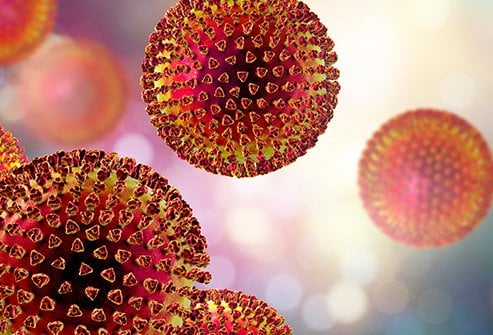
The Ghana Medical Association (GMA) says 14 Lassa Fever cases have so far been confirmed in the country.
Those affected include some doctors and other health workers exposed in their line of duty.
The GMA in a statement issued Wednesday, said while it acknowledges measures being put in place to trace their contacts and contain the virus from spreading further, it is also “facilitating the provision of psychological support to the colleagues confirmed with the disease,” and counselled the public to take precautionary measures.
“The virus spreads to humans through contact with food or household items contaminated with the urine or faeces of mice. It also spreads from one person to the other through direct contact with bodily fluids e.g. urine, blood, faeces or contaminated clothes and beddings of an infected person.
“This risk of spread among health professionals is high when infection prevention and control (IPC) protocols are not adhered to during the care of patients.”
Symptoms of Lassa Fever
Most people infected with the virus may present with mild symptoms or may be asymptomatic.
The early symptoms of Lassa fever are non-specific and usually includes fever, general malaise, weakness, and headache.
Other symptoms may include sore throat, muscle pain, chest pain, nausea, vomiting, diarrhoea, cough, and abdominal pain.
Severe cases may present with bleeding from the mouth, nose, vagina or stomach.
Treatment
According to the GMA, while no vaccine currently offers protection against Lassa Fever, Ribavirin offers good outcomes especially when given early along with other supportive management.
“The GMA is engaging the government to fast-track the mobilization of the drug to ensure its availability for the management of patients.”
Adherence to IPC protocols
The GMA advised its members to adhere strictly to IPC protocols especially regarding the use of PPEs at all times and ensure all other members of the care team do same, particularly in wearing of facemasks at all times at work, frequent hand washing or use of hand sanitisers, use of gloves and avoidance of contact with bodily fluids.
“Members are also urged to have a high index of suspicion for individuals presenting with the signs and symptoms outlined above.”
Latest Stories
-
Tema Central MP assaulted my driver – Ebi Bright alleges
15 minutes -
Gbande’s arrest directive confirms NPP’s claims of selective justice – Miracles Aboagye
27 minutes -
US to announce $150 million for Alaska power lines as Vance campaigns in Senate battleground
27 minutes -
Two CHPS compounds, educational facilities under construction in Keta – MP
30 minutes -
Not every difficult season means you’re in toxic love – Counsellor Adofoli explains
32 minutes -
Badminton: Ghana wins bronze, two silver medals at All Africa U-19 Champs
37 minutes -
Black Star Experience announces national choral music contest to discover new Ghanaian talent
48 minutes -
Melcom serves 1,000 meals to children in selected orphanage homes
49 minutes -
Miracles Aboagye questions Mustapha Gbande’s authority to direct EOCO arrest of Manhyia South MP
50 minutes -
My music is a true reflection of who I am – Nigerian singer Ladé
50 minutes -
Activa International Insurance Ghana reinforces culture of compliance and customer protection
56 minutes -
Mining must prove its impact, not just publicise it — Chamber of Mines
1 hour -
NDC disqualifies Dzifa Gunu from La Dadekotopon contest
1 hour -
Togbe Afede XIV opposes proposed 5-year presidential term
1 hour -
World Vision targets 90 percent universal WASH access in Asunafo North, Asutifi North
2 hours