

Audio By Carbonatix
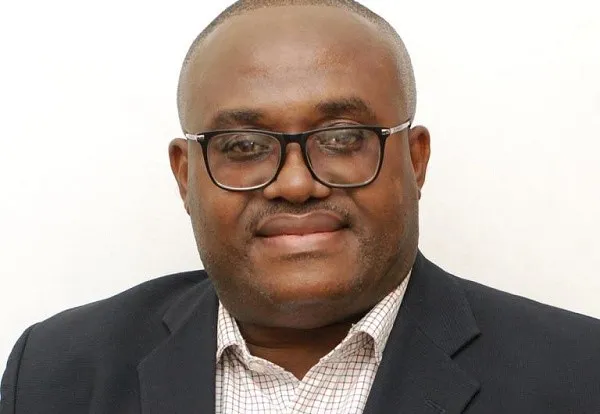
President of the Ghana Medical Association (GMA), Prof. Ernest Yorke, is calling for a comprehensive national emergency healthcare policy to address persistent challenges within Ghana’s health system, particularly the ongoing “no bed syndrome”.
Speaking on Joy FM’s Super Morning Show on Friday, May 8, Prof. Yorke said the country urgently needs a clear roadmap that outlines immediate, medium-term, and long-term interventions for emergency healthcare delivery.
“I am hoping to see a blueprint within the next few weeks or months showing the immediate, medium-term, and long-term steps that everybody is expected to follow,” he said.
Prof. Yorke said that the country must move beyond public outrage and focus on building a coordinated system capable of responding effectively to emergencies.
According to him, the Ghana Medical Association has already contributed proposals to the Professor Agyeman Badu Akosa Committee, which investigated issues surrounding the death of Charles Amissah, who was denied emergency healthcare.
“I appeared before the committee representing the association. I made an oral presentation and submitted written proposals identifying the problems, the solutions, and everything we believe ought to be done.”
The GMA President said the association remains ready to support government efforts aimed at reforming the sector.
“We stand ready to be called upon at any time, and we will respond favourably to contribute what we can to move the process forward,” he stated.
Prof. Yorke said that any meaningful reform must include a review of healthcare priorities, stronger collaboration with the private sector, and sustainable funding mechanisms for emergency care services.
“We need a policy, absolutely. We need to set our priorities right. We need to discuss how the private sector comes in, how funding mechanisms will work, and whether sanctions should apply where healthcare professionals turn patients away,” he said.
He also suggested that stronger legal and regulatory measures may be needed to ensure that patients in emergency situations are not denied care.
The GMA President said that the association’s position is not about defending individuals accused of wrongdoing, but rather about finding long-term solutions to the country’s healthcare challenges.
“You can clearly see that we are not being selfish. We are looking for a holistic solution, and we stand ready to partner with the Ministry and all relevant agencies to see this through,” he said.
Latest Stories
-
The Pusiga connection behind Gertrude Atongi’s work in New York
21 minutes -
NPA launches 2026 staff welfare week with focus on teamwork and employee wellbeing
26 minutes -
Ghana, Saint Kitts and Nevis sign labour deal to strengthen protections for Ghanaian nurses
32 minutes -
Delayed promotions put teachers’ retirement benefits at risk – GNAT
35 minutes -
No ‘Bawumia candidates’ in NPP executive elections – Anthony Karbo
36 minutes -
Over 3,000 displaced as flooding overwhelms Hohoe communities
41 minutes -
Sunyani East NPP executives begin reconciliation drive ahead of 2028 polls
46 minutes -
Agric Minister engages Ga Mantse on agriculture transformation agenda
51 minutes -
Aayalolo expansion targets private car users, not trotro operators – Mahama Ayariga
56 minutes -
KNUST, GMTF explore AI partnership to transform healthcare delivery
1 hour -
MTTD records 9,000 preventable crashes, over 900 deaths in eight months
1 hour -
UN Secretary-General expresses optimism about future, pledges support for Mahama, AU
1 hour -
Ghana’s desalination lesson: A water project must work on paper and at the tap
1 hour -
Bawumia calls for paradigm shift in Ghana’s healthcare policies after GMA engagement
2 hours -
77 aspirants pick NDC nomination forms in Sunyani West
2 hours