

Audio By Carbonatix
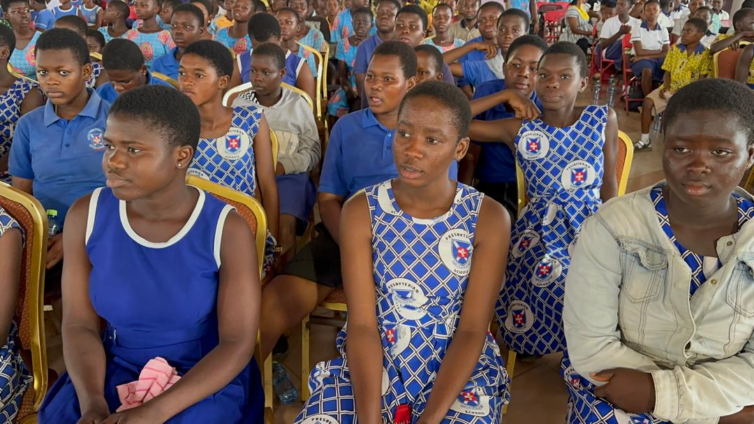
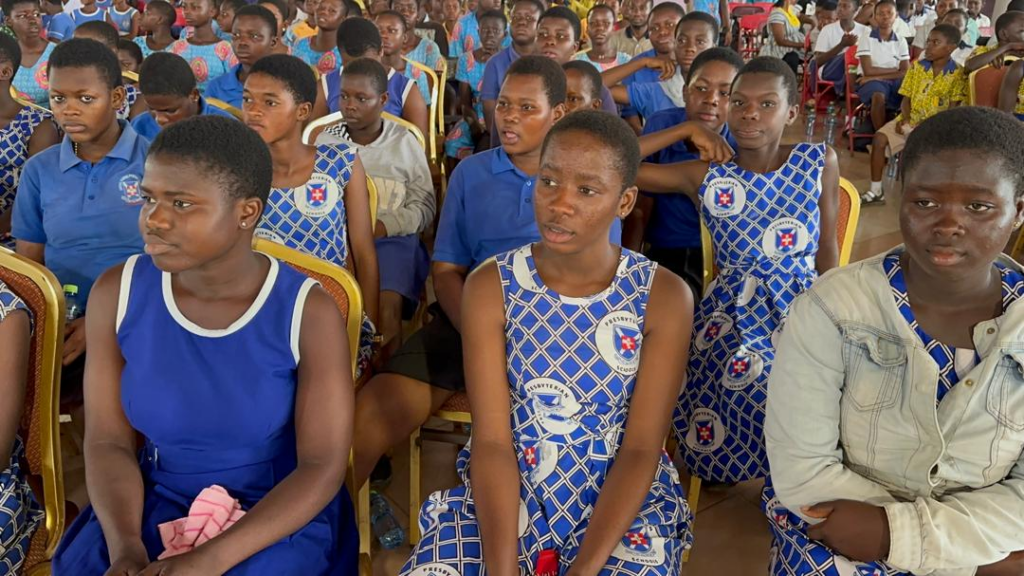
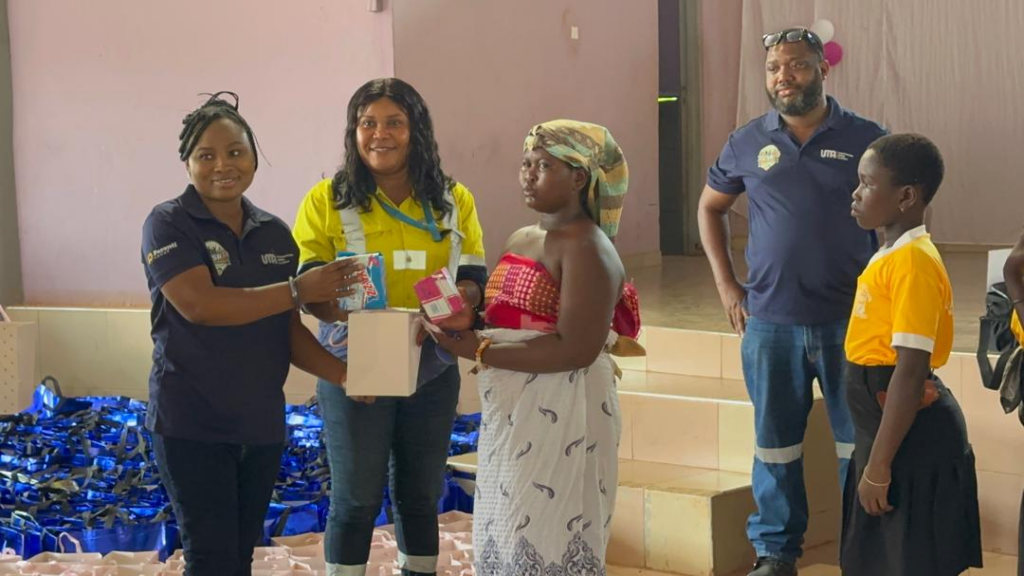
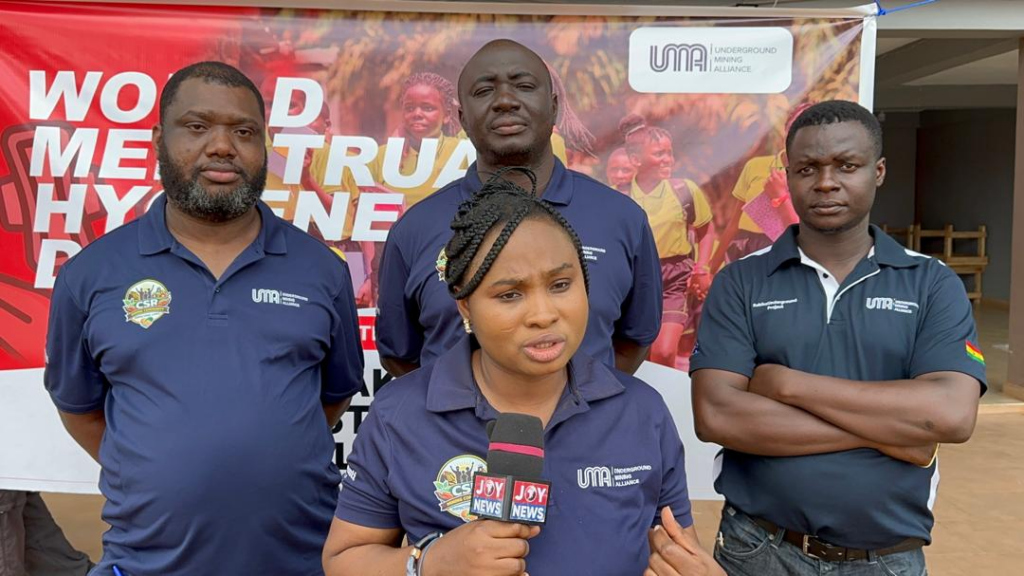
The Underground Mining Alliance (UMA), a subsidiary operating at the Newmont Ahafo Mines, in a demonstration of corporate social responsibility (CSR) and community empowerment, has marked World Menstrual Hygiene Day (MH Day) 2026 with a high-impact campaign in Kenyasi in the Asutifi North District.
Held on Thursday, May 28, under the theme “Making Menstruation a Normal Fact of Life,” the initiative delivered intensive health education and free sanitary products to basic school girls across the district.
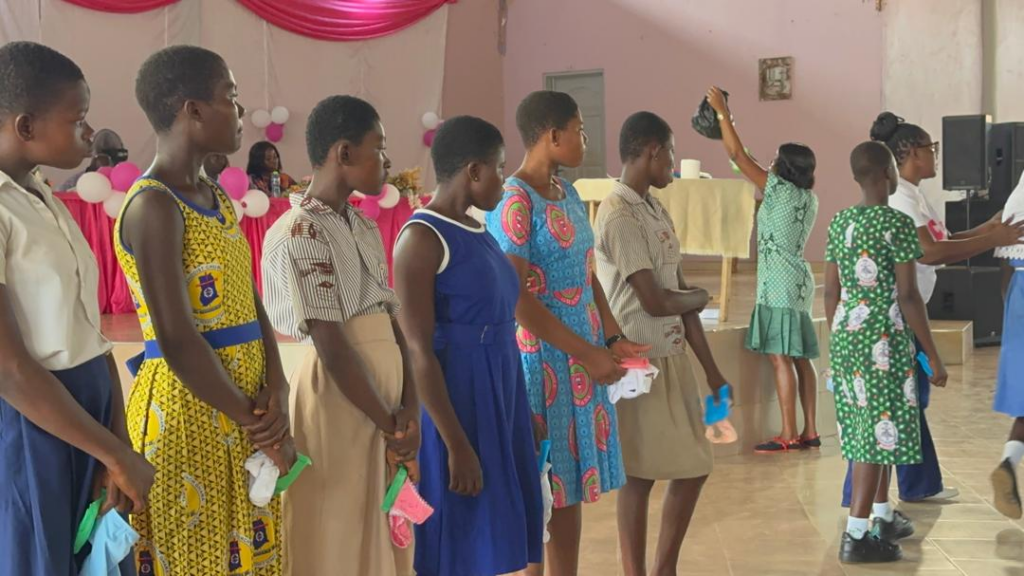
The event brought together a diverse group of stakeholders, community leaders, officials from the Ghana Health and Education Services, UMA staff, parents, teachers, journalists, and basic school students, notably including young boys, to foster an environment of shared empathy.
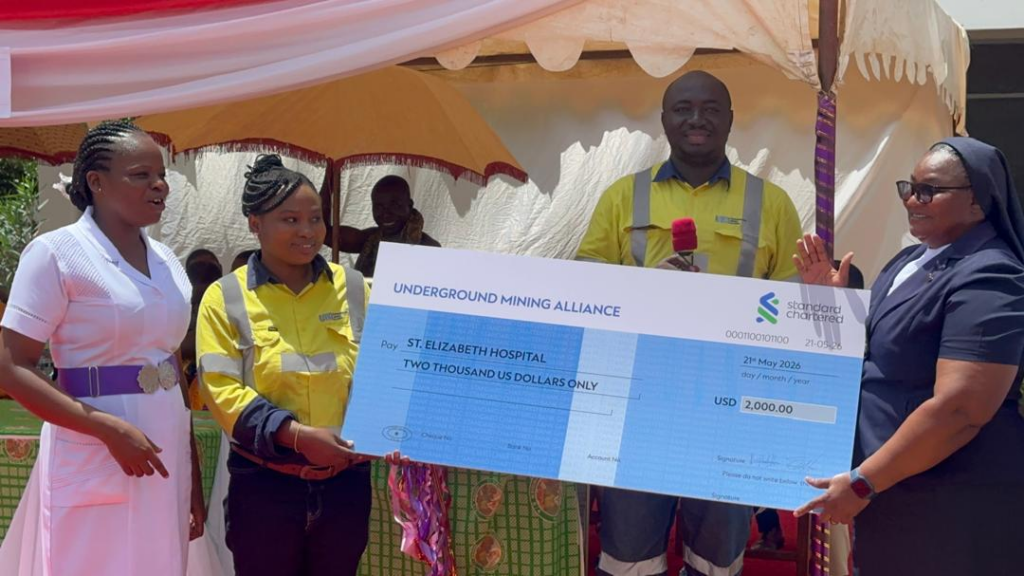
The Menstrual Hygiene Day event follows closely on the heels of another major healthcare intervention by UMA: a $2,000 financial donation to the St. Elizabeth Catholic Hospital at Hwediem in the Asutifi South District. The 70-year-old facility serves as the primary referral hospital for the Ahafo Region and four neighboring regions.
The hospital’s Manager, Sister Georgina Lawrencia Quayson, lauded UMA's timely contribution, noting that the funds will support the replacement of obsolete medical equipment and a massive expansion of the emergency ward, increasing its capacity from a restrictive 7-bed facility to a 30-bed unit.
Speaking at the MH Day celebration, Bertha Yeboah, UMA’s Human Resource Supervisor and CSR team lead, emphasized that the mining company’s core values extend far beyond financial sheets.
"Good health is wealth. UMA is not merely focused on profit margins and numbers; we prioritize the sustainable health and well-being of the people in our operational areas, particularly girls and women.
"Breaking the silence in everyday spaces, including schools, homes, markets, and lorry parks, is key to dismantling deep-seated stigma,” the CSR Team Lead stated.
Mrs. Yeboah added that menstruation is a natural biological cycle reflecting vitality, health, and fertility, and explicitly challenged boys and men to support their female peers rather than subjecting them to teasing or shaming.
Hannah Osam, a midwife at the Asutifi North District Hospital, urged the young girls to monitor their menstrual health closely and report any physical abnormalities to parents or teachers immediately.
She cautioned against using unprescribed painkillers or traditional concoctions for menstrual cramps, advising them to seek professional clinical help instead.
For beneficiary students like Mavis Awinsodi and Charlotte Ganyor, the combination of practical health education and free hygiene products provided an immediate boost to their self-esteem.
"This gesture allows us to attend school during our periods with confidence and dignity," they shared, expressing gratitude to UMA for alleviating a significant monthly burden.
UMA's local initiative directly addresses a global and national crisis. The scale of period poverty remains vast, as an estimated 800 million women and girls menstruate daily worldwide, yet over 500 million lack adequate facilities and basic products to manage their periods safely.
This creates a severe educational gap, with data from international organisations like WaterAid and UNICEF showing that nine out of ten girls in Ghana and 95 percent of schoolgirls in Kenya miss up to three days of school per month due to a lack of sanitary products and poor water, sanitation, and hygiene infrastructure.
Proper menstrual health and hygiene are not just a health issue but a critical developmental catalyst that directly advances several United Nations Sustainable Development Goals. It aligns closely with Goal 3 for Good Health and Well-Being by preventing reproductive infections caused by unhygienic alternatives.
It also supports Goal 4 for Quality Education by drastically reducing school absenteeism and ensuring girls finish their basic education, while advancing Goal 5 for Gender Equality by empowering girls to participate fully in economic and social life without shame.
Studies indicate that when mining companies invest in localised menstrual health initiatives, school dropout rates among adolescent girls in concession areas decrease significantly, while also mitigating the risks of reproductive tract infections in rural areas where modern healthcare infrastructure can be scarce.
By ensuring that the young women of Asutifi North have access to both corporate support and health education, UMA’s initiative serves as a progressive model for how extractive industries can foster sustainable human rights, dignity, and equality within their host communities.
Latest Stories
-
Global InfoAnalytics poll puts John Boadu, Justin Kodua and Titus Glover ahead in NPP executive race
59 minutes -
Ghana to establish skills development university with $50m from German support package
1 hour -
Baffour Awuah under EOCO investigation over alleged financial loss and money laundering – Deputy AG
1 hour -
How healthy is Ghana’s health sector?
1 hour -
HACSA Tech4Girls graduates 80 young women with digital and technology skills
1 hour -
Arrest of Manhyia South MP should involve Parliament, not police station – Kpebu
2 hours -
Two Nigerians sentenced to 189 months in US prison over $2.4m cyber fraud
2 hours -
Cristiano Ronaldo leaves Portugal’s training camp after rift with Head Coach
2 hours -
Ghana Energy Awards opens nominations for landmark 10th anniversary edition
2 hours -
Aayalolo contra-flow: Are we treating the symptom instead of the disease?
2 hours -
GTEC orders Colleges of Education to begin 2026/2027 admissions despite fees approval delay
2 hours -
Legal reforms must solve real problems, improve justice – Bagbin
2 hours -
Ofori-Sarpong named Alumni President of the Year, honoured for PRESEC dormitory project
3 hours -
Germany commits $132m to Ghana for skills development and training university – Pelpuo
3 hours -
‘Influence should go beyond visibility’ – Taadi Banyinba GH launches The TB Impact
3 hours