

Audio By Carbonatix
Stakeholders in the energy and transport sectors have met in Accra to explore how electric mobility powered by clean energy can improve healthcare delivery while helping Ghana tackle climate change.
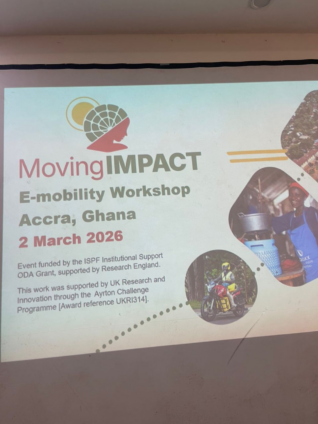
The inception workshop, organised by the Regional Centre for Energy and Environmental Sustainability at the University of Energy and Natural Resources in partnership with the MOVING IMPACT consortium, examined how solar-powered electric vehicles could support critical services such as health facilities, particularly in underserved communities.
The MOVING IMPACT project, funded by UK Research and Innovation, focuses on improving energy access across Sub-Saharan Africa by integrating renewable energy technologies with essential services. One key area under discussion is the use of flexible solar-powered charging systems to support electric mobility in sectors including healthcare and agriculture.
A lecturer in urban energy systems at the University of Leeds, Dr Sheridan Few, noted that reliable energy and transport systems are essential for effective healthcare delivery, especially in areas vulnerable to climate change.
“Access to reliable energy is closely linked to health outcomes. When health facilities have dependable power and transport systems, they are better able to deliver essential services, particularly in rural communities,” he said.
Project Manager at Imperial College London, Emma Fromant, explained that the initiative is also aimed at reducing emissions while strengthening essential services.
“We are looking at how clean energy solutions such as solar-powered charging infrastructure can support electric mobility in critical sectors like healthcare while also contributing to climate change mitigation,” she said.
Principal Investigator of the MOVING IMPACT project at Imperial College London, Adria Junyent-Ferré, highlighted the importance of integrating renewable energy into transport systems to make them more sustainable.
“By combining solar energy with electric mobility, we can reduce reliance on fossil fuels and create systems that are both environmentally sustainable and practical for essential services like health care,” he noted.
A lecturer at the University of Energy and Natural Resources, Dr Felix Amankwah Diawuo, stressed the potential benefits for Ghana’s health sector, particularly in rural areas where energy access remains a challenge.
“Integrating e-mobility with renewable energy systems can help improve access to health services, especially in remote areas where transportation and electricity remain unreliable,” he said.
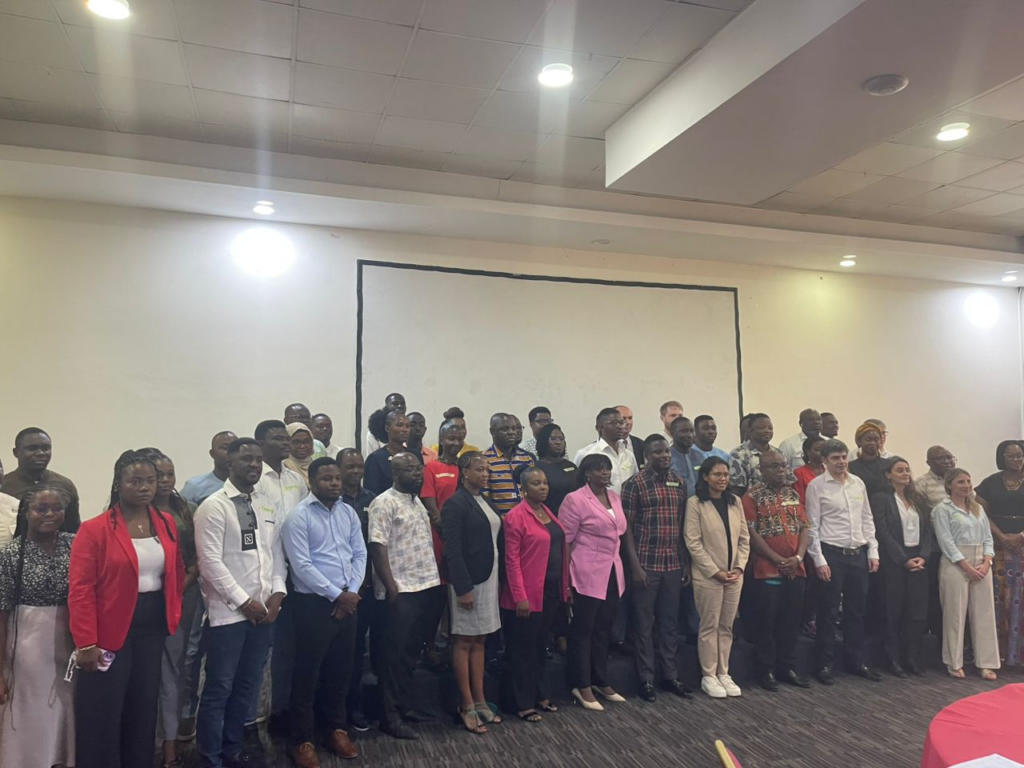
The workshop brought together researchers, policymakers, and industry stakeholders to examine policy frameworks, infrastructure needs, and business models required to support electric mobility in Ghana.
Participants also discussed how solar-powered charging stations located near health centres could improve emergency response and service delivery while reducing the carbon footprint of the health sector.
The MOVING IMPACT project is expected to provide recommendations to support the development of policies and investments that promote clean transport solutions while strengthening climate resilience in critical sectors such as healthcare.
Latest Stories
-
Power restoration fault suspected in Kumasi Central Market fire
40 minutes -
The 7-foot giant of Ngleshie Amanfro: Seven-foot Ghanaian Ephraim Saawa dreams of joining the national basketball team
1 hour -
Government promises support for Kumasi Central Market fire victims
1 hour -
Vibes The Movie: Big Ghun’s Ghanaian film earns five nominations at 2026 REFFA
2 hours -
MamaCare CEO warns unresolved conflicts among health workers could undermine maternal and neonatal care
2 hours -
Health professionals urged to translate medical knowledge into practice to save mothers
2 hours -
Conflicts among care providers linked to maternal, neonatal deaths – Expert
4 hours -
GIS marks 10th TIME conference, champions improved teaching practices
4 hours -
BRICS Or Balance? What Ghana’s bid really means
5 hours -
GPRTU wants full TRAFFITECH-GH implementation to start in 2027
5 hours -
Mahama announces plans to import electric wheelchairs for PWDs
5 hours -
KGL U17 Colts 2026: Western beat Prempeh Elite Academy to set up final final with Greater Accra Region
5 hours -
Late Solanke strike salvages 10-man Spurs draw at Man United
5 hours -
Gender Ministry to monitor welfare of Nana Akua Addo’s children amid domestic violence case
6 hours -
Benedict Okyere Yeboah: Ghana’s football problem goes beyond sacking a coach
6 hours