

Audio By Carbonatix
The Institute for Diversity and Inclusion in Emergency Management (I-DIEM) Africa has lauded President John Dramani Mahama’s announcement of a national ban on the importation and manufacturing of Styrofoam in Ghana.
The policy, declared on World Environment Day, celebrated globally on June 5, marks a crucial step in the country’s fight against environmental degradation and disaster vulnerability.
In his address, the president noted that Styrofoam would be replaced by more sustainable alternatives such as paper and aluminium packaging, signalling a shift toward environmentally responsible consumer practices.
Styrofoam, commonly noted with what we call the “takeaway box” in Ghana, has long posed serious environmental and public health threats.
Its non-biodegradable nature leads to the clogging of drains, worsens urban flooding, pollutes water bodies, and contributes to mounting sanitation challenges.
I-DIEM Africa considers the announcement of the ban not just timely, but a visionary move toward environmental justice and disaster risk reduction.
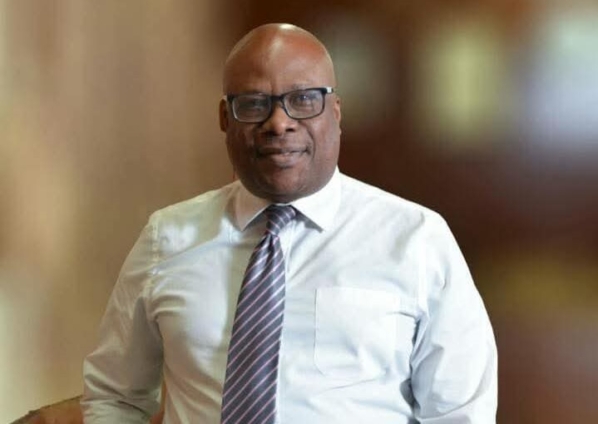
Mr. Ekow Rhule, Country Director of I-DIEM Africa, welcomed the decision, saying: “This is a powerful signal that Ghana is ready to confront the environmental risks that threaten its people and cities. The banning of Styrofoam would reflect a commitment to proactive disaster risk reduction, something I-DIEM Africa strongly advocates for. We are especially encouraged because this aligns directly with our mission to build resilience through equitable and inclusive emergency management policies.”
I-DIEM, headquartered in the United States, is dedicated to advancing equity, diversity, and inclusion across all phases of emergency management and disaster response. Its Africa office supports capacity building, community resilience, and policy advocacy that place vulnerable populations at the center of disaster preparedness and climate adaptation efforts.
Mr. Rhule noted that I-DIEM Africa stands ready to support this policy’s rollout by engaging communities, partnering with local governments, and encouraging innovative, eco-friendly packaging solutions.
“This ban is not just about removing Styrofoam; it’s about changing mindsets and building a culture of environmental responsibility. We are committed to helping drive that change.”
I-DIEM Africa plans to incorporate this milestone into its environmental risk campaigns and resilience education initiatives, especially among youth and informal sector groups.
The organisation also calls on other African governments to emulate Ghana’s example by implementing bold, preventive environmental measures to safeguard public health and reduce climate-related disasters.
“We cannot wait for disasters to strike before we act. Banning Styrofoam is a preventative measure, and we applaud Ghana for leading the way,” Mr. Rhule said.
Latest Stories
-
Education Ministry commends Ghanaian teachers on World Teachers’ Day 2026
16 minutes -
NPP can reconcile with aggrieved members who want to return – Nana Akomea
28 minutes -
Tamale Child Deaths: Vehicle owner arrested as IGP deploys homicide team
44 minutes -
From ShattaFest to MoMo Fest: Entertainment takes centre stage in youth engagement
50 minutes -
Nigerian military aircraft crashes, killing 32
55 minutes -
MTN encourages Ghanaians to use MoMo for saving, investing and financial planning
55 minutes -
Absa Bank Ghana names Stephen Ato Frimpong as Board Chair
1 hour -
Pickford ‘almost caused crash’ with careless driving
1 hour -
Author and former politician Jeffrey Archer dies aged 86
1 hour -
No education reform can succeed without teachers – Education Ministry
1 hour -
Gauff condemns racist abuse after China Open win
2 hours -
Medvedev disqualified for hitting spectator with ball
2 hours -
Oliseh scores twice in late comeback win for France
2 hours -
Pentagon stops using Anthropic AI tools after blacklisting company, BBC told
2 hours -
Ghanaian importers can now pay for Chinese goods using cedi-yuan transactions without dollars
2 hours