

Audio By Carbonatix
Data submitted to the World Organization for Animal Health (WOAH, founded as OIE) indicates, the usage of antimicrobial in animals has decreased by 27% between 2016 and 2018 across the world.
According to WOAH, similar progress has been made in the use of antibiotics to promote growth, and in approximately 70% of the reporting countries, the use of antibiotics to promote growth in healthy animals is no longer a practice.
In a world that is more globalized and connected than ever before, Dr. Monique Eloit, director general of the World Organization for Animal Health, says, "this is a positive step forward as it shows that a growing number of farmers, animal owners and animal health professionals worldwide are adapting their practices to use antimicrobials more prudently."
Dr. Eloit continues by saying that while these initiatives help safeguard human life, much more must be done to maintain human therapeutic choices and stop the spread of infectious diseases.
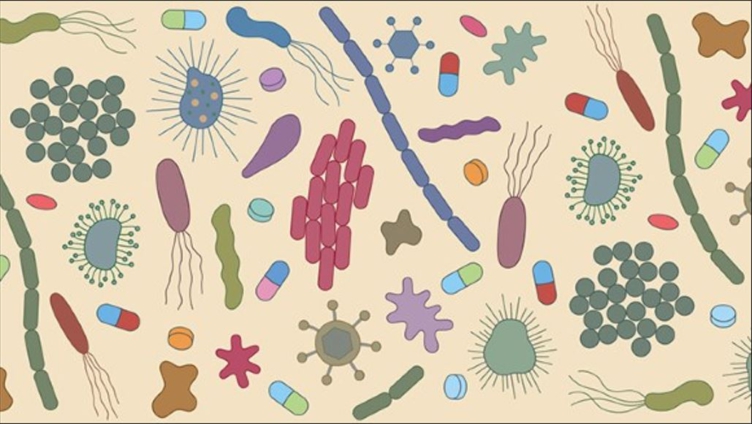
One of humanity's greatest triumphs, antibiotics and other antimicrobial medications cleared the door for better living circumstances for both people and animals. However, many of these life-saving medications are becoming less effective against a wide range of microorganisms. Scientists describe this phenomenon of less effectiveness of antibiotics against microbes as Antimicrobial resistance.
This is partially a natural process, but can be significantly sped up by the overuse or improper use of antibiotics, which puts pressure on bacteria to develop resistance features in order to survive and prosper.
According to scientists, These "superbugs" can then spread through soil, water, and air, infecting any living things along the way, regardless of species.
Experts have long expressed concern about the threat that antimicrobial resistance poses to future generations and the need to step up efforts to combat it.
According to a landmark study, titled, "Global burden of bacterial antimicrobial resistance in 2019: a systematic analysis," that was published in The Lancet, about 1.27 million people died in 2019 as a result of antibiotic drug-resistant bacteria.
According to WOAH, gathering and analyzing data on antimicrobial usage is essential to comprehending the complex and evolving growing risk. WOAH therefore started collecting data annually in 2015 in order to track changes in the animal health industry.
WOAH says Members have been consistently and progressively more involved in the endeavor, which has strengthened their ability to compile and offer more thorough information over time. About 160 countries took part in the most recent cycle of data gathering, and some of them also made their data available on national platforms. It is now the most complete collection of data on the usage of antibiotics in animals.
“As the proportion of pathogens resistant to antimicrobials rises, the efforts of the scientific community to accelerate the development of new antibiotics and drugs to tackle ‘superbugs’ should redouble”, said Dr Javier Yugueros-Marcos, Head of the Antimicrobial Resistance and Veterinary Products Department of the World Organisation for Animal Health.
According to him, nations should encourage the use of alternatives like vaccines and quick fixes like hand-washing with soap and water and changing out of dirty clothes and boots before handling or treating animals. They should also increase the use of alternatives like vaccines.
WOAH is more concerned with having access to solid and trustworthy data since it enables decision-makers to pinpoint precisely where local action is most urgently needed, supporting the global response to antimicrobial resistance.
“We are on the right track in the animal sector – we must now seize this momentum and continue to use antimicrobials prudently if we want to preserve their efficacy for future generations," Dr Eloit warns.
Latest Stories
-
Ghana, UNICEF strengthen partnership to advance child protection
2 minutes -
Day Two of 3rd Republic Bank-JoyNews Habitat Fair ends with great homeownership offers and financing solutions
6 minutes -
Guinness Ghana DJ Awards 2026 Pub Fest celebrates Ghana’s DJ culture as Accra turns up the energy
24 minutes -
10th woman found dead in South Africa’s string of killings
24 minutes -
French Embassy trains Ghana Police CTU in counter-terrorism operations
55 minutes -
UPSA uncovers mass results manipulation involving 178 students, over 500 results compromised
1 hour -
ECG announces planned power outages in parts of Tema from Sept. 29 to October 1
2 hours -
Sylvester Mensah urges Latenu FM to promote trade, export opportunities in Ga
2 hours -
Ga language under threat of decline as children shy away from speaking it – Sylvester Mensah
2 hours -
‘Let every Ga child you raise know the Ga language and story’ – Sylvester Mensah
2 hours -
‘We are not deterred’ – Ablakwa responds to backlash over South Africa evacuation
2 hours -
Day Two: Republic Bank-JoyNews Habitat Fair gains momentum at Junction Mall
3 hours -
NCA announces major voice and data disruption across Northern Ghana due to fibre cuts
3 hours -
Photos: Housing solutions take centre stage at Day 2 of the 3rd Republic Bank-JoyNews Habitat Fair
4 hours -
Nana Agyei Baffour Awuah denies GHS2.2m legal fee payment allegation
4 hours