

Audio By Carbonatix
Pharmacists in the Volta and Oti Regions are raising concerns over what they describe as an increasingly unbearable workload in public health facilities, calling on the government to urgently recruit more professionals and provide incentives to retain staff in underserved areas.
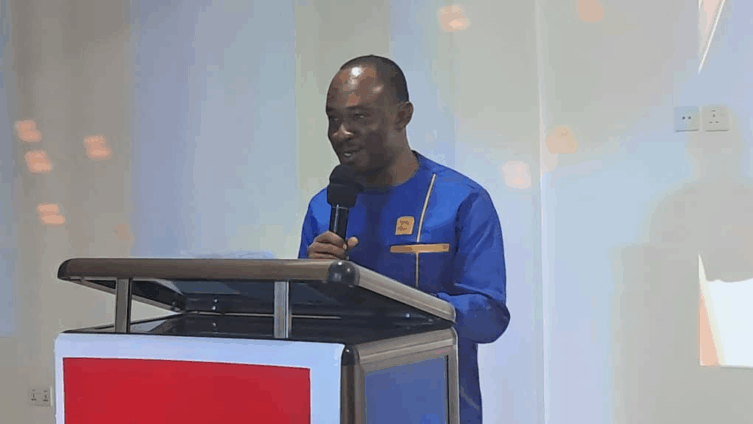
The appeal was made by the Chairman of the Volta and Oti Chapters of the Pharmaceutical Society of Ghana (PSGH), Dr Pharm. Courage Ketor, during the Society’s maiden Dinner and Awards Night held in Ho.
Dr. Ketor warned that the limited number of pharmacists currently serving across hospitals and health centres is stretching the system to its limits, resulting in persistent congestion at hospital pharmacies and outpatient departments.
He explained that the pressure on existing personnel is not only affecting efficiency but also compromising patient experience, as long waiting times have become a common feature in many facilities.
“Our facilities are overstretched. You go to the OPD or the pharmacy, and the queues are overwhelming because there are simply not enough pharmacists to attend to patients,” he said, adding that immediate recruitment clearance from the government would significantly ease the situation.
While reiterating the commitment of pharmacists to serve wherever they are posted, Dr. Ketor acknowledged the personal and professional sacrifices that come with postings to rural and deprived communities, especially for young professionals fresh out of training.
He encouraged newly qualified pharmacists to accept postings to underserved areas, assuring them of guidance and support from senior colleagues already working in those communities.
“We have served in similar conditions before, and we are ready to welcome and mentor those who are posted. Their contribution will not go unnoticed,” he noted.
However, Dr. Ketor stressed that goodwill alone is no longer enough to sustain service delivery in remote areas. He urged the government to back its policies with concrete incentives, including rural and deprived area allowances, accommodation support, and other basic benefits.
According to him, the absence of these incentives makes rural postings unattractive, particularly after the long years of academic training and internship required to qualify as a pharmacist.
“Young pharmacists invest years into their education. When they are posted to deprived areas without any additional support, it becomes difficult for them to settle and stay. If the government truly wants healthcare professionals in these areas, it must make those postings worthwhile,” he said.

As part of longer-term solutions, Dr. Ketor proposed the introduction of temporary stipends for pharmacists in their early years of service, describing it as a practical measure that would help retain staff and strengthen pharmaceutical care in underserved communities.
The Dinner and Awards Night marked the first of its kind for the Volta and Oti PSGH chapters, bringing together pharmacists and key stakeholders to celebrate professional excellence, reflect on sector challenges, and renew calls for stronger support for pharmaceutical service delivery in the regions.
Latest Stories
-
Ga Adangbe traditional priests petition Mahama over McDan aviation licence revocation
11 minutes -
Anti-LGBTQ Bill: NDC’s arrogance is worrying – Hassan Tampuli
21 minutes -
Let’s give OSP time to mature, not to scrap it – Hassan Tampuli
25 minutes -
Nigeria convicts 386 Islamist militants in mass trials
30 minutes -
Djibouti president wins election with 97.8% of vote, state media says
35 minutes -
We don’t have mandate to deduct tax from rent allowance of security services personnel – Interior Ministry clarifies
49 minutes -
Ablakwa receives Presidential Special Envoy on Reparations to advance global agenda
1 hour -
Christina Koch becomes first woman to travel around the moon on Artemis II
1 hour -
Epstein survivors’ calls to meet King Charles and Queen harder to ignore as US visit approaches
1 hour -
UN Secretary-General names Ghana’s Anita Kiki Gbeho as South Sudan envoy
1 hour -
Mali withdraws recognition of Sahrawi Republic, backs Morocco’s autonomy plan
1 hour -
Gov’t distributes over 8,500 laptops to One Million Coders project
2 hours -
Julius Debrah, ‘man to beat’ as NDC’s James Agbey dismisses Musah Dankwah’s polls
2 hours -
GPRTU in Savannah Region to protest alleged eviction in Damongo
2 hours -
Re: Reinsurance does not replace process — A response to the SIGA–SIC defence
2 hours