

Audio By Carbonatix
Traditional authorities, local government officials and security agencies from Ghana's Wa West District and the Commune of Batié in Burkina Faso have reaffirmed their commitment to transforming their shared border into a corridor of economic integration, peace and sustainable development.
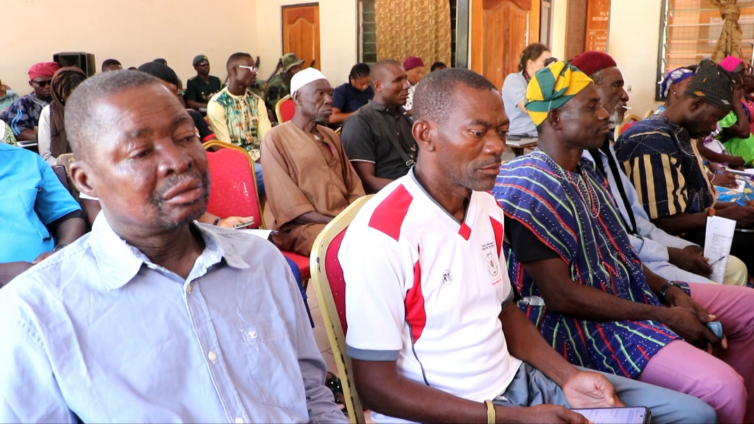
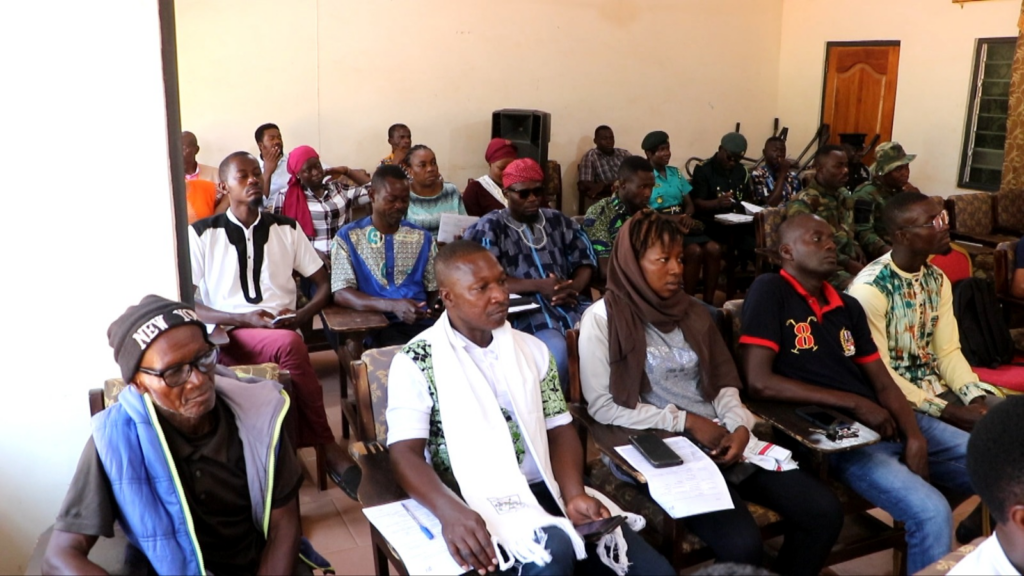
The commitment was made during a bilateral stakeholder engagement held in Wechiau under the SKBoWa project, an initiative implemented by the German development agency, aimed at promoting peace, security and social cohesion in border communities.
Speaking on behalf of the Chief of Wechiau, Naa Imoru Nandong Gomah II, Razack Yamusah Abdulai Issahaku described national borders as artificial divisions that should not undermine the long-standing cultural and family ties between communities on both sides of the frontier.
He noted that the Black Volta River serves both populations and should be regarded as a shared resource rather than a dividing line.
Drawing a comparison with the nearby , Mr Issahaku said wildlife moves freely across borders without regard for national boundaries.
"Hippos do not carry passports, elephants do not stop at border posts," he remarked. "If animals can share one ecosystem, why should humans fight over one land?"
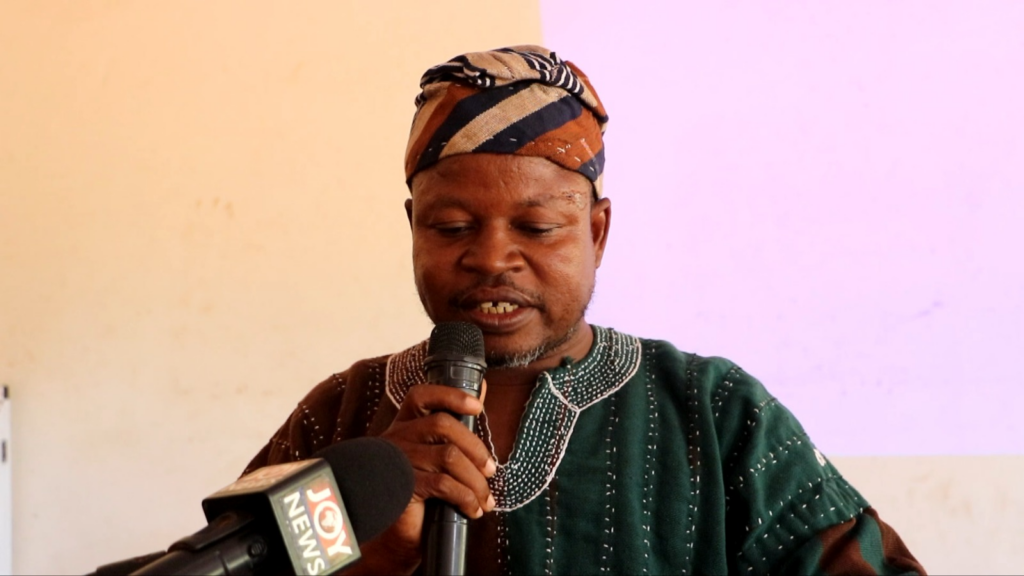
He urged security agencies in both countries to strengthen intelligence sharing and cooperation, arguing that collaboration was more effective in maintaining peace than reliance on armed enforcement alone.
Wa West District Chief Executive Richard Wulo described relations between Wa West and Batié as being founded on shared history, family connections and trade.
Against the backdrop of growing insecurity and violent extremism in parts of West Africa, Mr Wulo called for stronger unity among border communities.
He highlighted three key pillars of the SKBoWa project: inclusive dialogue, community micro-projects and a Soccer for Peace tournament aimed at fostering social cohesion and youth engagement.
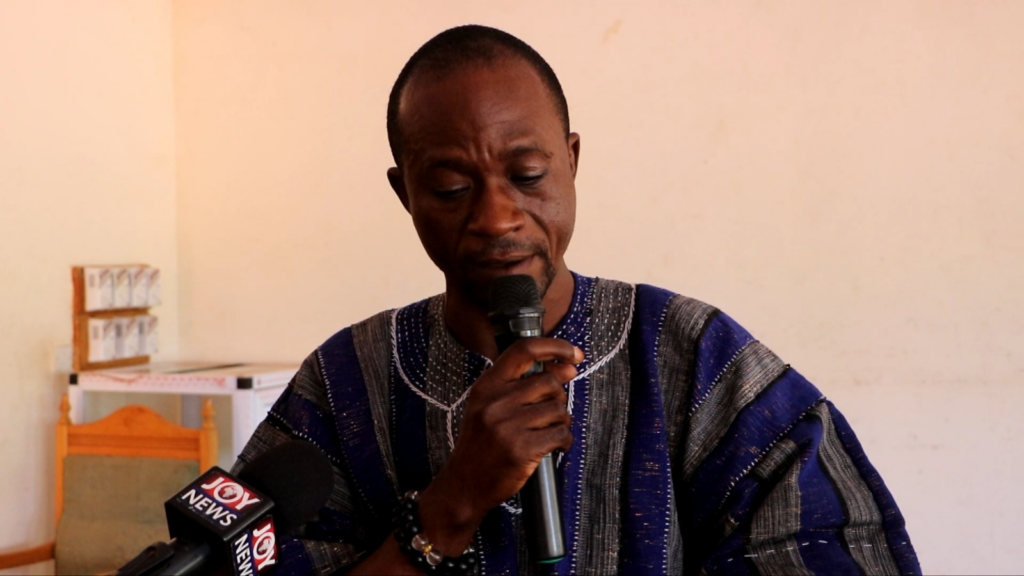
The Chief of Batié, Dah Sanhoulo, also stressed the importance of cooperation between the two communities. He noted that despite the Black Volta River being at full capacity, the Burkinabe delegation had crossed the river to attend the forum, demonstrating its commitment to the peace initiative.
He called for regular joint border patrols and improved communication channels between Ghanaian and Burkinabe security agencies to enable the swift resolution of localised disputes before they escalate.
Mr Sanhoulo further urged local government authorities to assign defined development responsibilities to traditional leaders, arguing that their influence could be harnessed more effectively in promoting peace and development.
Participants at the forum broadly agreed on the need to share social infrastructure and resources across the border.
Mr Issahaku advocated unrestricted access to essential services such as healthcare, education and agriculture, regardless of nationality.
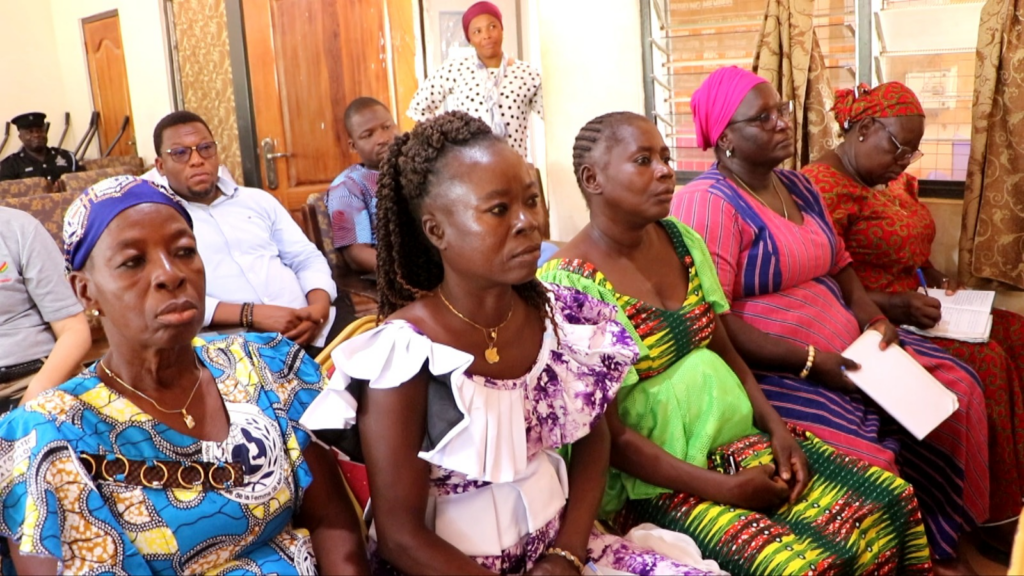
"If a clinic is full in Wechiau, Batié mothers should enter. If Batié has seeds that survive drought, Wechiau farmers should plant them," he said, adding that effective border management should focus on maximising shared opportunities.
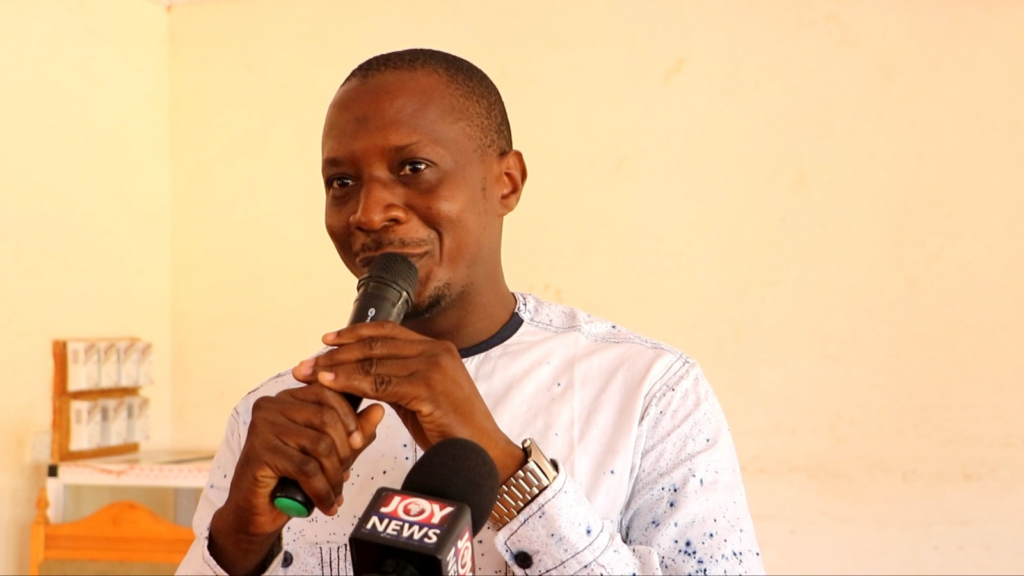
GIZ SKBoWa Project Components Manager, Dorcas Affi, reiterated that the project's central objective is to strengthen friendship, cooperation and peaceful coexistence among border communities.
She noted that dialogue and joint activities, including recent cross-border football tournaments, remain important tools for conflict prevention, youth participation and long-term regional stability.
To translate discussions into practical actions, participants were divided into three working groups tasked with identifying challenges, proposing collaborative interventions and developing recommendations for implementation.
The groups focused on promoting social cohesion between Wa West and Batié, addressing border harassment through enhanced cross-border cooperation, and strengthening local economic development.
Resolutions emerging from the discussions are expected to provide a framework for the next phase of development, security cooperation and community integration between the two neighbouring districts.
Latest Stories
-
Ghana explores centre of excellence for hearing, communication and cochlear implant care
40 minutes -
Schizophrenia-related disorders lead mental health cases recorded in Ghana
1 hour -
Dutch authorities enlist Ghana in hunt for fugitive drug lord Bolle Jos
1 hour -
Ghana housing finance conference adopts communiqué to improve affordable housing access
6 hours -
Special Initiatives Minister urges Wa Technical Institute to enrol more girls as EU-backed solar training lab opens
6 hours -
In the matter of my first year at the Bar
6 hours -
ActionAid Ghana calls for an end to child marriage, greater investment in girls’ rights
7 hours -
Newsfile to tackle World Cup visa scandal, beach demolitions, education strikes, BRICS bid
7 hours -
UK-Ghana Trade & Investment Summit: Trade Resource Centre to help businesses maximise UK-Ghana trade opportunities
7 hours -
Embassy of Denmark celebrates World Maritime Day
7 hours -
Linking LEAP to productive inclusion could cut extreme poverty by 2030 – UNICEF
8 hours -
Trade Ministry backs use of creative arts to rehabilitate prison inmates
8 hours -
Negotiations with government to continue despite strike suspension – GNAT
9 hours -
‘Ghana cannot afford to waste public resources; every cedi has a job’ – Ato Forson
9 hours -
Ghana expects economic boost as World Assemblies of God Congress brings 10,000 delegates to Accra
9 hours