

Audio By Carbonatix
Think of Ghana's rivers and wetlands as the nation's secret lovers: vital, life-giving, often taken for granted, and now vanishing before our eyes.
The seductive flow that once quenched cities and cradled ecosystems is fading, choked by climate change, greed, and neglect. As Ghana sweats under an unrelenting sun and whispers circulate about another dry season looming, a critical question simmers: Are our cities ready for a future where water is the most coveted lover of all?
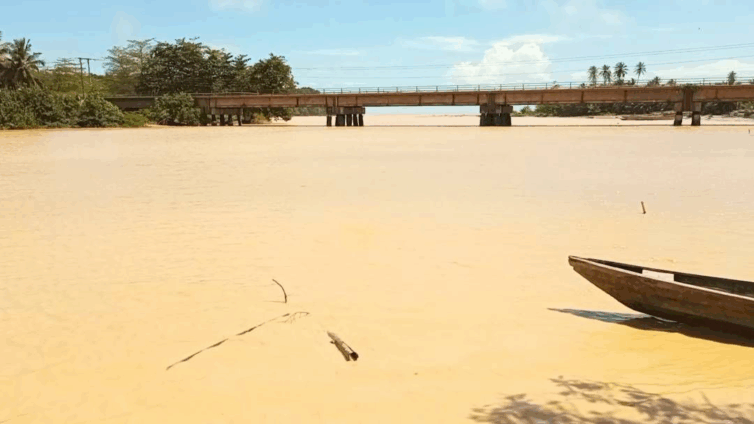
The evidence is stark, flowing far beyond mere anecdote. Rivers that once roared are now timid trickles. Iconic wetlands, nature's sponges and water filters, are shrinking, paved over or poisoned. Researchers point to an alarming new phenomenon: "extinct rivers."
Streams like the once-perennial Kawir River in the Tarkwa Nsuaem municipality, or countless smaller tributaries across Ashanti, Western, and Eastern regions, exist now only in memory and old maps, buried under concrete or suffocated by silt from unchecked erosion.
The Climate Squeeze:
Ghana's Updated Nationally Determined Contribution (NDC) under the Paris Agreement (2020-2030) lays bare the threat. It identifies water resources as critically vulnerable to climate change, predicting intensified droughts, erratic rainfall, and rising temperatures.
These changes directly threaten the recharge of rivers and aquifers cities desperately rely on. The NDC ambitiously targets a 10% reduction in greenhouse gas emissions by 2030 and significant adaptation, but the water clock is ticking faster.
"Climate change isn't just about hotter days; it's about disrupting the entire hydrological cycle," explains Dr. Millicent Kwaw, a post-doctoral researcher at the Institute of Environment and Sanitation Studies, University of Ghana, whose focus is on climate change and health.
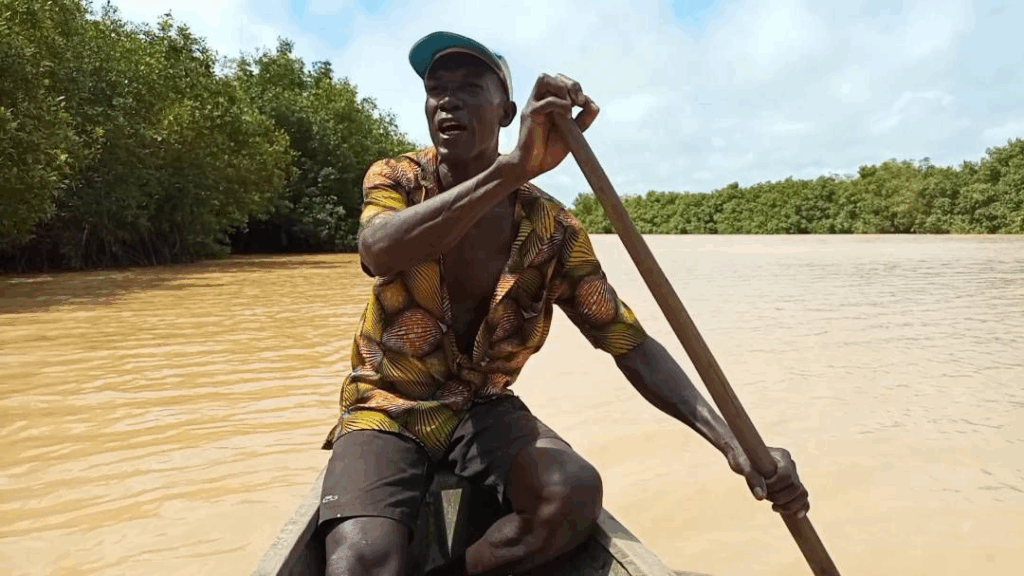
"Longer dry spells mean less water feeding our rivers and replenishing groundwater. When the rains do come, they are often intense, causing floods that carry topsoil and pollutants straight into our remaining waterways, further degrading them. Our cities are caught between scarcity and deluge."
The Galamsey Guillotine:
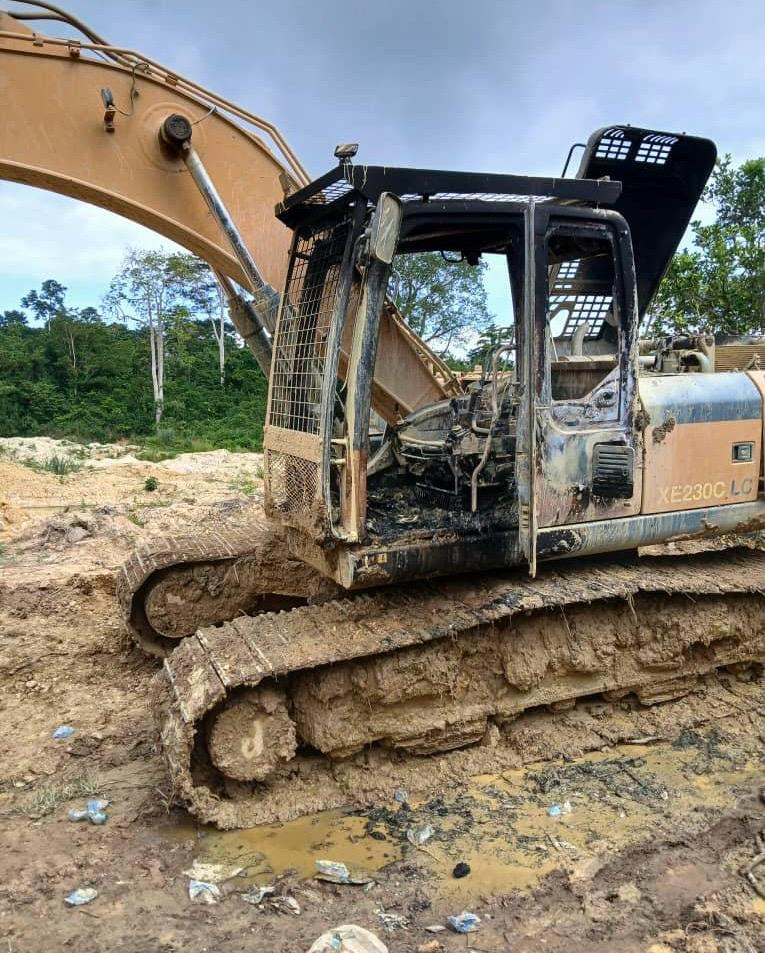
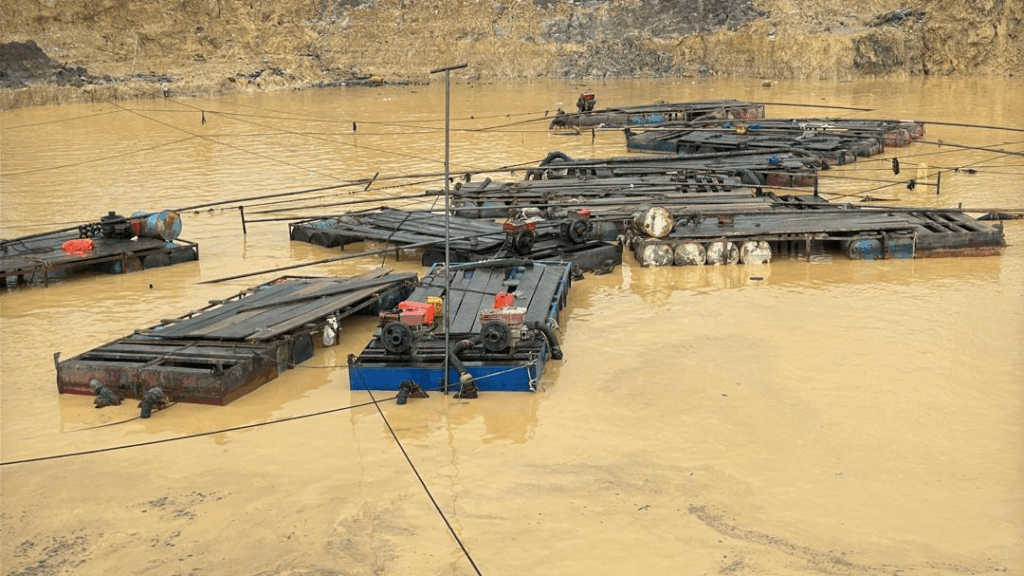
Compounding the climate crisis is the relentless assault of illegal mining – galamsey. This isn’t just about lost gold; it’s about murdered watersheds. Excavators rip through riverbanks and forest buffers. Mercury and cyanide poison the water.
Silt, thick as gruel, smothers riverbeds, destroying habitats and drastically reducing water storage capacity. Researchers point to rivers like the Pra, Ankobra, and Offin as tragic case studies.
"The impact of galamsey on river systems is catastrophic and often irreversible on human timescales," states Dr. Solomon Owusu Ansah, a Mining Engineering and Mineral Economics Consultant. "We're not just talking about dirty water; we're talking about fundamentally altering river morphology, destroying the natural infrastructure that regulates flow and filters water. These rivers are becoming sterile channels of mud. The extinction of smaller streams is directly linked to upstream deforestation and mining activities that destroy their headwaters."
The Urban Blind Spot?
Meanwhile, Ghana's cities swell, demanding more water while often treating their natural water assets – wetlands and river corridors – as waste dumps or land banks for development. Wetlands in urban peripheries, crucial for flood absorption and groundwater recharge, are disappearing under housing and industry.
"The National Adaptation Plan (NAP) Framework rightly prioritizes ecosystem-based adaptation, specifically highlighting wetland restoration and protection as key strategies for urban resilience," notes Dr. Millicent Kwaw. "But translating this framework into enforceable local plans and changing the mindset that sees wetlands as 'waste lands' is the real battle. Cities are engines of growth, but without water security, that engine seizes."
Is There Hope in the Flow?
The NDC and NAP Framework offer a roadmap. Key actions include:
- Strengthening Water Resource Management: Implementing integrated approaches as outlined in the NDC.
- Ecosystem Restoration: Prioritizing wetland and riparian buffer zone rehabilitation (a core NAP strategy).
- Cracking Down on Galamsey: Enforcing mining laws and promoting sustainable alternative livelihoods – essential for protecting water sources.
- Urban Water Sensitive Design: Mandating rainwater harvesting, greywater reuse, and protecting urban green-blue infrastructure (wetlands, parks along rivers).
Projects like the ongoing restoration of the Sakumono Ramsar site near Tema and efforts to protect the Densu Delta wetlands demonstrate commitment. Community-led initiatives reviving small urban streams are also emerging.
The Bottom Line:
The future of water in Ghana’s cities is not a distant abstraction; it’s written in the drying beds of once-great rivers, the ghostly silence of extinct streams like the Kawir, and the shrinking embrace of vital wetlands. Ghana’s climate pledges recognize the crisis and propose solutions.
But the urgency demanded by researchers – to curb galamsey’s devastation, rigorously implement the NAP’s ecosystem protections, and fundamentally revalue urban water landscapes – must translate into relentless, visible action. Our cities' vitality, economy, and very habitability depend on winning back the love of our most essential resource before its whisper fades into silence forever.
This article is written as part of a collaborative project between JoyNews, CDKN Ghana, and the Centre for Climate Change and Sustainability at the University of Ghana, with funding from the CLARE R41 Opportunities Fund.
Latest Stories
-
Ghana ranked joint 6th in 2026 Absa Africa Financial Markets Index
1 hour -
Demand and savings deposits decreased in August 2026, but currency outside banks increased by 4%
2 hours -
Fiscal policy implementation poses downside risk to inflation – BoG
2 hours -
Organised Labour should seek fair adjustment, not excessive pay rise – Labour consultant
2 hours -
BoG maintains medium-term inflation target of 8 ± 2%
3 hours -
Sammi Awuku urges NPP Germany to unite ahead of 2028 elections
3 hours -
The Inconvenient Truth: We cannot pray for the cure while protecting the disease
4 hours -
MTN Ghana trains civil society organisations on artificial intelligence
4 hours -
GoldBod FX framework aims to make dollar supply predictable – Theo Acheampong
5 hours -
How does a Ghanaian team make it to the BAL?
5 hours -
Ghana’s investment climate presents opportunities for industrial growth and job creation.
5 hours -
‘I paid thousands to a company for jobs that never came’
5 hours -
SSNIT intensifies informal sector enrolment drive with Techiman float
6 hours -
Ghana seeks long-term mining investments that benefit local communities – Armah-Kofi Buah
6 hours -
GHATOF demands compensation for 85 businesses affected by La Pleasure Beach demolition
6 hours