

Audio By Carbonatix
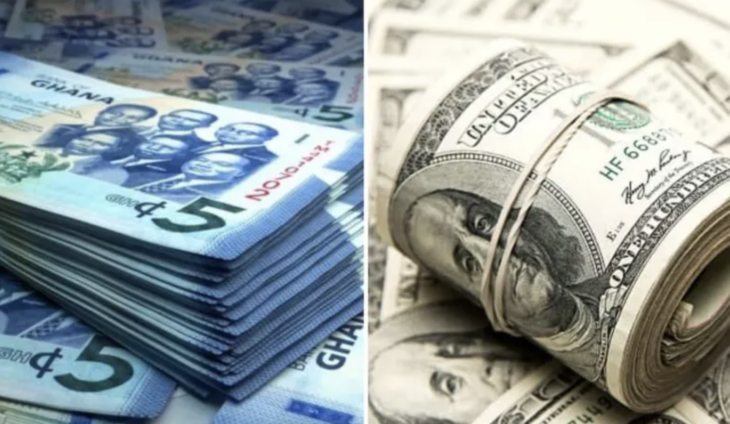
In just about a month, the Ghanaian cedi has appreciated by nearly 20% against the US dollar — a rare and significant swing in currency markets. But what does this mean for everyday consumers? Here’s how this stronger cedi is playing out in your pocket:
Imported Goods Are (Finally) Getting Cheaper
Electronics, furniture, appliances, and fuel are all priced in dollars. With a stronger cedi, these now cost less in local terms. Some retailers have already slashed prices — think 10–15% off household goods — and fuel prices have dropped by up to 8%. That means relief at the pump and in stores.
Inflation Eases — But Not Everywhere
The cedi rally is helping cool inflation, especially on imported items. Inflation has fallen to about 21%, down from over 23% a few months ago. But local food prices? Still high. So while the cedi’s rise is helping, the full cost-of-living relief is uneven for now.
But Prices Aren’t Falling as Fast as Expected
Despite the cedi’s strong rebound, many consumers are frustrated that prices in shops and markets have not dropped significantly.
Traders often point to old stock bought at higher exchange rates or hold off on reductions, unsure how long the stronger cedi will last. So while importers are paying less, these savings are not always passed on quickly, and that’s slowing the relief consumers hoped for.
Your Cedi Goes Further
With the stronger currency, your income can buy more. A phone or laptop that used to cost GHS 7,500 may now go for GHS 6,000. That’s real purchasing power — especially for those saving for imported items, paying for school abroad, or budgeting for travel.
But Dollar Earners May Be Losing
If you earn in US dollars — whether through remittances, exports, or freelance income — the cedi’s strength can hurt. Your dollar income now converts into fewer cedis. And since prices on the ground aren’t falling as fast as the dollar’s decline, your real purchasing power is shrinking. You’re essentially caught between a stronger cedi and sticky prices.
Bottom line: A stronger cedi brings real benefits for consumers — cheaper imports, slower inflation, better purchasing power. But unfortunately, prices are not falling as quickly as expected.
Traders are cautious, and local goods are slow to respond. It may take months for households to fully feel the gains if the cedi remains strong. Will it?
Latest Stories
-
Premier League deletes Vicario social media post
16 minutes -
Real Madrid beaten at home by Getafe for second successive loss
25 minutes -
‘Clubs refused to look at me after my crash’ – Antonio on Qatar move
36 minutes -
Mayweather to fight kickboxer before Pacquiao rematch
46 minutes -
India and Canada reset ties with ‘landmark’ nuclear energy deal
55 minutes -
Mahama should equally credit NPP for economic stability – Economist
58 minutes -
Mbappe has knee sprain with no surgery planned
1 hour -
Interior Ministry releases funds to settle 2025 rent allowance arrears for security services
2 hours -
Ghana evacuates diplomatic staff from Iran; embassy shut indefinitely — Ablakwa
2 hours -
France to boost nuclear arsenal and extend deterrence to European allies
2 hours -
Chinese community in Ghana marks ‘Year of the Horse’ with grand new year festival
2 hours -
When regional instability becomes national risk: Ghanaian tomato traders killings
2 hours -
Photos: President Mahama meets Tanzania President Suluhu Hassan
3 hours -
Mahama calls for cessation of Iran-US-Israel conflict, urging return to dialogue
3 hours -
Fuel prices could rise if Middle East conflict escalates – ACEP Boss
3 hours