

Audio By Carbonatix
The Ghana Journalists for Environment, Science, Health and Agriculture (GJESHA) has marked this year’s World Environment Day with a powerful call for enhanced media engagement and decisive national action to end plastic pollution in Ghana.
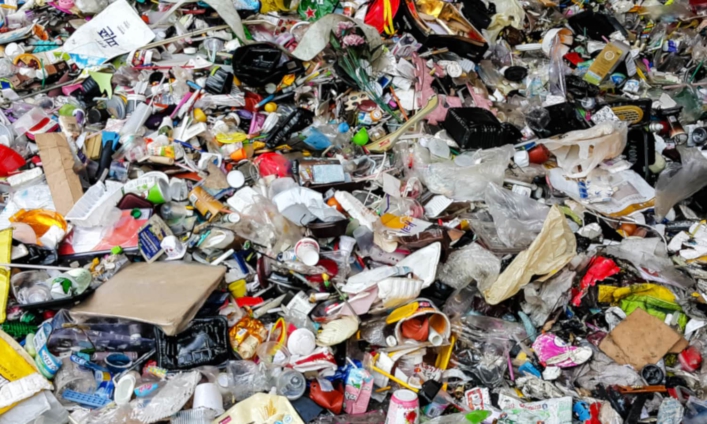
In a statement issued from its secretariat in Kumasi, GJESHA aligned with the global theme “Putting an End to Plastic Pollution” by highlighting the scale of Ghana’s plastic waste crisis and the urgent need for sustained public education, accountability, and policy enforcement.
“From clogged drains and polluted rivers to contaminated coastlines and farmlands, plastic pollution is crippling our environment and endangering lives,” the statement read. “Despite existing policies and pilot interventions, enforcement remains weak and awareness levels are still far too low, it added.
The group described the growing plastic menace in Ghana as a national emergency, with dire consequences for public health, agriculture, fisheries, sanitation, and tourism.
It warned that without bold, coordinated action, the country’s ecosystems, food systems, and communities would continue to suffer.
In light of the above, GJESHA placed strong emphasis on the role of the media in addressing the crisis, urging journalists to go beyond surface-level coverage and actively investigate, expose, and educate.
It outlined five key responsibilities for media practitioners:
- Report on the environmental and human impact of plastic waste;
- Investigate plastic supply chains and industry practices;
- Highlight successful community-led waste solutions;
- Promote behavioural change through public education;
- Demand accountability from both government and the private sector.
“The media must not only inform but also influence change. Our voices are critical in shaping public opinion, pressuring policymakers, and amplifying local solutions,” GJESHA noted.
The organisation also urged the government to:
- Enforce existing plastic bans and related legislation;
- Introduce incentives for businesses embracing the circular economy;
- Implement the polluter-pays principle to hold manufacturers responsible;
- Improve investment in waste collection and recycling infrastructure nationwide.
GJESHA further called on all stakeholders—including civil society, academia, traditional authorities, and private sector actors—to collaborate in creating a more sustainable Ghana. It also appealed for greater access to environmental data, scientific expertise, and media platforms to support in-depth reporting.
“As journalists, we are committed to supporting national and global efforts to end plastic pollution. But we cannot do it alone. This World Environment Day must mark a turning point—where bold policy meets bold journalism in the fight for a cleaner, healthier future.”
Latest Stories
-
Tyson Fury dominates Makhmudov, calls out Joshua next
4 minutes -
I have supported highway authority financially to fix roads in my constituency – A Plus
1 hour -
US, Iran fail to reach peace agreement after marathon talks in Pakistan
2 hours -
ECG kicks off Phase Two of transformer upgrades at Lashibi; brief outages expected
2 hours -
Port crises loom as 11,000 drivers threaten four-day strike
3 hours -
A source of excellence across generations – Vice President Opoku-Agyemang lauds Mfantsipim
4 hours -
(Photos) Mfantsipim School launches historic 150th anniversary
4 hours -
Knights and Ladies of Marshall group backs Catholic Bishops’ stance on anti-LGBTQ+
5 hours -
Bright Simons writes: All the Filla in the Ibrahim Mahama/E&P – Gold Fields Saga
6 hours -
Monetise Idiocy In Ghana
6 hours -
The Ghanaian prophet and the mysterious death of his scottish wife Charmain Speirs
6 hours -
Nearly 400 sentenced in Nigeria for links to militant Islamists
7 hours -
Ghana’s recovery supported by gold strength despite global oil price pressures – Standard Bank Research
7 hours -
Methodist Church hails Mfantsipim@150; calls for “fresh consecration” to excellence
7 hours -
‘Excellence is our inheritance’ – Nana Sam Brew-Butler hails Mfantsipim’s 150-year reign in leadership
7 hours