

Audio By Carbonatix
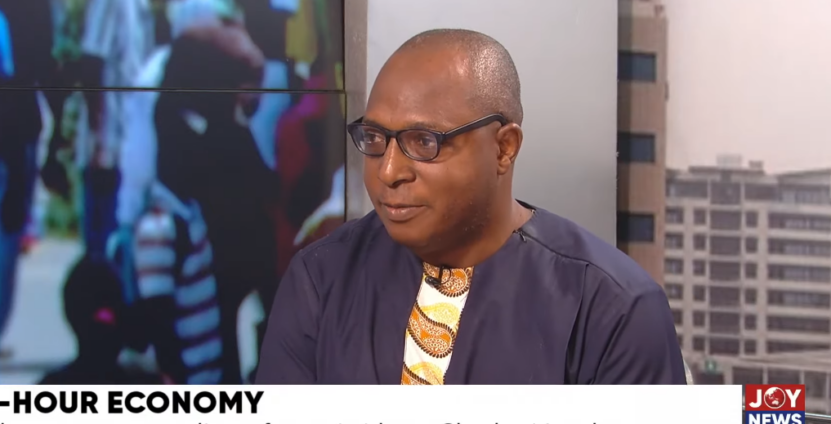
Senior lecturer at the Department of Finance at the University of Cape Coast (UCC) says the 24-hour economy is feasible in Ghana.
Dr Seyram Kawor says that numerous companies operate 24 hours, utilizing shift systems, but the level of engagement from the workforce in these operations is relatively low.
Speaking on the AM Show, he mentioned that security concerns have led some filling stations to cease night operations.
Proposing a transition to a 24-hour economy, he believes it would encourage broader participation to enhance security in these areas.
“Some of the filling stations or fuel distribution companies stop whatever they do. The transportation has been thwarted at a point in time because of security issues. Going into a 24-hour economy will make everybody come on board to enhance security in the system,” he said on Monday, November 27.
The lecturer expressed concern about implementation challenges, emphasizing the need to avoid rushing the project. According to him, a rushed approach could hinder the country's progress.
“We do not have to rush this particular project. If we rush it as we have done for previous policies, then we are going to be where we are again.”
He asserted we need a strong stakeholder policy and engagement to bring everybody on board, especially the industry players and agrees that it is the private sector that will lead the 24-hour economy.
“The private sector is the one that is going to lead the 24-hour economy, not the public sector. The public sector is just to create the enabling environment.”
Dr Kawor also emphasized the importance of protecting labor rights, clarifying that it's not solely about the availability of jobs but ensuring fair wages and conditions.
The idea is to avoid a situation where individuals are compelled to accept low pay by arguing that if one refuses, someone else will take the job at lower wages.
“We need to protect labour. The jobs are there so if you cannot do it, somebody will come and do it and so this is the amount of money we are going to pay. We must factor it into a new policy so that once we do that, it’s going to make sure we close all the loopholes so that everyone feels comfortable in coming on board.”
He also added that family life may be disrupted and therefore policies must be put in place to address such issues
“Daddy is going to work at night, mummy is going to be home. If you’re a single parents, what systems are in place for you to keep your child during that particular child so it’s a holistic issue we need to look at.”
“We cannot say it’s not possible. It’s very possible as it is done in some other areas and in Ghana we can equally do that.”
Latest Stories
-
NPP’s new leadership offers no renewal after ‘micro minority’ defeat – NDC’s Abeiku Hayford
47 seconds -
Blackstar Experience to hold fashion show and summit in November
1 minute -
Prof Mike Oquaye backs Kojo Bamba’s call for stronger ballot protection
11 minutes -
If police won’t protect you, you’ll protect yourself – Prof Mike Oquaye backs Kojo Bamba’s election
12 minutes -
Spotify makes fandom the ticket with debut Surround Sound experience in Lagos
22 minutes -
Deputy Interior Minister calls for joint action to strengthen Ghana’s cybercrime response
32 minutes -
Gov’t announces plans to create 20,000 jobs in waste management, circular economy
37 minutes -
T-bills auction: Government exceeds target by 30%, but demand to remain relatively soft at next auction
39 minutes -
Election Watch Ghana raises concern over low female representation in NPP leadership
45 minutes -
Four drinks that help manage blood sugar
45 minutes -
Ray Michael Djan Jr puts Ghanaian creativity on global stage with Chelsea anthem
55 minutes -
Matilda Dibloni Kokar elected USAG president after two-year dormancy
58 minutes -
NPP delegates wanted youthful energy with Kojo Bamba’s election – Political scientist
1 hour -
Zenith Bank supports Childhood Cancer Unit at Greater Accra Regional Hospital
1 hour -
KMA empowers 64 persons with disabilities; Mayor unveils plan for sustainable skills centre
1 hour