


Audio By Carbonatix
If you're looking for the fountain of youth, stop walking down fancy department store beauty aisles and start taking a look at your diet.
While topical creams may be effective in fighting wrinkles, sagging skin and other telltale signs of aging, dermatologists say what you put in your body is just as important as what you put on your skin.
Huff/Post50 spoke with dermatologist Patricia Farris of Old Metairie Dermatology in Metairie, Louisiana to get the scoop on what changes you can make in your diet to slow the aging process.
"I'm sort of a whole food person myself," Farris, 61, said. "I always tell people, the best way to get any phytonutrient, vitamin or antioxidant, is in the foods it's been grown in." While taking supplements is a hot trend, Farris says there's no guarantee vitamins will have the same effect in supplement form as they do in their natural form.
"I you start beefing up your diet with heavy loads of fruits, veggie and antioxidants, you certainly could thwart some of the damages of aging," Farris said. "Just because you're over 50 doesn't mean you can't make a difference now. Clean up your diet and put in the good food no matter what age."
Here are five vitamins and their natural food sources that you might want to add to your diet to battle aging:
1. Vitamin C

Found in abundance in citrus fruits, vitamin C is essential for collagen production, skin repair and also for keeping your bones and teeth strong. Vitamin C not only protects against sun damage, it also can repair the existing damage which results in lines and wrinkles. "Vitamin C can change the way your skin ages," Farris says.
2. Vitamin A
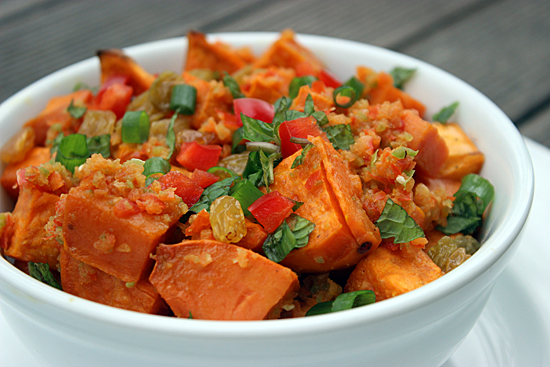
Load up on foods like sweet potatoes, kale, mangoes and carrots to get the antioxidant benefits of vitamin A. Retinol, one of the only FDA-approved wrinkle treatments, is a form of this vitamin, which works inside cells, hitting receptors which helps them function as if they were younger. It also slows the breakdown of collagen, Farris says, which is important in giving skin its youthful appearance and elasticity. While it's important to get your vitamin A in your diet to keep a strong immune system and keep our skin and eyes healthy, it can also be applied topically for anti-aging benefits.
3. Vitamin D

When it comes to anti-aging, don't neglect your bone health. Bone loss can be one of the more powerful effects of aging to consider, especially for women, Farris says. Vitamin D works with calcium to keep your bones strong and dense. "One of the things that makes your face look saggy is loss of bone. We focused for years on collagen, and now we understand that you lose fat, collagen and bones in aging," she said. "The better your bone health, the better your bone structure is and the more youthful you will appear."
Foods like fatty fish, some dairy products and egg yolks are good sources also. According to the NIH, most Americans get the majority of their vitamin D from fortified foods, like most milk and some orange juices.
While vitamin D synthesis also occurs from our daily sun exposure, sunscreen with SPF 8 and higher can block that effect. The American Academy of Dermatology recommends getting vitamin D from your diet, as unprotected sun exposure can damage your skin and cause premature aging.
4. Vitamin K

Load up on leafy greens to get your vitamin K, especially if you complain about bruising. Farris says one of the most common complaints she gets from her post-50 patients is of bruising, commonly on the arms. Vitamin K helps keep collagen in your skin intact and keeps your skin thick, reducing the appearance of bruises, veins and, as some suggest, even dark circles.
5. Vitamin E

Vitamin E is great, especially when combined with vitamin C, in keeping your cells healthy. Vitamin E helps fight damaging free radicals on a cellular level, which protects your cells from vulnerability. Farris says it's one of the most potent antioxidants out there. It can help provide sun protection to the skin and may have anti-inflammatory benefits. It is fat-soluble and can be found in many oils, such as sunflower oil and soybean oil, as well as in nuts and seeds.
Latest Stories
-
Africa cannot rely on government budgets alone to finance climate ambitions – Deputy Finance Minister
6 minutes -
COMAC gives Finance Ministry 14 days to suspend implementation of Section 136 of Customs Act
6 minutes -
WhatsApp introduces optional parental controls for teenagers
8 minutes -
Afoko could help Bawumia pursue ‘clean break’ ahead of 2028 – Dr Amakye-Boateng
10 minutes -
Global Capacity Hub conference connects Ghanaian businesses to technology, investment opportunities in London
17 minutes -
Overcharge passengers and face sanctions, GPRTU warns drivers
20 minutes -
Government seeks $165m to complete operational phase of Boankra Integrated Logistics Terminal
31 minutes -
‘Show us the evidence’ – Upper West teachers demand proof of arrears payments
37 minutes -
GH¢1 D-Levy suspension will offer relief to fuel consumers – COPEC
38 minutes -
Youth Olympic Games in Africa: policy, regulation, and perspectives on shaping youth lives
45 minutes -
Contractors move to site for construction of 120-bed trauma hospital in Bole – Kwakye Ofosu
53 minutes -
Poor institutional leadership hindering Ghana’s creative industry – Oscar Provencal
1 hour -
CSA demands faster sharing of cyber threat intelligence among financial institutions
1 hour -
CSA warns Ghanaians to verify money requests as AI makes online fraud harder to detect
1 hour -
NEIP CEO urges Africa to build systems that turn ideas into businesses
1 hour