

Audio By Carbonatix
Despite Ghana’s recent economic recovery, 56.4% of Ghanaians remain in poverty, with widening disparities across different parts of the country, the World Bank has said.
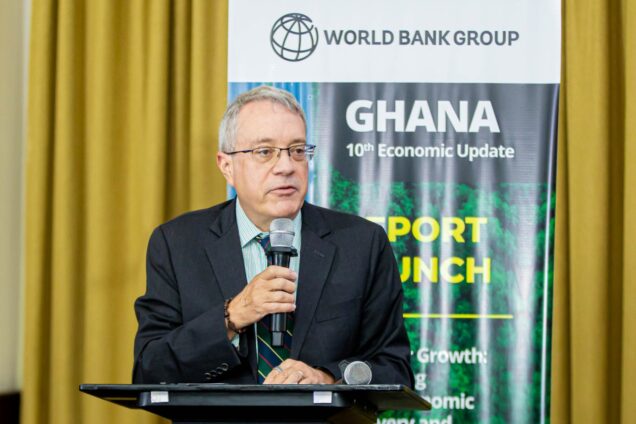
The World Bank Division Director for Ghana, Liberia and Sierra Leone, Robert R. Taliercio, said the strong headline economic growth recorded in recent years was yet to translate into improved living conditions for a significant proportion of the population.
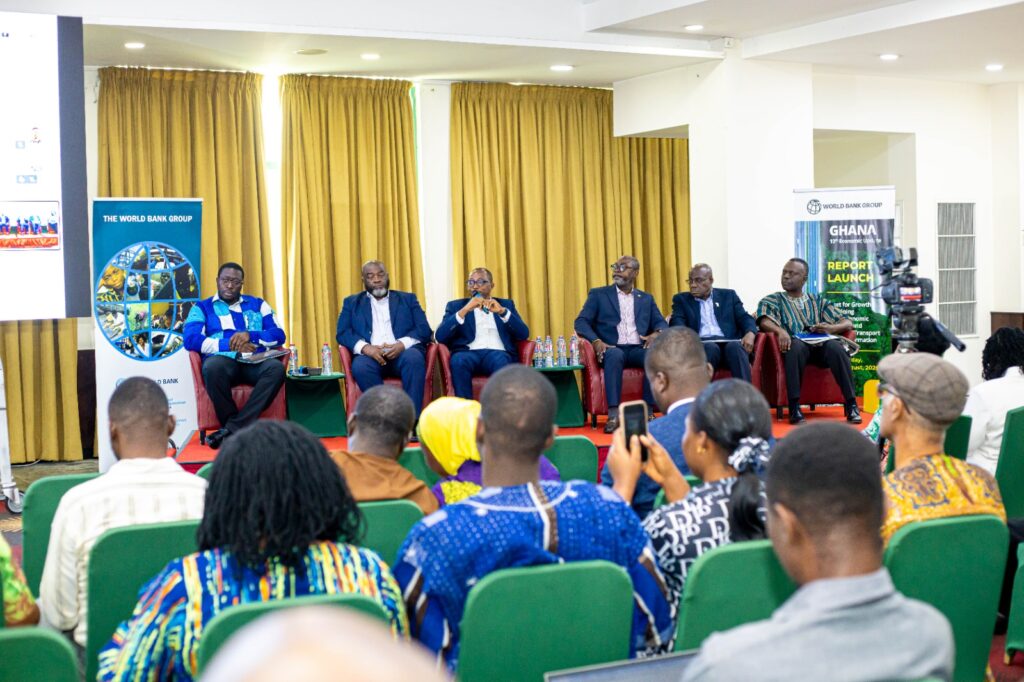
Speaking at the launch of the World Bank’s Tenth Ghana Economic Update in Accra, Mr Taliercio said the situation highlighted the need for more inclusive growth that creates opportunities and jobs for the wider population.
“56.4% of Ghanaians remain in poverty, and spatial disparities are widening,” he said.
According to him, there is a disconnect between Ghana’s headline economic growth and the realities faced by many households across the country.
“There is a disconnect between the headline growth that is yet to reach most of the population,” Mr Taliercio said.
He said the challenge was particularly concerning given Ghana’s growing young population and the need to create sufficient employment opportunities for people entering the labour market.
Mr Taliercio noted that Ghana’s economy grew by 6% in 2025 and accelerated to 6.4% in the first quarter of 2026, indicating a strong recovery in economic activity.
However, he cautioned that growth alone would not be enough to address the country’s development challenges if it was concentrated in sectors with limited capacity to create jobs.
“Growth is led by sectors with limited employment absorption relative to its growing young population entering the labour market in the next decade,” he said.
He described this as a structural imbalance requiring urgent attention if Ghana is to make its economic recovery more inclusive.
Mr Taliercio said the country must therefore focus on policies that promote job creation, improve productivity and ensure that the benefits of economic growth reach more households and regions.
He stressed that making Ghana’s recovery inclusive, job-intensive and resilient would be critical to sustaining the progress made in restoring macroeconomic stability.
Latest Stories
-
Ghana explores centre of excellence for hearing, communication and cochlear implant care
1 hour -
Schizophrenia-related disorders lead mental health cases recorded in Ghana
1 hour -
Dutch authorities enlist Ghana in hunt for fugitive drug lord Bolle Jos
2 hours -
Ghana housing finance conference adopts communiqué to improve affordable housing access
6 hours -
Special Initiatives Minister urges Wa Technical Institute to enrol more girls as EU-backed solar training lab opens
7 hours -
In the matter of my first year at the Bar
7 hours -
ActionAid Ghana calls for an end to child marriage, greater investment in girls’ rights
7 hours -
Newsfile to tackle World Cup visa scandal, beach demolitions, education strikes, BRICS bid
7 hours -
UK-Ghana Trade & Investment Summit: Trade Resource Centre to help businesses maximise UK-Ghana trade opportunities
8 hours -
Embassy of Denmark celebrates World Maritime Day
8 hours -
Linking LEAP to productive inclusion could cut extreme poverty by 2030 – UNICEF
9 hours -
Trade Ministry backs use of creative arts to rehabilitate prison inmates
9 hours -
Negotiations with government to continue despite strike suspension – GNAT
9 hours -
‘Ghana cannot afford to waste public resources; every cedi has a job’ – Ato Forson
9 hours -
Ghana expects economic boost as World Assemblies of God Congress brings 10,000 delegates to Accra
9 hours