

Audio By Carbonatix
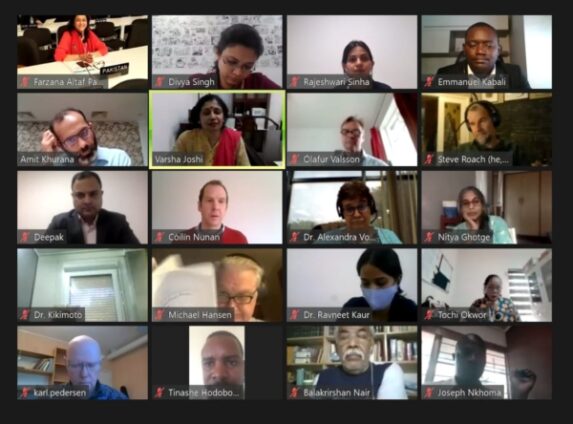
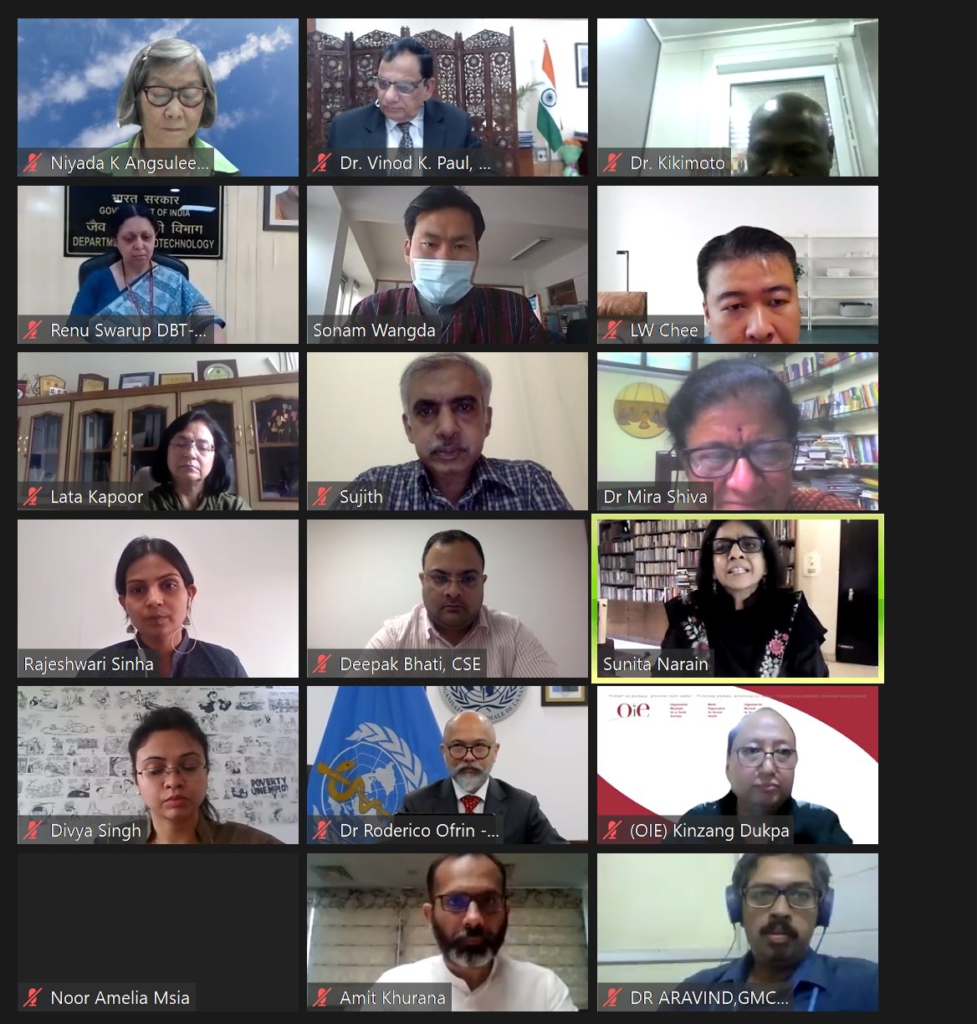
“We are running out of time in the fight against antimicrobial resistance (AMR). We do not have the luxury of words anymore, we need action and we need it now," Director-General for India-based Centre for Science and Environment (CSE), Sunita Narain, told a three-day Africa-Asia Virtual Meeting on Antimicrobial Resistance (AMR).
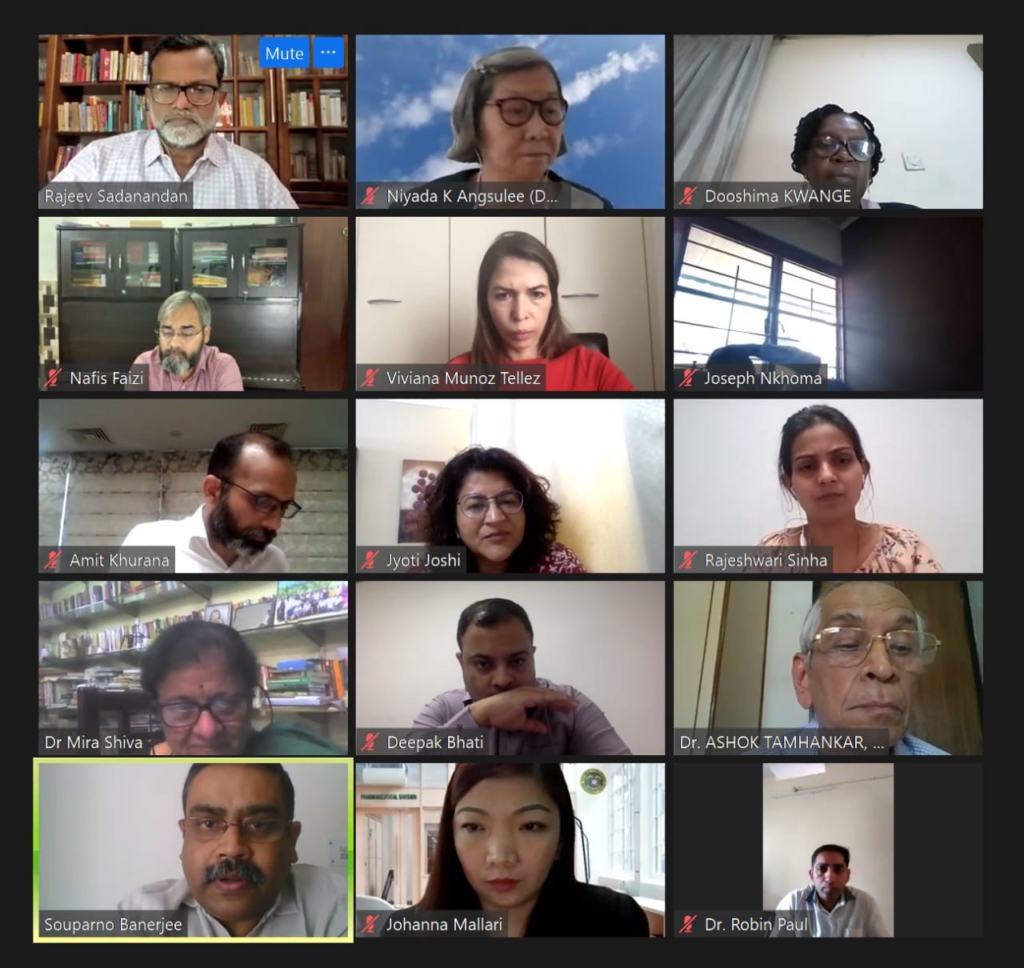
The CSE's Virtual Webinar provided an opportunity to discuss how to address the scourge of AMR through the ‘One-Health’ approach.
AMR is a phenomenon whereby disease-causing microbes become resistant to drugs designed to kill them.
An estimated 700 thousand deaths occur annually worldwide as a result of AMR.
Scientists say if the world does not act by 2050, 10 million lives will be endangered each year due to the phenomenon, and 90 per cent of them will come from Africa and Asia.
One-Health approach implies greater synergy among human, animal, environmental health sectors and emerges as an optimal response to AMR.
Sunita Narain says One-Health should focus on transforming the global and national food system.
“To be true to its name, One-Health needs to focus on global and national food system transformation. It needs to work intensely on animal health. It needs to recognise the role and importance of the environment with regards to AMR. And it needs to achieve all this in the context of national and local backgrounds, which vary widely and may have specific requirements,” he said
While the need to address AMR has been recognised globally and institutionalised through national action plans (NAPs), progress on the on-ground has been slow.
"How do we make progress on NAPs? We need to prioritise and focus on low-hanging fruits and accept that we cannot do everything at the same time. We need political support. We also need to make AMR everybody’s business”, Said Anuj Sharma, technical officer-AMR, Lab and IPC, WHO Country Office for India.
Anthony D So of Johns Hopkins Bloomberg School of Public Health (USA) said that there is a need to find political funding for action.
“We need to find the political will to muster funding for NAPs and other AMR action.”
The workshop, titled ‘Containing the Silent Pandemic’, was organised by CSE to discuss the future agenda to address the scourge of AMR through the ‘One-Health’ approach.
Programme Director for Food Safety and Toxins Unit of the centre, Amit Khurana, further explained that “low and middle-income countries agendas should be given due importance when designing global guidelines on containment of AMR."
According to him, the financial, social and environmental realities in the Global South do not translate into a universal protocol of action.
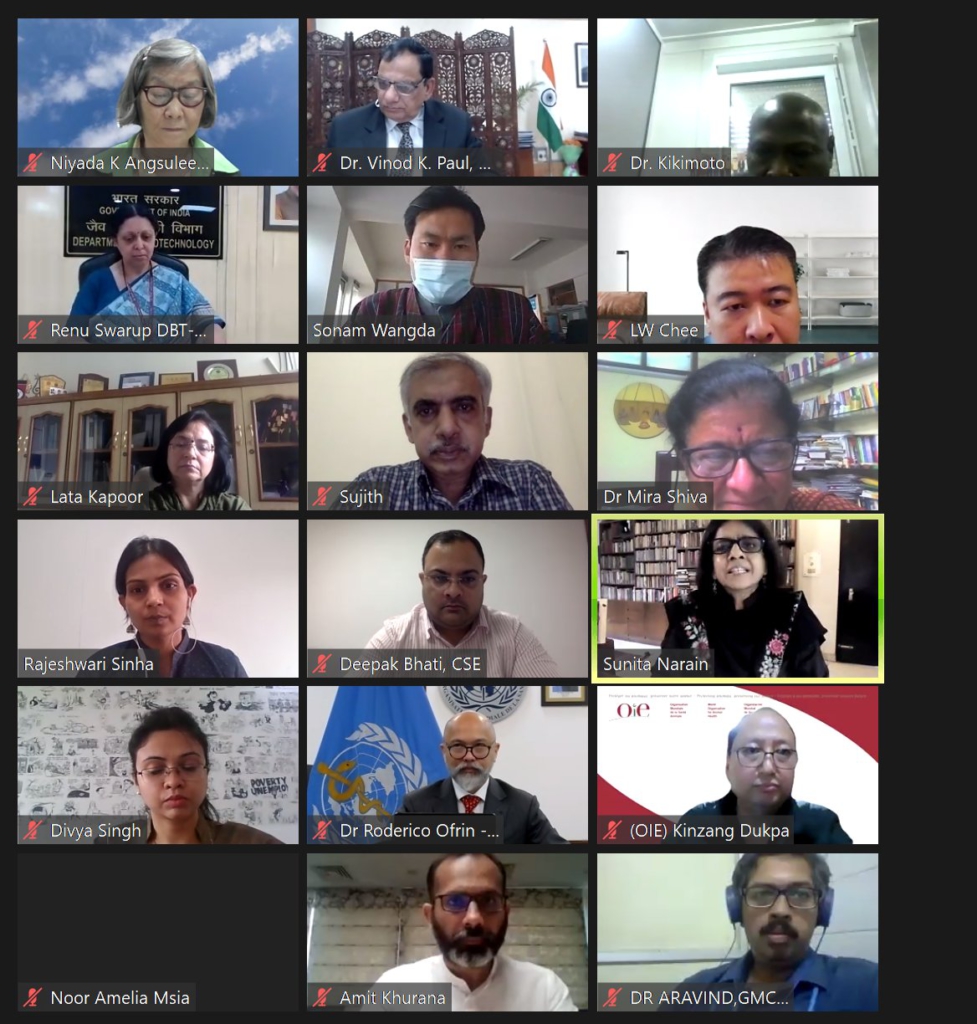
Narain also highlighted important programs to prevent AMR. “We cannot follow the trajectory of the developed world in the developing world, of first polluting and then cleaning. The cost of cleaning is high and we cannot afford it. Therefore, we need a preventative agenda in the developing world, to minimise pollution due to an overuse of antimicrobial drugs.”
Many panelists talk about the slow pace of action on AMR, a pandemic deadlier than COVID-19.
The need to rope in all stakeholders, civil society, media, educators, students, among others to raise awareness about AMR was on the table for discussion.
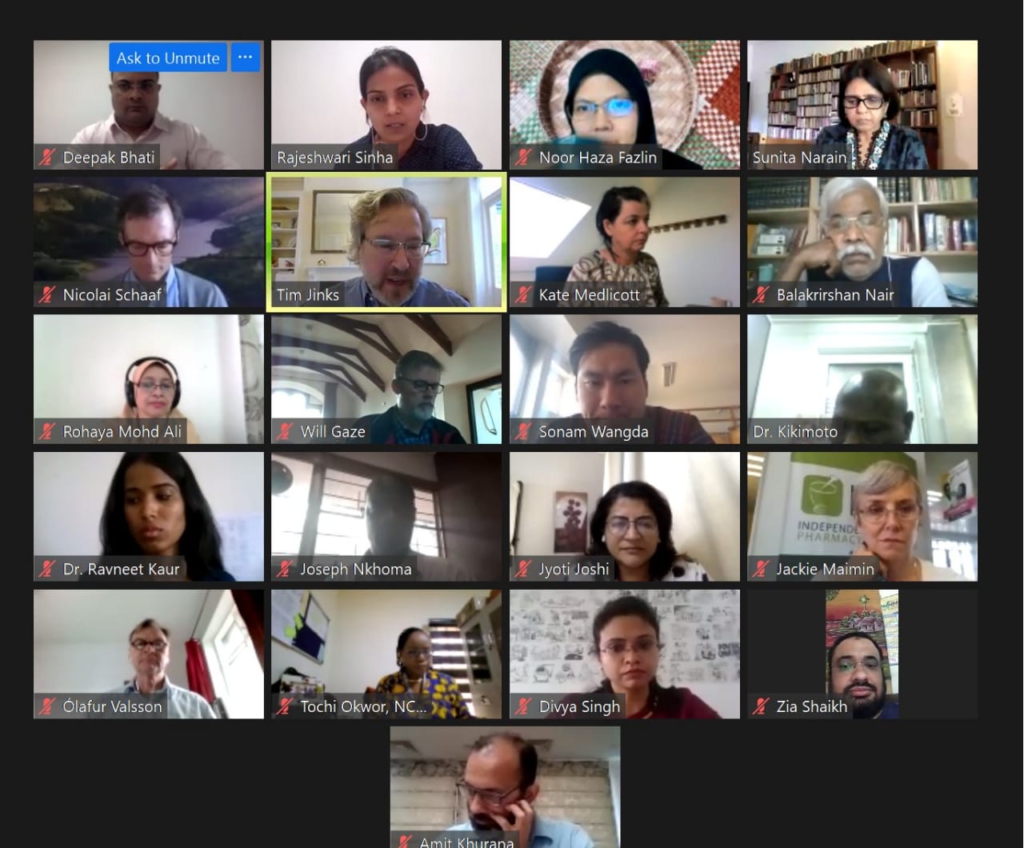
Head of Drug-Resistant Infections Priority Programme at Wellcome Trust, Timothy Jinks, gives a cautionary note that the issue of tackling AMR is complex but it should not be allowed to become a barrier to act.
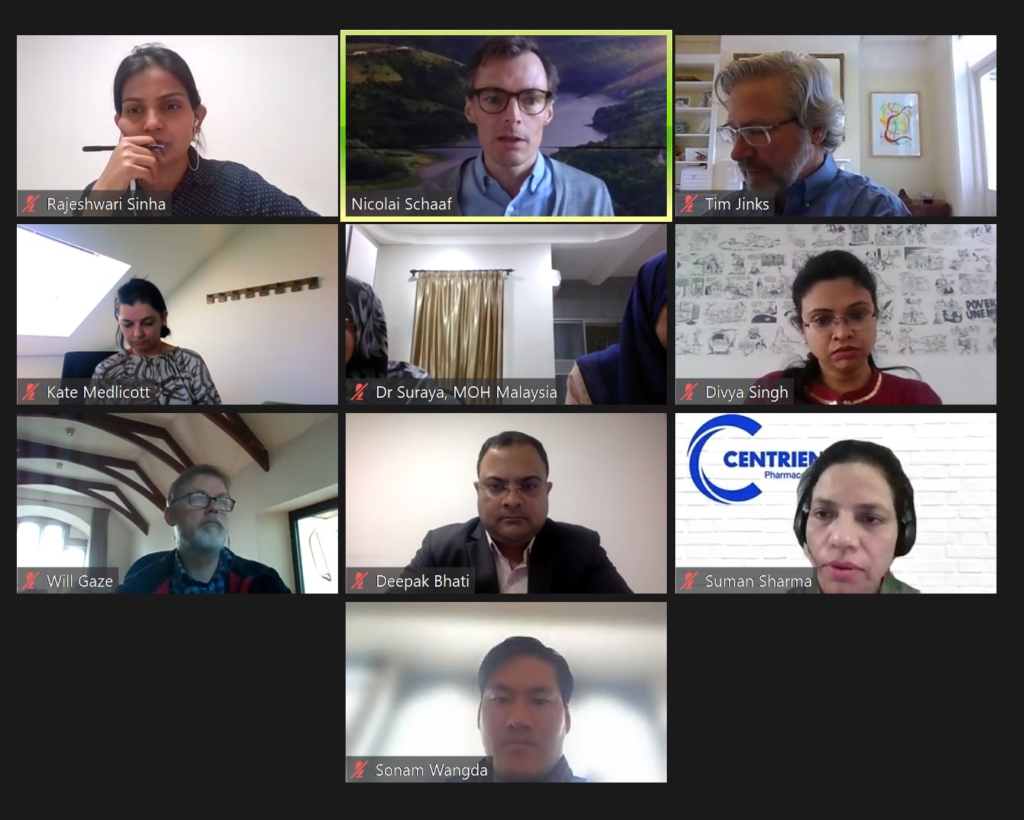
“The issue of tackling AMR is complex, but this complexity should not be allowed to become a barrier to act. We have enough information and clarity to act. We must act now. Time is running out,” he said.
Over 100 experts from 26 countries, including Ghana, attended the workshop.
Speakers from Botswana, Ethiopia, Malawi, Mozambique, Namibia, Nigeria, South Africa, Tanzania, Uganda, Zambia, and Zimbabwe, also addressed the issue.
Other countries included Afghanistan, Bangladesh, Bhutan, Cambodia, Iran, Malaysia, Nepal, Pakistan, Philippines, Singapore, Sri Lanka, Thailand and Vietnam.
Latest Stories
-
Qantas flight grounded after bedbug outbreak
37 minutes -
Reality Zone with Vicky Wireko: International Day of the Girl, shaping today’s girl for tomorrow’s future – ZONTA Clubs lead the way
49 minutes -
Global health must be led by countries, not designed for them – Mintah Akandoh
2 hours -
Mahama honoured at 2026 World Health Summit in Berlin for global health leadership
2 hours -
Breast cancer is not a death sentence – Besease Kontire Obaapanin, Magmina Foundation lead awareness campaign
2 hours -
EcoBank invests in digital education of 4 Garisson School to mark 40 years in Africa
2 hours -
AGI urges investment in skills and raw materials to strengthen local manufacturing
3 hours -
GPL 2026/27: ‘We have to rectify our mistakes’ – Boadu reacts to Aduana FC defeat
3 hours -
No disability access, no building permit – KMA declares
3 hours -
Asantehene to lead environmental restoration effort at Jimi Land Reclamation Site
3 hours -
Poor Ghanaians are being jailed because they cannot afford justice – Crime Check Foundation
3 hours -
No conflict in appointing Emelia Agbenyo as Deputy EC Chair – NDC
3 hours -
87-year-old man jailed 20 years for defiling 9-year-old girl at Ofankor
3 hours -
Sankofa Gold targets 70kg output after 9-month shutdown
3 hours -
Tamale, Bolgatanga had just one Legal Aid lawyer between them – Kwesimintsim MP
3 hours