

Audio By Carbonatix
Experts are calling for Ghana to adopt waste-to-energy solutions as concerns grow over the rising economic and environmental cost of landfill-based waste management, particularly in Accra.
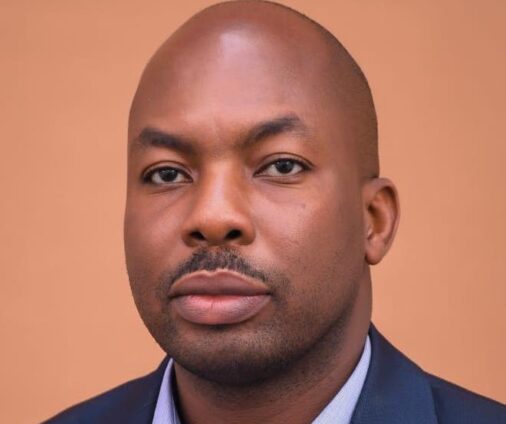
Environmental and energy expert Dr Elikplim Kwabla Apetorgbor is advocating a transition from the country’s long-standing reliance on landfill disposal to a system that converts municipal solid waste into electricity.
His call comes amid increasing pressure on urban waste systems, where large volumes of refuse are collected daily and transported to landfill sites at high public cost, with limited long-term economic returns.
Rising urban waste burden
Available data and sector assessments indicate that Ghana’s current waste management model continues to place a heavy financial burden on public authorities. Costs associated with collection, transportation and disposal remain high, while challenges such as flooding, poor sanitation and land degradation persist.
In major urban centres, particularly Accra, landfill sites are nearing capacity, raising concerns about the sustainability of the existing approach. Experts warn that continued reliance on dumping waste could further strain public finances and urban land use.
Waste-to-energy proposal
The proposed alternative centres on waste-to-energy (WtE) technology, which processes municipal waste to generate electricity. Under this model, waste is treated as a resource, enabling its conversion into usable power while reducing the volume sent to landfill.
Dr Apetorgbor explained that a utility-scale waste-to-energy facility, supported by modern incineration technology, could provide a structured solution to address both sanitation and energy challenges.
He noted that similar systems are already operational in several cities worldwide, where they contribute to improved waste management and stable power supply.
Energy sector implications
Energy analysts say integrating waste-to-energy into Ghana’s power mix could improve supply reliability. Unlike renewable sources such as solar power, which depend on weather conditions, municipal waste is generated continuously, making it a potential source of stable, dispatchable power.
Stakeholders emphasise that for such projects to succeed, firm commercial arrangements — including power purchase agreements with the Electricity Company of Ghana — will be necessary.
Broader economic impact
Beyond electricity generation, the waste-to-energy model is expected to deliver multiple economic benefits. These include reducing pressure on landfill sites, improving sanitation outcomes, creating jobs within the waste value chain and making more efficient use of urban land.
Analysts also point to indirect benefits such as reduced public health risks and lower costs associated with flood control and environmental clean-up.
Implementation requirements
However, experts caution that successful adoption will depend on careful planning and coordination. Key requirements include reliable waste collection systems, accurate assessment of waste volumes, strict environmental safeguards and appropriate site selection.
There are also calls for a coordinated, multi-agency approach involving sanitation authorities, environmental regulators and energy institutions to ensure effective implementation.
Policy considerations
Stakeholders are urging the government to formally integrate waste-to-energy into national policy frameworks, recognising its potential role at the intersection of sanitation management and energy production.
Recommendations include conducting a comprehensive prefeasibility study and establishing clear regulatory and commercial structures to support investment in the sector.
As urban populations continue to grow and waste generation increases, experts say Ghana faces a critical decision on how to manage its waste sustainably.
They argue that a shift towards waste-to-energy presents an opportunity to transform a long-standing environmental challenge into a source of economic and energy value, while easing pressure on existing landfill systems.
Latest Stories
-
Mustapha Hamid misses out on NPP Vice Chairmanship by 31 votes despite early poll lead
7 minutes -
Kojo Bamba, Henry Nana Boakye and Nana Akomea elected NPP Vice Chairmen
53 minutes -
From Delta Force to NPP First Vice Chairman – Kojo Bamba’s political journey
58 minutes -
Police restore calm at Larteh following Odwira festival disturbance
2 hours -
‘All the camps will dissolve’ – Bawumia demands one NPP for 2028
2 hours -
There is no time to waste – Bawumia orders NPP to begin 2028 work
2 hours -
Sarkodie visits MobileMoney Fintech LTD
2 hours -
John Boadu unveils new NPP strategy to win back youth and modernise party
2 hours -
Hawa Koomson elected NPP National Women’s Organiser
2 hours -
John Boadu begins NPP rebuild from grassroots ahead of 2028 election
2 hours -
Titus Glover wins NPP National Organiser race on second attempt
2 hours -
Winning 2028 election won’t be easy; we must work harder – Bawumia
2 hours -
You’ll be part of 2028 campaign; there’s enough work for all of us – Bawumia to NPP aspirants
2 hours -
John Boadu moves to unite NPP after heated leadership contest
2 hours -
Today is not a day of victory but a day of responsibility and great unity – John Boadu
2 hours