

Audio By Carbonatix
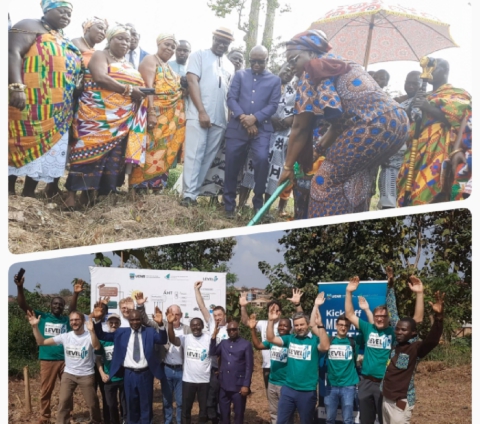
The University of Energy and Natural Resources (UENR) and partners have cut sod for a 2.5m euros “Level-Up waste-to-energy” plant.
The project, which involves over 15 public, private, and international partners, will convert agricultural and forestry residues into electricity, cooking gas, and fertilizer, among others.
The German Federal Ministry of Education and Research funded project is aimed at a reliable and sustainable supply of renewable energy for the university and surrounding areas.
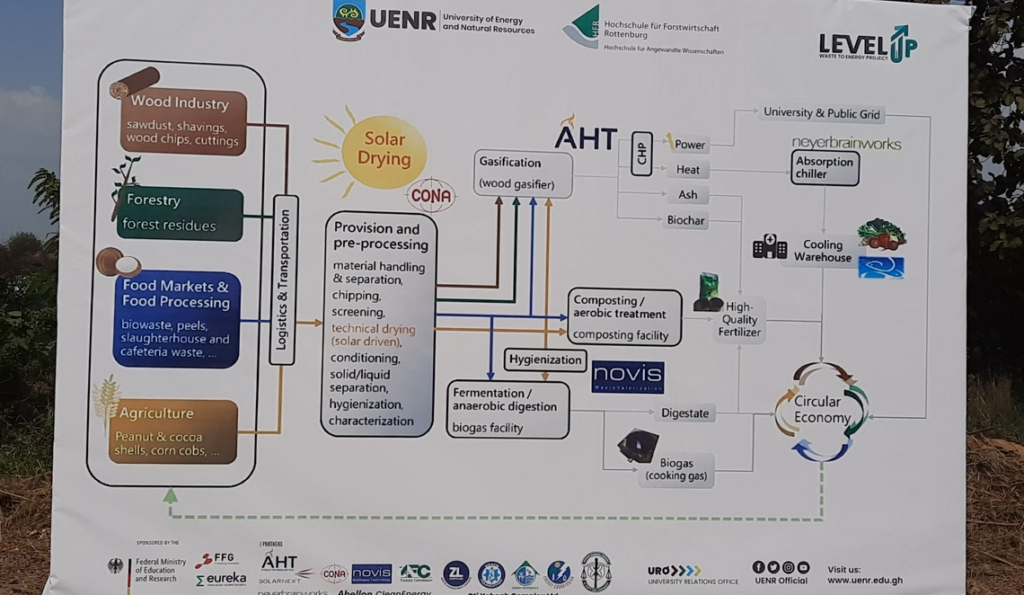
The components of the project will include a solar drying plant, biomass gasification, a biomass fermenter, and an absorption chiller.
According to the local project lead, Prof Nana Sarfo Agyemeng Derkyi, it will supply energy to the university and surrounding areas.
“The major waste materials for the biogas plant include wastes from the abattoir, market, and food to feed the digester and produce gas for cooking”, he explained, adding, “the UENR cafeteria will use the gas instead of the Liquefied Petroleum Gas and the excess can be sold”.
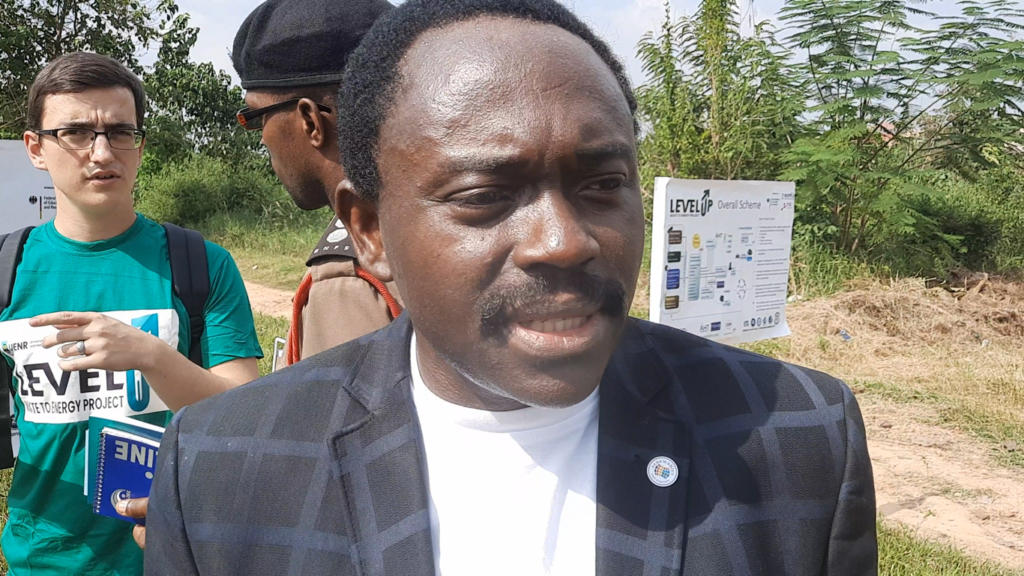
He revealed that the gasification plant during full operation, will generate 50kw of electricity, and UENR can consume only about 30kw.
“You burn the waste (gasify), and it turns into heat and transfers into a generating source which turns into electricity. The excess heat will further be turned using the absorption chiller to cold for use”, he further explained the process.
At a workshop ahead of the sod cutting, the project leader, Prof. Stefan Pelz, forest and wood utilization and wood energy expert, said the level-up project would also help protect the ecosystem from waste pollution.
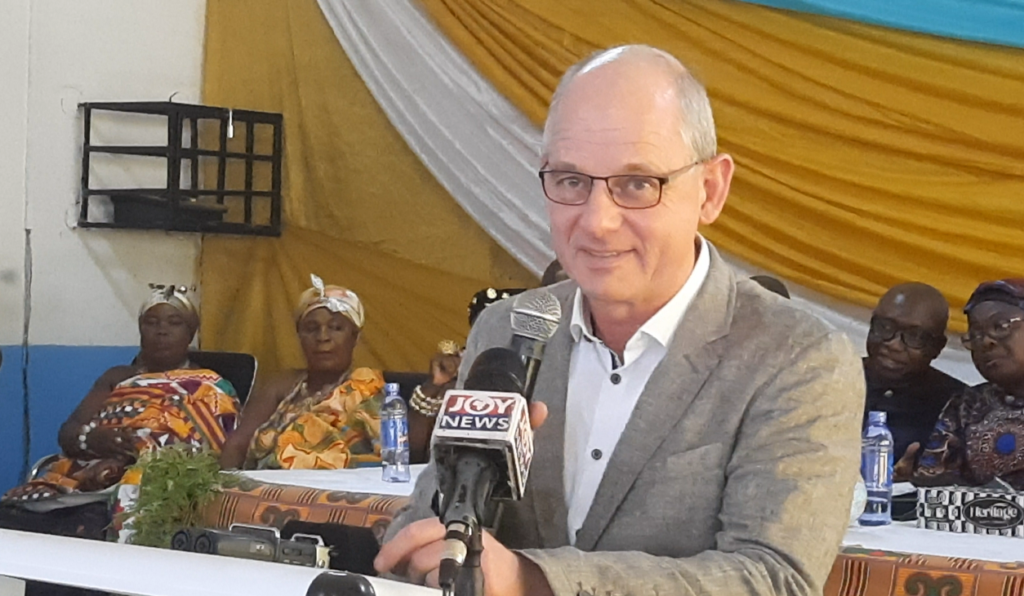
He said everything necessary is required to ensure that children and grandchildren can continue to safely live on this planet.
“We are facing global challenges and we need to strive to achieve sustainable development goals worldwide, but implementation must take place, primarily, at the local and regional levels”, he emphasized.
The Austrian ambassador to Nigeria, Thomas Schlesinger, who witnessed the sod cutting, reminded stakeholders that the project enjoys the support of the Ghana, Germany, and Austria governments as well as universities and businesses in Ghana and Europe, hence everything should be done for the success of the project.
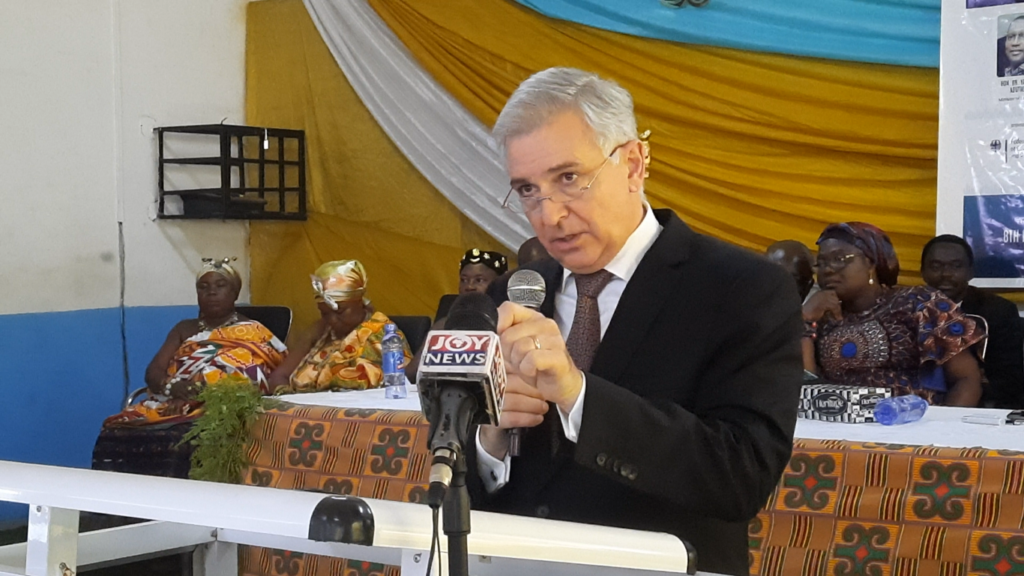
He said the project, which would also serve as a research center, could be replicated in other parts of Africa.
“I am particularly pleased that the Ghanaian and the European students will jointly research scientific projects at this facility”, he expressed, adding, “Provided the necessary research has been completed, this research can be replicated in Ghana and neighboring countries in West Africa”.
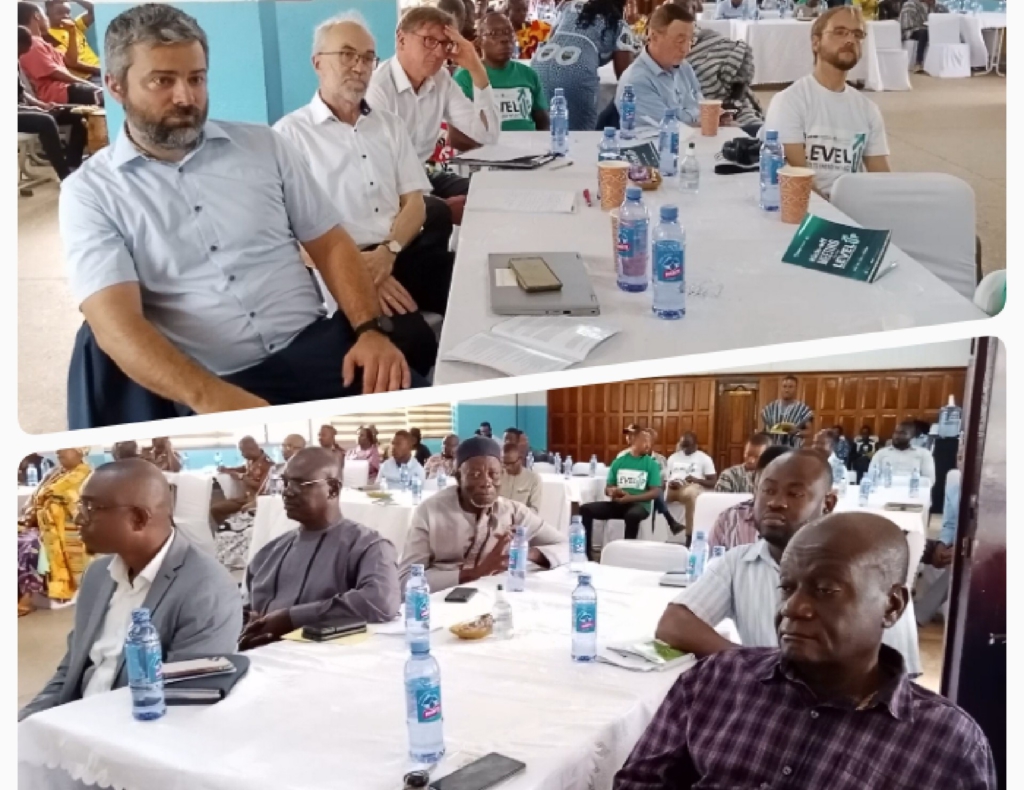
The host institution is excited about the niche the university has carved for itself in the waste-to-energy arena, besides the ambitious Level Up Waste-to-Energy project in the Bono Region.
Prof Elvis Asare-Bediako, the Vice Chancellor of UENR, said they are also involved in the “Hybrid Waste-to-Energy as a Solution for Ghana” project, which converts 12 tons of waste into electricity and fertilizer per day at Gyankobaa in the Ashanti Region, and “Renewable Energies for Africa: Effective Valorization of Agri-Food Wastes” project in the Northern Region”.
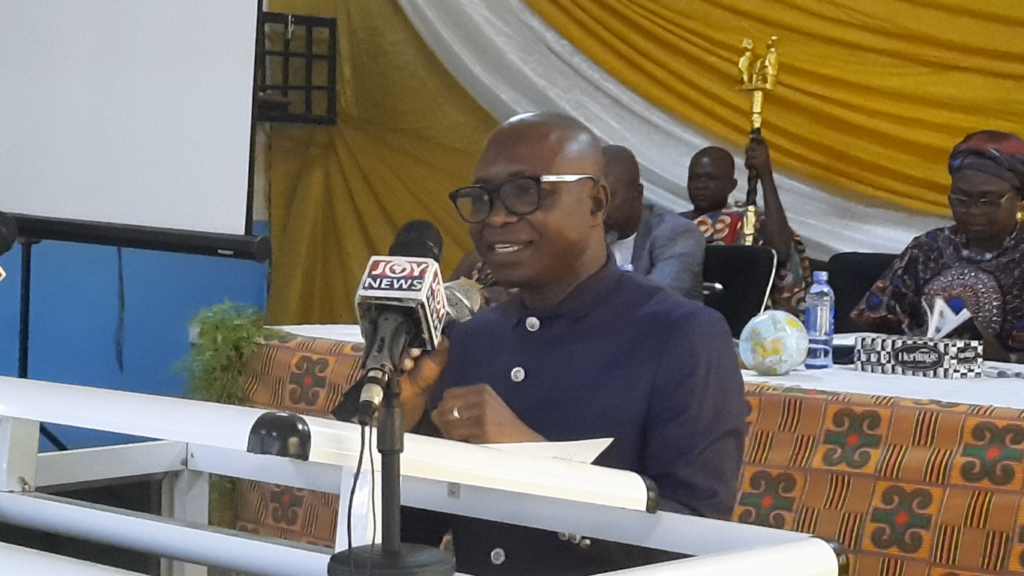
He said UENR would continue to be committed to sustainable development.
Some partners of the level-up project include Nayer Brain Works GmbH, Novis GmbH (waste valorization experts), Abellon Clean Energy Ghana Ltd, Green Water Hut, AHT Syngas N.V (Bioenergy and Wood Gasification), CONA, Energy Commission, GRATIS, and Sunyani East and West Municipal Assemblies.
Latest Stories
-
Police restore calm at Larteh following Odwira festival disturbance
40 minutes -
‘All the camps will dissolve’ – Bawumia demands one NPP for 2028
42 minutes -
There is no time to waste – Bawumia orders NPP to begin 2028 work
50 minutes -
Sarkodie visits MobileMoney Fintech LTD
52 minutes -
John Boadu unveils new NPP strategy to win back youth and modernise party
58 minutes -
Hawa Koomson elected NPP National Women’s Organiser
1 hour -
John Boadu begins NPP rebuild from grassroots ahead of 2028 election
1 hour -
Titus Glover wins NPP National Organiser race on second attempt
1 hour -
Winning 2028 election won’t be easy; we must work harder – Bawumia
1 hour -
You’ll be part of 2028 campaign; there’s enough work for all of us – Bawumia to NPP aspirants
1 hour -
John Boadu moves to unite NPP after heated leadership contest
1 hour -
Today is not a day of victory but a day of responsibility and great unity – John Boadu
1 hour -
Let us choose unity over division – John Boadu to NPP
1 hour -
Our task is to build a renewed NPP – John Boadu
1 hour -
Teamwork, discipline will drive NPP’s 2028 victory – Justin Kodua after retaining General Secretary position
1 hour