

Audio By Carbonatix
Young Women Leaders Network (YWLN) is killing two birds with one stone - addressing environmental issues and menstrual hygiene.
The NGO is making life easier for young girls, especially those from rural communities, to access biodegradable and reusable sanitary pads.
Members of Hajar Diko Osman's NGO carry their sewing machine to many parts of the country, producing sanitary pads and teaching young girls how to sew them.
The program has benefited hundreds of girls in the country by ensuring they understand their menstrual cycle.
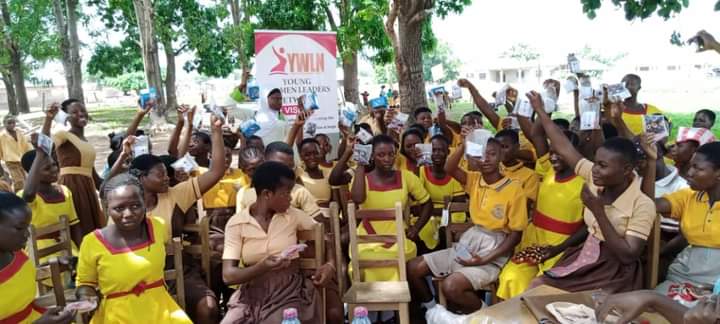
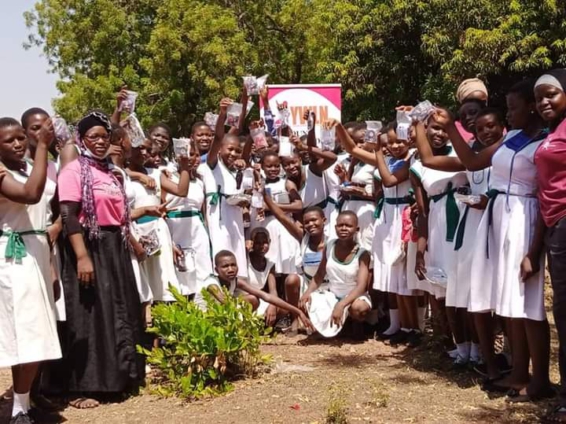
So far, girls in schools like MADRASATU DIYA'U SIHATUL ISLAMIYYA (Bolga), Malshegu R/C Junior high school, Bishops Junior High school (Tamale), Fatima Farida Academy (Kumasi), and Cluster of school in Hianwawu community in Ejura have benefited from the initiative.
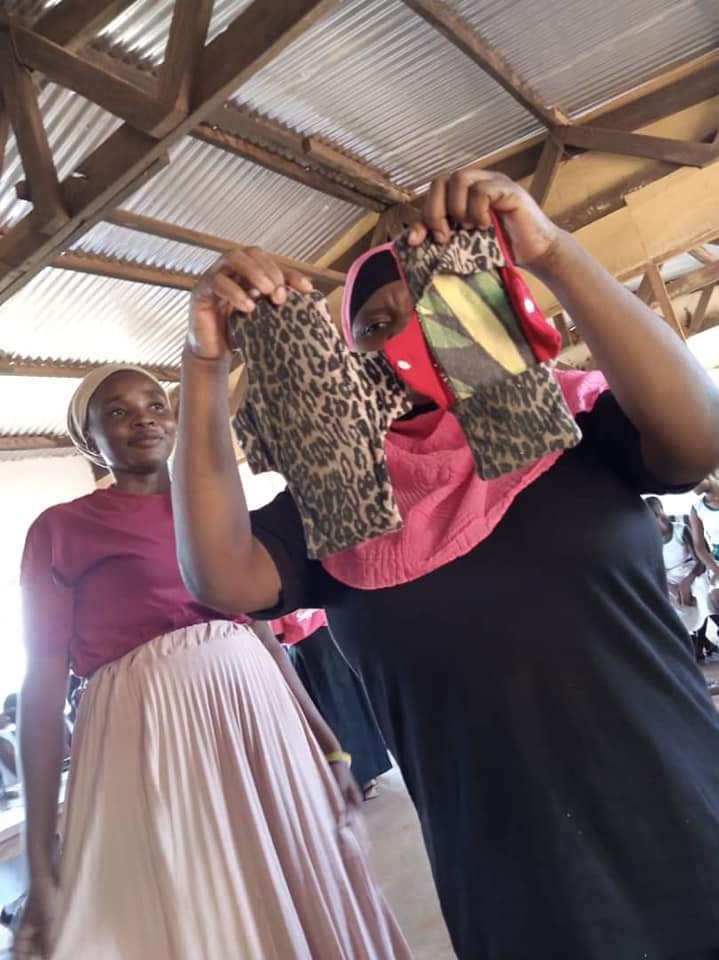
The pads they give out are made of 100% cotton, entirely eco-friendly and significantly cheaper than alternatives.
Hajar, in an interview, said she wants to build a broader vision to sustain the program by empowering women at the core of her model.
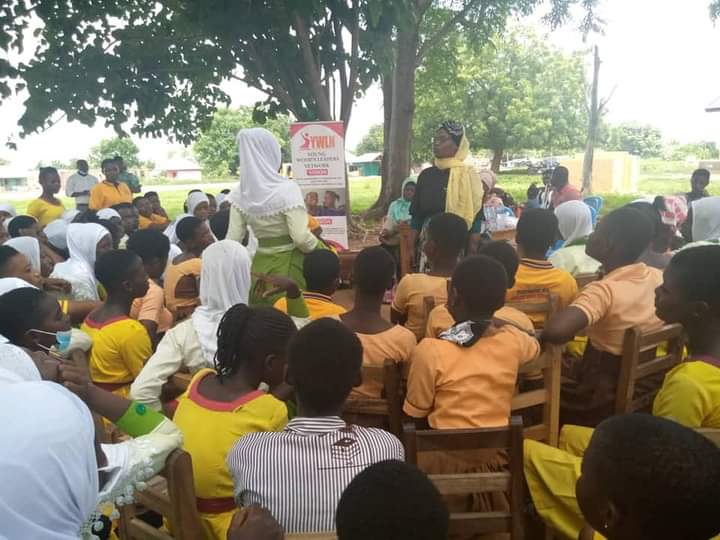
She does this by training the young girls in rural areas who make these reusable sanitary pads for themselves and others who can't afford them.
"It is all about accessibility, affordability, sustainability, and environmental protection," she said.
She revealed she was a victim of a period-poverty problem that brought her face to face with many other people who faced or are facing the same problem.
That was when the journey of YWLN began in 2017, she added. Many girls are shy to explain their absenteeism and embarrassment over menstrual leaks with the peers or even their teachers in schools.
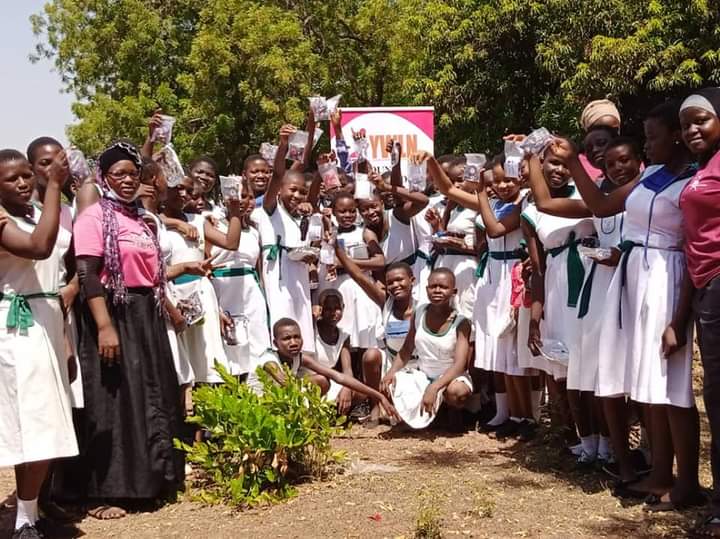
Simply because of lack of sanitary pads, they express their inability to participate in public events.
This is exactly where menstrual hygiene is directly linked to several Sustainable Development Goals, including good health, quality education, among others.
Period poverty in Ghana is prevalent, particularly in rural communities. But YWLN said they are ready to help solve the issues.
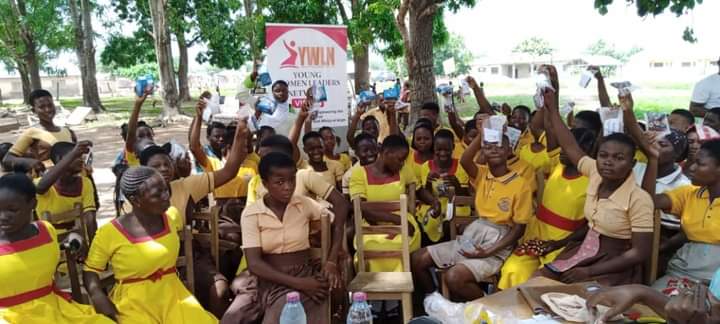
Globally, thousands of tons of disposable sanitary waste are produced every month. On average, a woman uses about 5,880 pads throughout her lifetime.
The waste generated from their use takes several years to decompose, leaving a carbon footprint that outlives her and future generations.
Hajar said that they target 10,000 young girls across the country by 2030. YWLN's use of reusable pads would help reduce waste generation.
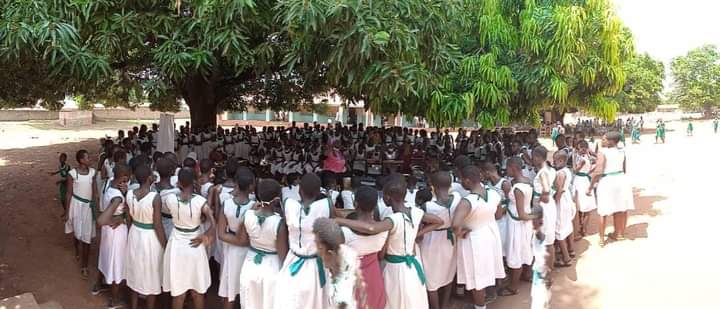
On average, 1,512 disposable pads are prevented into the landfill by one person over a nine year period.
With 10,000 beneficiaries by 2030, the potential reduction in waste generated is the prevention of 15,120,000 disposable pads into the landfill.
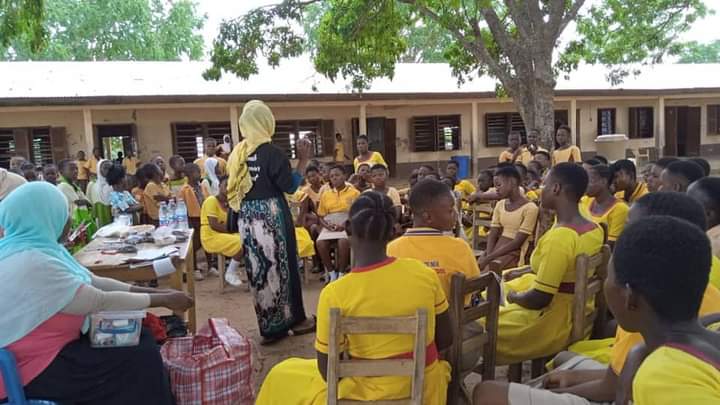
The distribution of sustainable, reusable pads saves a lot of logistical resources and closes delivery gaps. Using eco-friendly pads reduce cramps, rashes and skin irritations.
The thickness of pads to prevent leaks ensures usage confidence. YWLN wants to engage stakeholders in its implementation process.
Changing perception through training and outreach is the hallmark of YWLN.
There are also plans to engage the larger community. These outreach activities would focus on girls and women and address issues of menstrual health misconception.
Latest Stories
-
Domestic debt increased by GH¢57bn to GH¢391bn in June 2026; total public debt now GH¢719.5bn
38 minutes -
CUTS warns GH¢12 demurrage surcharge on cement, raises serious cartel concerns
1 hour -
Ato Forson thanks constituents for 18 years of support
2 hours -
T-bills auction: Government exceeds target by 51%, interest rates fall again
2 hours -
Avoid comparing governments, Catholic Bishops tell Chief Justice
2 hours -
140 migrants in single dinghy rescued in English Channel
3 hours -
FIFA president Infantino will stand for re-election
3 hours -
Catholic Bishops reject calls for Chief Justice’s resignation over political remarks
3 hours -
Germany’s far-right AfD set for big win in eastern state, just short of majority
3 hours -
Catholic Bishops urge Chief Justice to avoid remarks that could raise doubts about impartiality
3 hours -
Mrs Doris Emma Doryumu (Nee Dove)
4 hours -
Illegal mining concessions easier to obtain than lawful ones in Ghana – Prof Frimpong-Boateng
4 hours -
At least 5 dead after Amazon cargo plane barreled off runway at Miami airport
4 hours -
Frimpong-Boateng proposes Environmental Restoration Fund funded by mineral royalties
4 hours -
Corrupt individuals are worse than pathogens; their actions cause premature deaths – Prof Frimpong-Boateng
4 hours