

Audio By Carbonatix
Regardless of the hike in inflation rate in recent months, the Bank of Ghana is optimistic prices of goods and services will come down in the coming days, weeks and months.
This pledge is coming after increases in transportation fares and rising food prices pushed the rate of inflation to 27.6% in May 2022, from 23.6% in April 2022.
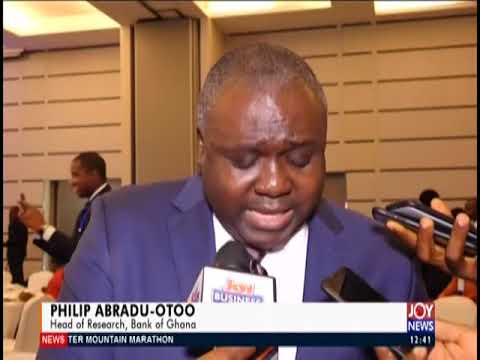
Speaking at a Financial Literacy Programme for Journalists, the Director of Research at the Bank of Ghana, Dr. Philip Abradu Otoo, said the Monetary Policy Committee of the Central Bank is working assiduously to control the rate of inflation to stabilise the economy.
According to him, the Central Bank is bullish about the prospect of achieving a lower inflation rate soon.
He explained that the current rains will aid in the bumper harvest in the agriculture sector, helping to reduce food prices, while the Central Bank's monetary policy is geared towards bringing down inflation in the non-food category.
“It’s a marginal slowdown, but if you recall the Governor [Dr. Ernest Addison] at his press conference said inflation will peak around June 2022 and July 2022. The numbers came in a little strong this time, but I think the numbers will come down; it cannot continue forever”, he said.
“Monetary policy will begin to work. Our discussion with the Meteorological Department shows that the rains this year are better than that of last year, which forecast an improvement in the food situation somewhere in September [2022], whereas the Monetary policy continue to work around the non-food sector”, he added.
Furthermore, Dr. Otoo said the fall in reserves is due to the unsustainable debt caused by the depreciation of the cedi and the economy's recovery from the COVID-19.
“The first is debt which is a fiscal problem and we see debt consuming part of our reserves. The debt problem; when government wants to service its debt, it normally provides the Central Bank with cedis and we then rely on our reserves to make settlement”, he revealed.
“We are coming back and the economy is rebounding from COVID-19. And we’ve seen economic activities pick up and import have risen significantly“, he maintained.
The theme for the financial literacy training workshop for journalists was “Sustaining the recovery, the role of the journalists in building confidence”.
Latest Stories
-
National Peace Council urges investment in youth to sustain Ghana’s peace
2 minutes -
Afenyo-Markin urges youth to speak up against injustice
13 minutes -
CAF annuls Edo Queens victory, orders WAFU B final to resume from extra time
35 minutes -
Interior Minister urges traditional authorities to enforce anti-bushfire bye-laws
37 minutes -
3rd Republic Bank-JoyNews Habitat Fair Clinic ends on a high note after three days of strong patronage
39 minutes -
Ten climbers missing after avalanche hits Himalayan base camp
1 hour -
NPP had more permanent fuel relief measures than current GH¢2 diesel cut – Amin Adam
2 hours -
Photos from the 3rd Republic Bank-JoyNews Habitat Fair Clinic
2 hours -
Ethiopia’s army promises restraint amid fears of new civil war
2 hours -
Amin Adam calls for review of fuel taxes as diesel prices remain above GH¢18
2 hours -
World Vision Ghana, Ahafo districts sign MoU for universal WASH coverage
3 hours -
When the gold engine stutters: What Ghana’s Cedi and reserves are telling us about the new economic architecture
3 hours -
Two reportedly die after being trapped in mining pit at Juaboso
3 hours -
Petrosol cleans up Wa Municipal Hospital, to donate medical equipment
3 hours -
‘If NPP was ‘insensitive’ over fuel prices, NDC must accept same description now’ — Amin Adam
4 hours