

Audio By Carbonatix
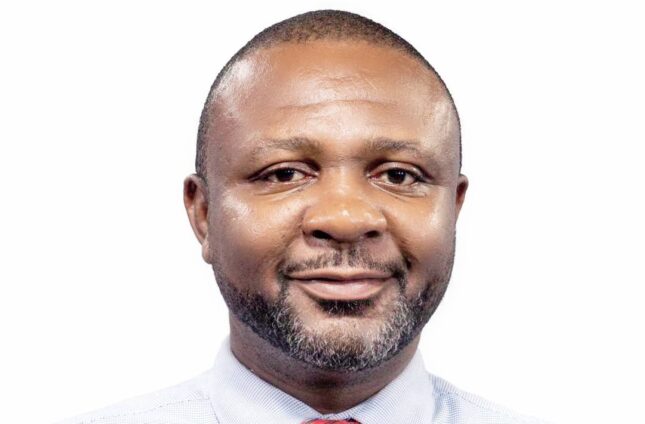
Associate Professor of Finance at Andrews University, Professor Williams Peprah, is warning of the erosion of recent gains by the cedi if the government does not tread cautiously on negotiations of new terms with creditors of external debt.
Government today, December 19, 2022, announced the suspension of Eurobonds and other external debt payments as part of its debt restructuring programme.
This suspension, it said in a statement from the Ministry of Finance, will not include the payments of multilateral debt, new debts (whether multilateral or otherwise) contracted after December 19, 2022 or debts related to certain short term trade facilities.
But speaking to Joy Business, Professor Williams Peprah, said government will have to undertake smart negotiations with its creditors because of the legal terms covering the agreements of the external debt, particularly, the Eurobonds.
“When it comes to external debtors, it requires a lot of negotiations and sometimes it takes a lot of time for them [investors] to give into what government wants to do”.
“If the government wants to get a haircut on them, a lot of negotiations must go on, sit down with anybody [investor] who has purchased the government's Eurobonds for them to agree and then possibly accept the terms of government. The legal structure of some of the loans are very detailed and you will need a lot of technical people with the negotiation skills to be able to help government achieve what they want to do; and it takes time”.
Professor Peprah said time was running out and “if we don't take care, the gains that we have achieved on the strengthening of the cedi will be eroded, especially with this particular news. So, we must tread very cautiously”.
He however said it was easy to negotiate with the bilateral lenders such as the International Monetary Fund and the World Bank.
“It is very easy for government to re-negotiate with the bilateral lenders. When we say bilateral lenders; they are the IMF, the World Bank. They are the ones that we are going to, so we have been asking them to give us some discount on these loans."
"At the moment, there is about 30% of our external debt in the hands of multilateral loans. So if the government wants to achieve its debt servicing, I’m sure this option is the shortest route to get an agreement”, he added.
Latest Stories
-
Digital strategy platform ‘Strategy Partner Pro’ launched
7 minutes -
Jaguar Land Rover to cut 4,000 jobs
10 minutes -
Ghana moves to become Africa’s vaccine and pharmaceutical manufacturing hub
17 minutes -
WAEC cancels entire results of 861 candidates over possession of mobile phones
19 minutes -
Sunbeth Global Concepts redeems ₦25.1bn CP, demonstrating strong liquidity, investor confidence
23 minutes -
WAEC urges revival of reading culture, better teacher training to improve English
26 minutes -
WAEC blames weak grammar, poor reading culture for decline in 2026 WASSCE English results
29 minutes -
I am American, I am Ghanaian: Where do I stand in the reparations conversation?
32 minutes -
GAMLS urges gov’t to prioritise purpose-built laboratories ahead of Free Primary Healthcare
34 minutes -
Video: Watch highlights of Medeama SC’s loss to TP Mazembe in Tarkwa
36 minutes -
Ghanaian vaccine makers gain access to 1.4bn African market under new deal
38 minutes -
The Wontumi Trial: Why this court ruling could change Ghana’s mining industry forever
49 minutes -
GPL 2026/27: ‘We will continue this form’ – Hearts boss Nebojsa assures after sizzling start
50 minutes -
Calls for Chief Justice’s resignation over SOE remarks ‘a bit excessive’ – Vicky Bright
52 minutes -
We need a courageous leader to succeed Mahama – NDC’s James Agbey
56 minutes