

Audio By Carbonatix
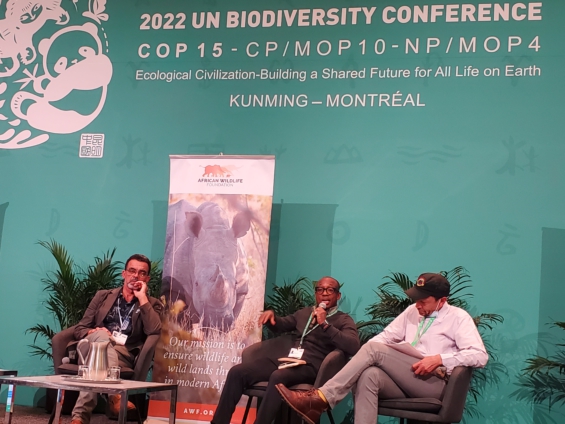
Some Ghanaian experts who participated in the recent United Nations Biodiversity Conference in Montreal, Canada have called for the prioritisation of science and technology as the sure way to encourage socio–economic development.
Dr Justina Dugbazah who is the Coordinator of the African Union’s High-Level Panel on Emerging Technologies says the world is advancing at a fast pace technologically, and Africa cannot afford to be left behind.
“When it comes to the harnessing of innovation and emerging technologies, this is actually what underpins emerging socio-economic development. If you look at all the development subsectors, be it agriculture, health, or education, harnessing innovations play a big role,” she told Joy News in an interview.
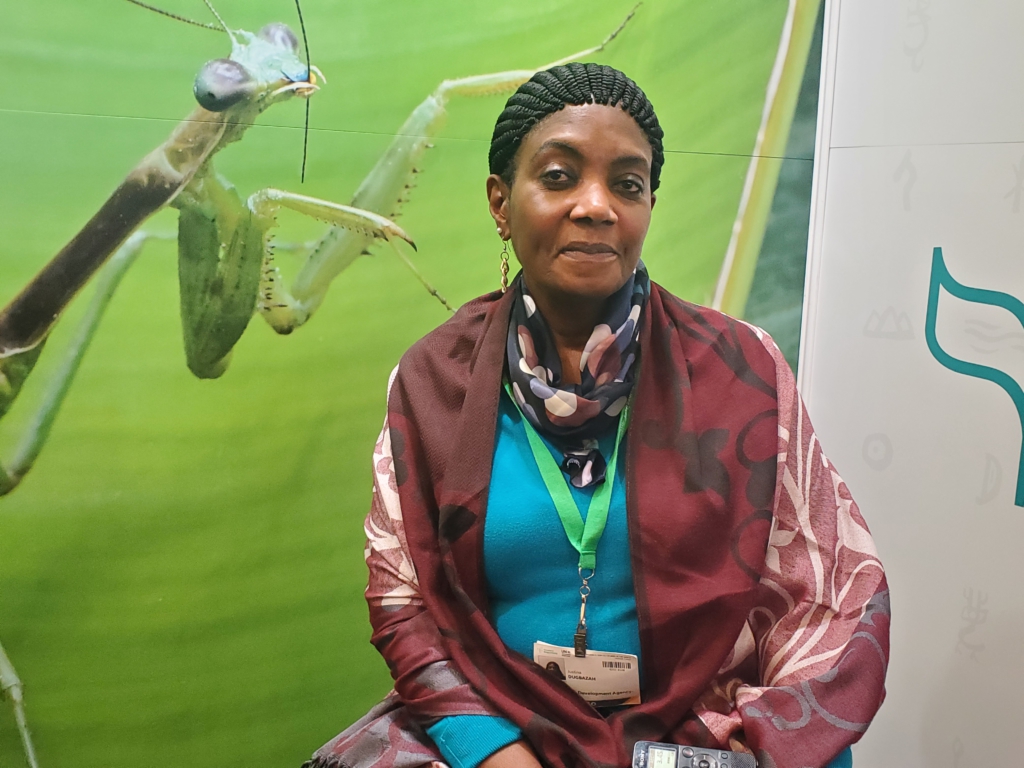
“When you take agriculture, one can talk about drones that help identify the fertility of the soil, water level in the soil, and all that. And also one can look at biotechnology when it comes to crops.
"It's really important for African countries to be involved in negotiating such issues that are crucial to the growth of the countries,” Dr Dugbazah added.
She observed there is a large gap that exists between research and policies across the continent that needs to be fixed.
“There is the need to bridge the research, innovation, and policy gap. And this can only happen if we engage each other in the ecosystem,” she noted.
The 15th meeting of the Conference of the Parties (COP 15) to the Convention on Biological Diversity, deliberated on measures the world needs to take to protect the planet, and avoid situations where living things are destroyed in the environment due to human development activities.
It also served as the 10th meeting of the Conference of the Parties to the Cartagena Protocol on Biosafety (CP-MOP 10), and the Fourth meeting of the Conference of the Parties to the Nagoya Protocol (NP-MOP 4).
During the meeting from 7th to 19th December, governments from around the world came together to agree on a new set of goals to guide global action through 2030 to halt and reverse nature loss.
Dr Daniel Osei Ofosu who is a Research Scientist at the Biotechnology and Nuclear Agricultural Research Institute (BNARI) of the Ghana Atomic Energy Commission (GAEC) observed that one major technology that can help protect the environment is biotechnology or genetically modified organisms (GMO) technology.
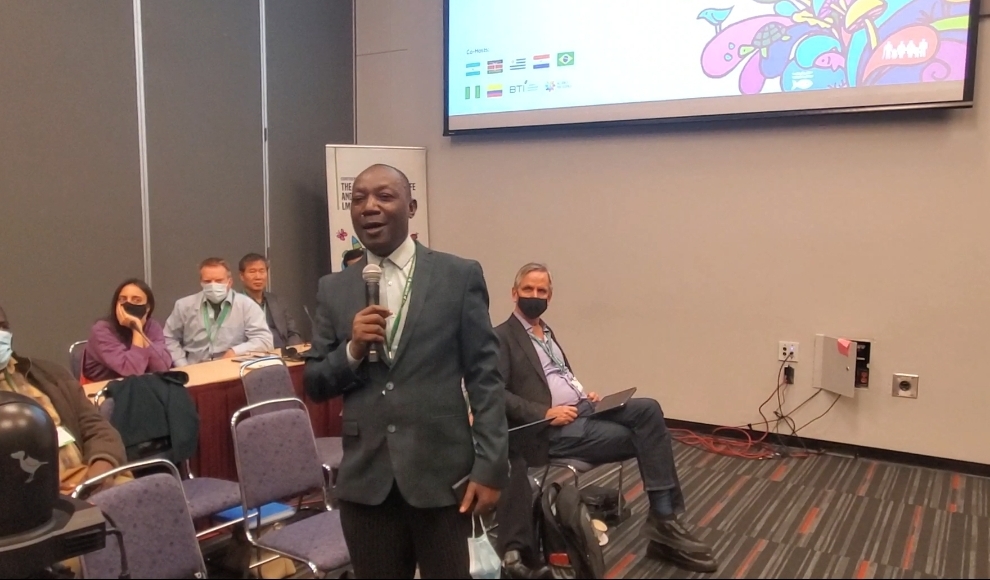
“Essentially, we are looking for innovative tools to help us protect the environment. We cannot continue to look at only the conventional tools that we all have. One of the key drivers of biodiversity loss is the cutting down of virgin forests and the need to expand our farming practices,” he observed.
“Using tools like biotechnology, we are able to produce the best crops on very limited space that reduces the need for us to clear new areas.
"It also helps us to maintain the biodiversity that we have when we reduce the use of pesticides through biotechnology so nontarget organisms are not affected by the use of these pesticides. So innovative tools are necessary to help maintain the biodiversity that we have,” he added.
Chairman of the governing board of Ghana’s National Biosafety Authority, Prof. Charles Antwi-Boasiako, told a side event at the conference that Ghana is already adopting biotechnology and GMO tools to help improve agriculture and preserve the environment.
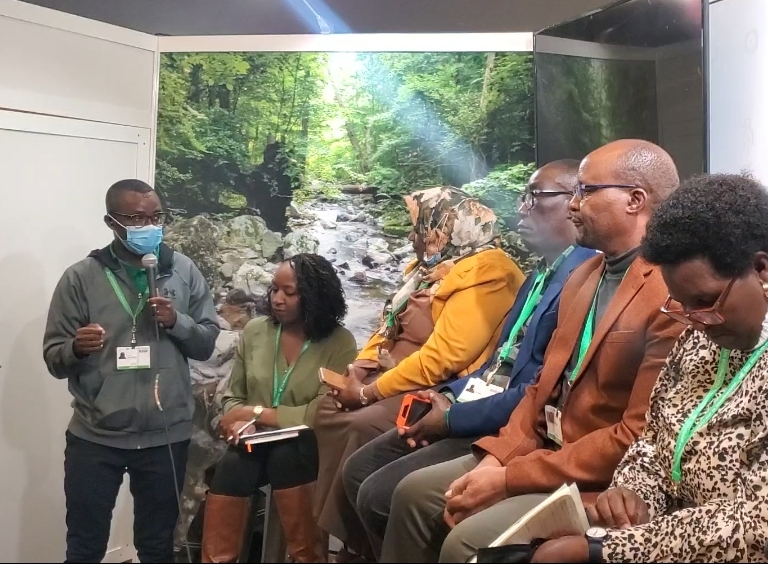
“Ghana approved genetically modified cowpea (which is resistant to some pests) for consumption in 2022. Next year, approval will be given for GM rice (which is nitrogen efficient, water-use efficient, and salt tolerant),” he said.
Environmental Group calls for end to forest destruction in Ghana
In a separate development, the National Director of A Rocha Ghana Seth Appiah-Kubi who also participated in the conference in Montreal told Joy News the Ghana government needs to develop more consistent policies to help protect the country’s forests from destruction.
“We know government means well but most times there is the policy inconsistencies and that is the bane of the effort to protect diversity," he observed.
“I'm sure that the Minerals Commission and Forestry Commission were not put in the same ministry for nothing. It's no coincidence. I think the intention of those who framed that arrangement was to make sure that there is cohesion. But what do we see? We see conflicts in policy," he added.
"So in one breadth, we are signing an agreement that says that we want to reduce deforestation. But in another breadth, we want to mine a forest or destroy forests.
"Then in another sense, we're doing Greening Ghana and planting trees. So we cut down trees that are over a hundred years and then try to plant new trees," he noted with worry.
Latest Stories
-
GH¢70k is no ordinary gift, it raises serious ethical questions – Edem Senanu
5 minutes -
Accra-Kumasi Expressway will be Ghana’s biggest infrastructure project – Kwakye Ofosu
19 minutes -
Cape Coast pulses with colour, sound ahead of Fetu Afahye
20 minutes -
Nigerians die after inhaling toxic fumes during alleged pipeline theft, community group says
20 minutes -
CSSPS placement results to be released tonight at 10:00 pm
20 minutes -
Accra-Kumasi Expressway to be fully funded locally – Government
22 minutes -
US diesel prices hit an all-time-high
25 minutes -
Horticulture Expo: Gov’t targets stronger agric value chain to boost horticulture exports
28 minutes -
Reckless driving incidents fall by 38% across Africa – Yango report
28 minutes -
It is ‘FAKE’ – Patricia Appiagyei reacts to memo alleging rejection of GH¢70,000 money
31 minutes -
ICE agent charged with lying about shooting Venezuelan man during crackdown
31 minutes -
Police arrest landlord’s wife for allegedly biting tenant’s ear during a fight
35 minutes -
US diesel prices hit a record high, pushing up transportation costs for a long list of goods
37 minutes -
300 entrepreneurs in Bono East battle for MTN-Innohub SME Support as programme enters 4th year
51 minutes -
Lawyer sues AG, GRA boss over passenger baggage exemption rules
53 minutes