

Audio By Carbonatix
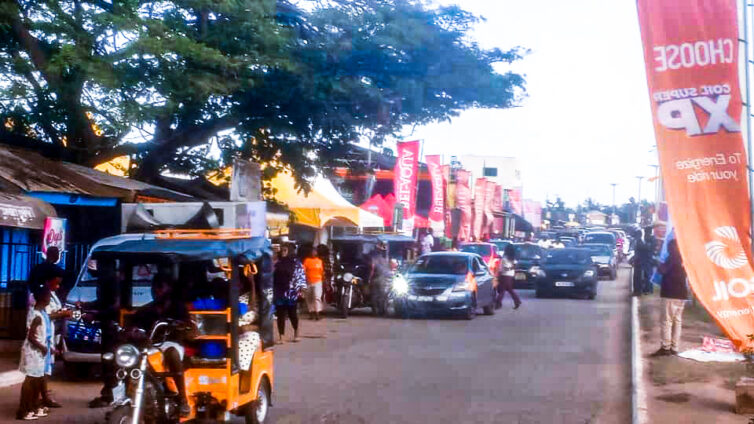
The ancient city of Cape Coast has been transformed into a carnival of colour, sound and commerce as thousands of revellers, traders and artisans have taken over the streets ahead of the 2026 Oguaa Fetu Afahye.
With this year’s theme, “Heritage, Resilience and Prosperity,” the celebratory mood has already been set.
The Ga Mantse, King Tackie Teiko Tsuru II, is scheduled to attend the grand durbar of the festival on Saturday, reflecting a bold reminder that the festival remains both a living cultural inheritance and an engine for local livelihoods.
The festival mood, a mix of sacred observance and street-level entrepreneurship, has led people from across the region and beyond to troop into Cape Coast to sell, perform and celebrate.
From event organisers and exhibitors at the trade fair to small traders frying plantain or yam on street corners, everyone seems to be cashing in on Afahye’s pull as a cultural magnet that turns heritage into livelihoods.

From the busy Kotokuraba Central Business District through Starlet 1991 Street, past Mfantsipim Junction and onto the forecourt of Adisadel School Park, makeshift pubs and eateries have mushroomed in beautiful fashion.
The main street in the Adisadel community joining Pedu Junction in particular hosts a cluster of magnificent pop-up venues where DJs, live bands and drumming groups keep the party going from dusk to dawn.
Between Pedu roundabout and Adisadel South Gate alone, the Ghana News Agency (GNA) counted roughly 50 eateries and pubs. Tables, umbrellas and temporary bars squeezed close together while loud music and laughter turned the stretch into a vibrant, moving spectacle.
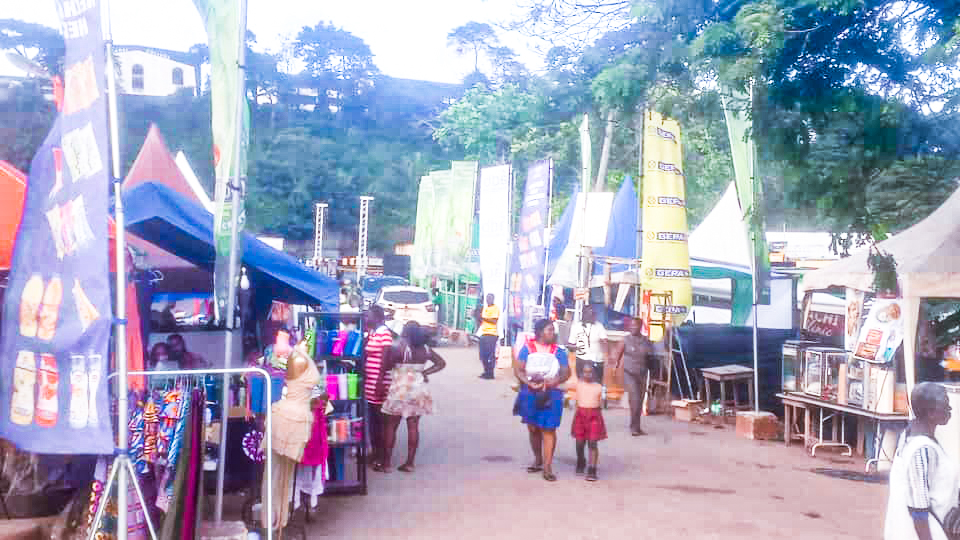
The forecourt of Siwdo Park, once overgrown with weeds, has been cleared and converted into a bustling forecourt of pubs and leisure spots, and the air is thick with the aroma of grilled fish, roasted yam and spices.
Along the main arteries, traders sell chilled drinks from coolers, while street chefs fry and flip local favourites for festival-goers who stream past.
At the Sahara Pub, a popular joint at the city centre, an official who asked not to be named told the Ghana News Agency (GNA) the team had been working round the clock to meet demand.
“We’ve increased stock of cold drinks, local beers and finger foods, hired extra staff and set up additional seating to handle the crowds,” the official said.
He added: “We expect sales to at least double over the peak in two days, and we’ve made contingency plans to keep service smooth.”
The festival’s boom has been a windfall for local artisans, masons, carpenters, decorators and electricians are cashing in by erecting temporary structures and stages at vantage points across the city.
Skilled hands raised decorative archways, fashioned sturdy timber bars and wired lighting rigs that wash streets in orange and gold.
The construction flurry is obvious in every market lane and public square as contractors race to complete last-minute installations that will host events and performances from Thursday through Sunday.
The street from the Ekon Junction through Tantri, Ntoto, Pedu Junction to the Orange House (Cape FM) in Abura, the organisers of the Orange Friday carnival are decorated in bright orange.
Light posts and vantage locations are draped in the festival colours as traders selling orange dresses and accessories say demand has surged.
“I sold out of my first batch in a day,” Ms Ama Amissah, a trader, told the GNA at the Bakaano Roundabout, adding that she had already ordered more to meet the weekend rush.
At various lorry terminals across Cape Coast, the GNA observed scores of people arriving within minutes as buses rolled in from across the country.
A driver, Mr Daniel Boateng, said he made extra trips to cope with passenger demand, while a passenger, Ms Lydia Quartey, arriving from Saltpond, said she came early to avoid the Friday crowds.
Near Melcom on Kingway Street, the GNA encountered female tricycle rider, Ms Mercy Annan, who said business had been brisk.
“I’m picking up passengers almost every minute and making good returns; today is one of my best days this year,” she said, wiping sweat from her brow with a smile.
Managers at several hotels and guest houses, who pleaded anonymity, told the GNA that bookings had filled rooms well in advance and they were operating at full capacity.
Many said they had put on extra staff and adjusted meal service hours to accommodate the large influx.
Abura, now an emerging heartbeat of Cape Coast commerce, bustled with brisk trade amid heavy vehicular and human congestion.
Market stalls overflowed and traders loudly advertised for the attention of passersby, while transport operators navigated packed roads as shoppers and visitors jostled for space.
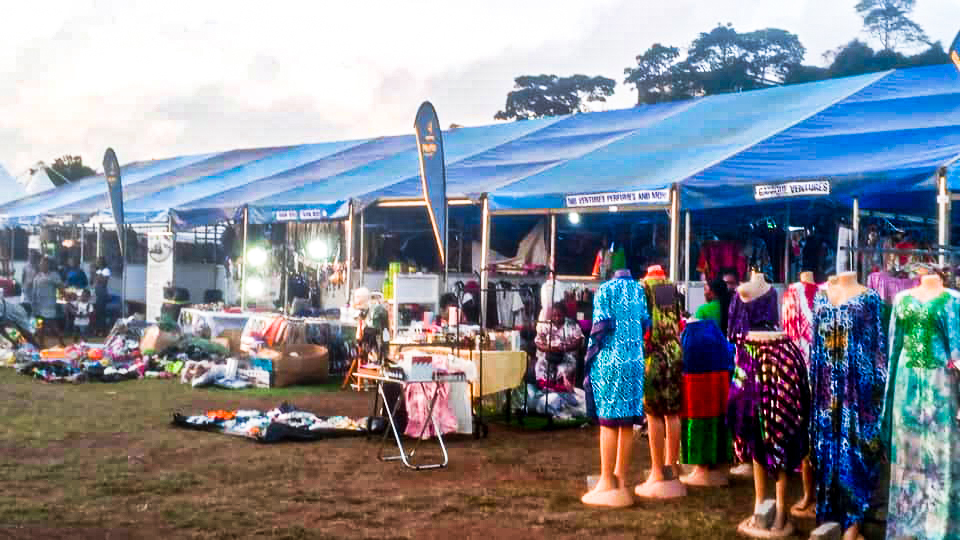
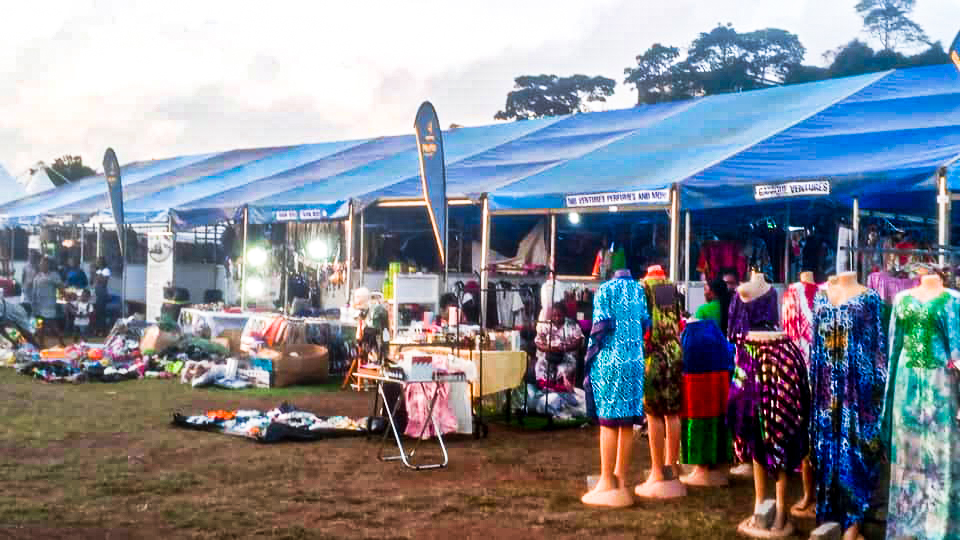
Adding to the festive colours is the Central Region Trade and Investment Fair, a formal showcase that has attracted manufacturers, agribusinesses, artisans and service providers at the Adisadel School Park.
Stalls brim with shea products, textiles, processed foods and handicrafts; investors and buyers roam the aisles taking orders and exploring partnerships.
The fair has become an important complement to Afahye, giving local companies exposure and enabling small-scale producers to scale up sales during the festival rush.
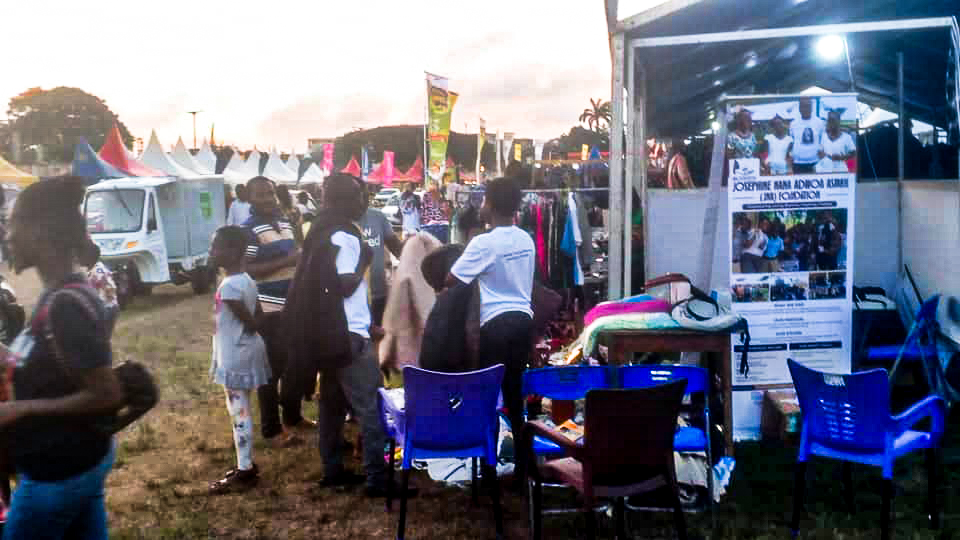
Opening rites and the pouring of libation at traditional shrines and cultural troupe performances kicked off Thursday’s activities, capped by the inauguration of the Central Region Trade and Investment Fair.
On Friday, street parades, drumming processions and masquerade displays will run alongside business forums and exhibition panels at the fair, with evening concerts in the Adisadel and Kotokuraba precincts.
Saturday features a grand durbar of chiefs in full regalia and public thanksgiving rites, followed by youth dance competitions, musical concerts and late-night pub events that keep the city alive until dawn.
Oguaa Fetu Afahye is a centuries-old festival of the Oguaa (Cape Coast) people that marks thanksgiving, cleansing and the renewal of communal bonds.
Rooted in traditions that predate colonial rule, Afahye combines religious rites at ancestral shrines, processions led by chiefs in rich regalia and days of public celebration that reaffirm civic identity.
This year's Afahye blends these solemn customs with modern entertainment and commerce, sustaining cultural continuity while creating economic opportunities for traders, performers and host communities.
Latest Stories
-
Hubtel CEO calls for national data-sharing framework to boost AI development
2 seconds -
Twelve Golden Rules of real estate development in Ghana, Africa
4 minutes -
Five new telephony cell sites in Ashanti Region to be activated in October 2026 – Sam George
5 minutes -
Mahama cuts sod for Afienya Industrial Park, targets 120 enterprises
10 minutes -
Rush for fuel from accident tankers is stealing, punishable by law – NPA boss, Edudzi Tamakloe
15 minutes -
GhIG pushes for legislation to regulate geoscientists’ activities
21 minutes -
Mfantsipim @150: Ace Anan Ankomah leads project to preserve school’s musical heritage
25 minutes -
Gov’t launches rCOMSDEP in Ahanta West, Mpohor Fiase to promote responsible community mining
27 minutes -
AI is forcing professionals to rethink how they deliver value – Hubtel CEO
30 minutes -
Daily Insight for CEOs: Strengthening the CEO’s Leadership Legacy
31 minutes -
Jimmy Aglah’s ‘When the River Testified’ approved by NaCCA as Supplementary Reader
40 minutes -
Hubtel willing to contribute to Ghana’s proposed AI fund – CEO
44 minutes -
Nkrumah family pays tribute to Gamal, says he died after prolonged illness
53 minutes -
Police arrest eight suspects in anti-narcotics operation at Okaishie Drug Lane
1 hour -
Former Krowor chairman pledges grassroots empowerment in NDC regional chairmanship bid
1 hour