

Audio By Carbonatix
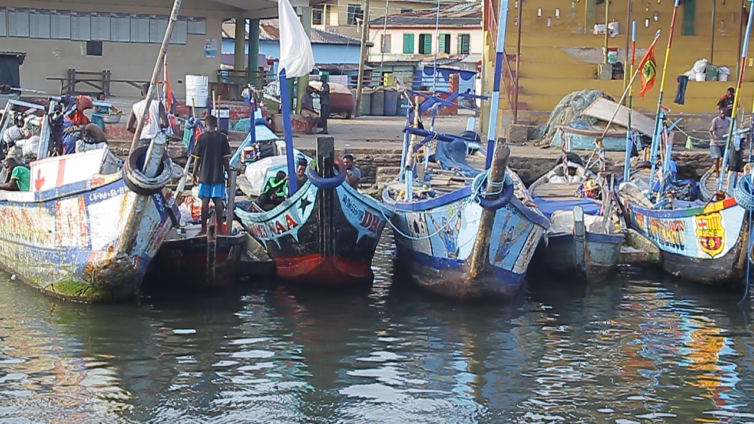
Ghana's coastline stretches 550 kilometers, brimming with untapped economic potential. Yet, for decades, our marine economy has been narrowly focused on fishing - a sector now in crisis due to overexploitation and illegal fishing.
Meanwhile, coastal tourism, a global trillion-dollar industry, remains underdeveloped despite Ghana's golden beaches, rich cultural heritage, and vibrant coastal communities.
As a former leader in heritage preservation and tourism enthusiast, I argue that Ghana must pivot decisively toward coastal tourism while strategically reforming fisheries to ensure long-term sustainability. The numbers don't lie: tourism offers higher revenue, more jobs, and greater resilience. The question is whether our policymakers will act - or let another economic opportunity slip away.
The Global Landscape: Fishing vs. Coastal Tourism
- Economic Value
Fishing Industry: A Declining Lifeline
- Global Market: Approximately $253 billion (2023), with aquaculture growing but wild fisheries shrinking.
- Ghana's Share: Once a regional leader, Ghana's fisheries now contribute about $1.5 billion annually, down from $2 billion a decade ago due to overfishing and illegal trawling.
- Key Problem: Foreign vessels (particularly Chinese trawlers) engage in Illegal, Unreported, and Unregulated (IUU) fishing, costing Ghana $200 million yearly in lost revenue.
Coastal Tourism: The Sleeping Giant
- Global Market: Approximately $4.7 trillion before COVID-19, rebounding strongly.
- Ghana's Share: A mere $3 billion in total (2023), despite having better beaches which account for little.
- Untapped Potential: Our coastline could generate $10 billion+ annually with proper investment in resorts, cruise tourism, and cultural attractions.
Verdict: Tourism is 1,800% larger globally than fishing - why is Ghana still betting on a dying industry?
- Employment: Quality vs. Quantity
Fishing: A Sector in Distress
- Jobs: About 2.5 million Ghanaians depend on fisheries, but stocks are collapsing.
- Challenges: Most jobs are informal, low-paying, and dangerous (e.g., hazardous sea conditions, child labor in processing).
- Future Outlook: Without drastic reforms, half of these jobs could disappear in 10 years.
Tourism: A Job Multiplier
- Jobs: Already about 700,000 Ghanaians work in hospitality, but coastal tourism could triple this number.
- Diverse Opportunities: Hotels, tour guides, artisans, transport, and entertainment - all higher-skilled and better-paying than fishing.
- Case Study: Dakar's beaches attract 10x more tourists than Accra's, creating several formal jobs.
Verdict: Tourism creates more, better, and sustainable jobs - exactly what Ghana's youth need.
Sustainability: Which Industry Has a Future?
Fishing: On the Brink of Collapse
- Overfishing: 33% of global fish stocks are overexploited; Ghana's small pelagic stocks (sardines, mackerel) have declined by 80% since 1990.
- Climate Change: Rising sea temperatures disrupt fish breeding, worsening shortages.
- Solution? Shift to aquaculture (fish farming), but Ghana invests less than $50 million/year - far below Nigeria ($300m) and Egypt ($1bn).
Tourism: A Renewable Resource
- Beaches Don't Deplete: Unlike fish, Ghana's coastline is a permanent asset - if maintained.
- Eco-Tourism Boom: Global travelers increasingly seek green, cultural, and community-based tourism - Ghana's forts, festivals, and fishing villages are perfect for this.
- Threats: Poor sanitation (e.g., plastic pollution) and weak infrastructure (e.g., no 5-star beach resorts).
- Tourism is a 24 hour operation which aligns perfectly with the agenda of the current government.
Verdict: Fishing is fighting for survival; tourism is waiting for investment.
A Blueprint for Ghana's Marine Economy
- Immediate Tourism Investments
- Public-Private Resorts: Lease beachfront lands to international hotel chains (e.g., Radisson, Marriott) with local employment quotas.
- Cruise Tourism: Develop Takoradi and Tema ports as cruise destinations (like Senegal's Dakar).
- Festival Economy: Expand Kundum, Hogbetsotso, and Panafest into major tourist draws.
- Fisheries Reform: A Managed Transition
- Ban IUU Fishing: Deploy naval patrols and satellite surveillance (as Seychelles does).
- Aquaculture Zones: Designate Volta and Central Regions for fish and shrimp farming.
- Alternative Livelihoods: Train fishers in boat tourism, seafood restaurants, and handicrafts.
- Avoid Past Mistakes
- No More Zoomlion-Style Monopolies: Contracts must be competitive, transparent, and performance-based.
- Community Involvement: Coastal towns must own and benefit from tourism projects - not just be spectators.
Conclusion:
We stand at a crossroads: continue clinging to a dying fishing industry or embrace tourism as the future of our marine economy. The data is clear - tourism wins on jobs, revenue, and sustainability.
By Kwame Sowu, Former Board Chairman, Ghana Museums and Monuments Board
Latest Stories
-
WIWIK launches new leadership development pathway for Ghanaian university students
18 minutes -
Public basic schools resume today after strike suspension
25 minutes -
Environment Minister calls for transparency in Ghana’s GMO adoption
32 minutes -
Ghana risks 10% to 100% tariffs on exports to US under Trump’s threats as it moves to join BRICS
47 minutes -
US imposes sanctions on ICC hours after former judge wins Nobel Peace Prize
2 hours -
South Africa withdraws asylum directive after anti-migrant violence
2 hours -
Moroccan king says migration cooperation model with Spain hit limit
2 hours -
Libya’s military seizes narcotics after firefight with smugglers
3 hours -
At least 139 migrants dead, including some children, after boat from Djibouti to Yemen capsizes, UN agency says
3 hours -
“US Embassy introduced TRIBE Culture Fest to NSA, GTA” – Kofi Adams
3 hours -
“NSA did not tell us of any embassy arrangement” – Kofi Adams
3 hours -
Kumasi records third commercial fire in three days
4 hours -
Trump faces growing backlash over plans to import diesel from Russia
5 hours -
AI is less regulated than milk, says Microsoft president
5 hours -
Boots sold in £7bn deal to Canadian billionaire family
5 hours