

Audio By Carbonatix
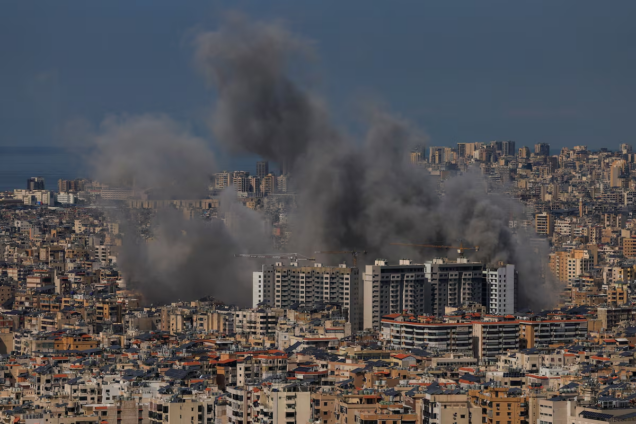
A new analysis shows that greenhouse gas emissions from the first 14 days of US and Israeli military attacks on Iran have exceeded 5 million tonnes of carbon dioxide.
This figure is higher than Iceland’s total emissions in 2024 and is also equivalent to the pollution produced by about 1.1 million gas-powered cars over a year and represents over $1.3 billion in climate-related damage, according to the analysis.
Published by the Climate Community Institute, the study by USA, UK and Ghana-based researchers Patrick Bigger, Benjamin Neimark, and Fred Otu-Larbi finds that the US and Israeli attacks have already killed thousands, displaced millions, and cost the US an estimated $16.5 billion.
Environmental harm from bombardment of oil refineries, desalination plants, and military facilities could double or triple in the next ten days, the authors warn. They emphasize that greenhouse gas emissions from war are often overlooked, despite being a major part of the humanitarian and economic damage. The study follows methods previously used to calculate climate impacts in Gaza and Ukraine.
The report highlights several factors that will drive emissions higher including the production and transport of new weapons as arsenals are depleted, uncontrolled burning of fossil fuels during attacks on oil infrastructure, and potential involvement of additional countries, such as France and the UK, in military operations.
The analysis also warns that the largest climate impact will come after the conflict. Expanding fossil fuel production in the name of energy security could lock in emissions for decades.
Rebuilding destroyed infrastructure across 14 countries from Cyprus to Azerbaijan including homes, roads, hospitals, schools, and energy facilities, will produce far more emissions than the war itself.
The study finds that reconstructing Gaza and Lebanon could generate at least 24 times the emissions of the conflict. In Ukraine, reconstruction produced 56 million tonnes of carbon dioxide, costing over $43 billion.
The study also notes that the war’s economic burden will hit working people, as energy price increases affect fuel, heating, food, and other essentials. Rising costs may lead to austerity and reduced investment in climate action. The authors conclude that the environmental and social consequences of the conflict will last for decades. “People in Iran and across the planet will continue to suffer the consequences,” the report warns.
Latest Stories
-
“No Nation is Inferior”: Mahama champions human dignity and security council reform at the UN
3 minutes -
Manhyia South residents, NPP executives fume over botched EOCO arrest of MP
13 minutes -
Mahama unveils new deal with global philanthropy
20 minutes -
Daily Insight for CEOs: Building customer-centric leadership
28 minutes -
Democracy must deliver food, jobs and healthcare, not just elections – Mahama
28 minutes -
Capacity constraints must never be a barrier to restitution – Mahama
29 minutes -
COMAC pushes for suspension of sections of Customs Act 2026
31 minutes -
Mahama calls for Great African Museum to anchor continent’s heritage revival
34 minutes -
Mahama cites return of Mpomponsuo sword as model for restitution
35 minutes -
Mahama: Africa must inherit more than the story of what it lost
37 minutes -
Mahama pushes for permanent UN system for restitution of African artefacts
39 minutes -
Ghana is arguably Africa’s most stable democracy, says Mahama
40 minutes -
Mahama calls for investment in Africa’s cultural infrastructure
40 minutes -
‘Africa’s cultural heritage story must continue with its return’ – Mahama insists
44 minutes -
Some reporters denied White House access despite judge overturning Trump media ban
44 minutes