

Audio By Carbonatix
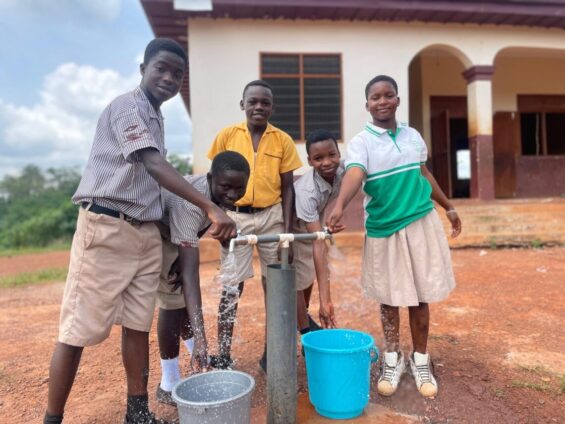
More than 50,000 people across the Eastern Region and Ahafo regions are now benefiting from improved access to safe and reliable water. Communities that once depended on unsafe and distant water sources now enjoy a safer and more reliable supply. In some areas, households have even been connected directly to clean water.
This project was made possible through a partnership between World Vision Ghana and Polytank Ghana Limited.
The intervention has eased the daily burden of walking long distances in search of water, while also reducing cases of water-related illnesses. Parents and teachers also report improved school attendance and better concentration among children.
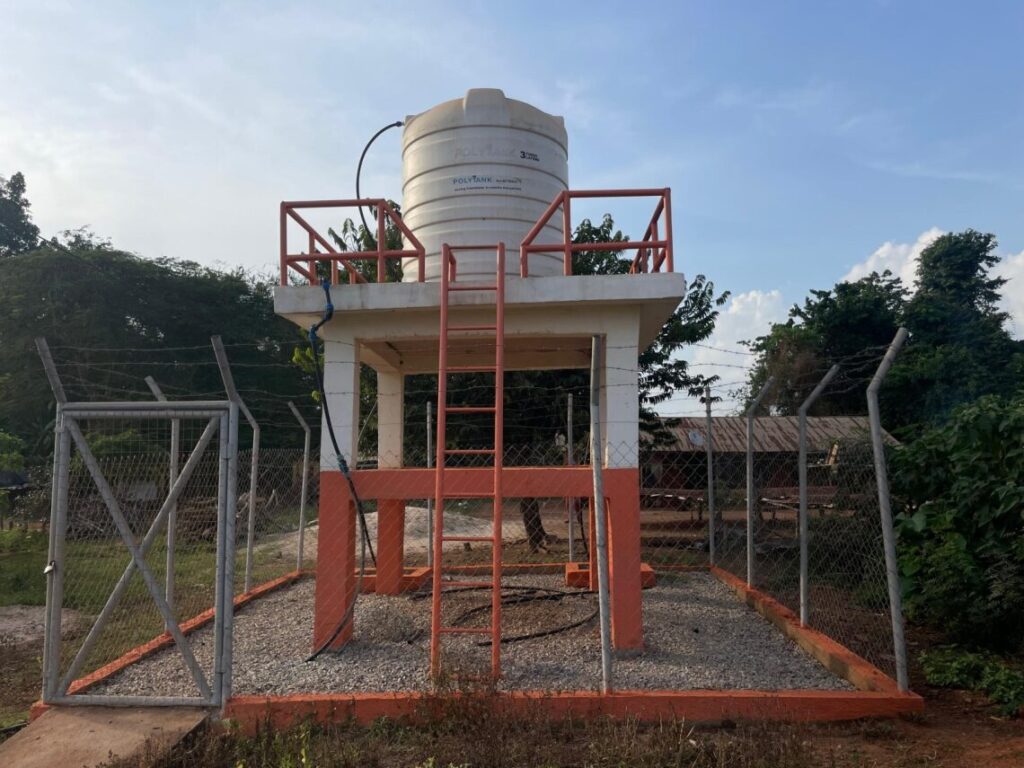
As part of the project, Polytank Ghana Limited supplied 26 high-capacity polytanks under its corporate social responsibility commitment. The tanks have supported the construction, rehabilitation, and expansion of water systems in several communities. The initiative forms part of the Ahafo Region Integrated WASH Program (ARIWP), aimed at expanding access to clean water in underserved communities, schools, and health facilities.
In total, 26 communities in the Asutifi North and Asunafo North districts, now have improved water services. In the Eastern Region, six communities in Fanteakwa have also benefited from emergency water interventions, reaching more than 5,000 residents who previously relied on unreliable water sources.
In addition, thirty basic schools serving over 12,000 pupils now have access to dependable water systems. At Akorsakrom Basic School, a previously existing hand pump has been upgraded into a solar-powered mechanised system with a standpipe on campus, ensuring students have clean water throughout the school day.
Health facilities have also seen improvements, with eight clinics and health centres now equipped with reliable water supply. This has strengthened hygiene practices, infection prevention, and maternal and child health services.
World Vision Ghana says the partnership demonstrates the importance of collaboration between development organisations and the private sector in addressing basic needs. It added that access to clean water remains key to improving health, education, and overall community development.
Latest Stories
-
GNPC Explorco advances Voltaian Basin drilling preparations with 13.5km access road
1 minute -
Minority calls for dedicated sanitation fund to improve waste management in Ghana
24 minutes -
Cabinet approves facility manager for Borteyman Sports Complex – Kofi Adams
51 minutes -
Sanitation is improving; critics may be ‘living in another world’ – Salaga South MP replies Bekwai MP
58 minutes -
Government must do more to tackle sanitation crisis – Bekwai MP
58 minutes -
World Cleanup Day: GFF begins sanitation education in local communities
1 hour -
EU Ambassador, IGP discuss stronger cooperation on policing and security
1 hour -
Africa Nations Volleyball Championship: Ghana set up quarterfinal clash with Cameroon after beating Chad
2 hours -
Meet Dr Benjamin Appiah Osei — Ghana’s three-time tourism awards winner
2 hours -
UEFA & CONCACAF demand Fifa pays $10m to all 211 members
2 hours -
Inter fight back again to snatch draw at leaders Roma
2 hours -
Suzuki proves worthy replacement for Martinez at Villa
2 hours -
Brighton humbling ‘a big lesson’ for Arsenal – Arteta
2 hours -
Arsenal handed first loss by brilliant Brighton
3 hours -
VIDEO: Akwatia MP ‘clashes’ with Kofi Bentil over 3.9-tonne cocaine seizure
3 hours