

Audio By Carbonatix
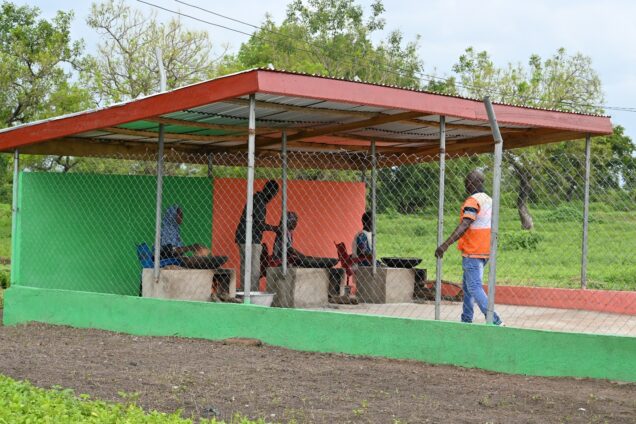
Women in Kakoshi and Lamsi and nearby communities in the East Gonja District of the Savannah Region are seeing major improvements in their health and livelihoods following the introduction of cleaner cooking technology.
For years, women in these communities in the region processed cassava into gari using firewood and open fire methods that exposed them to heavy smoke and harmful gases. The practice not only affected their health but also contributed to deforestation and took time away from other economic activities.
A new initiative, the Eco-Flame Project, is now changing that.
The project is a joint initiative between World Vision Ghana and Vivo Energy, and it aims to support national efforts to adapt to climate change by promoting the use of energy-efficient stoves. The project aims to lower indoor air pollution and support sustainable livelihoods.
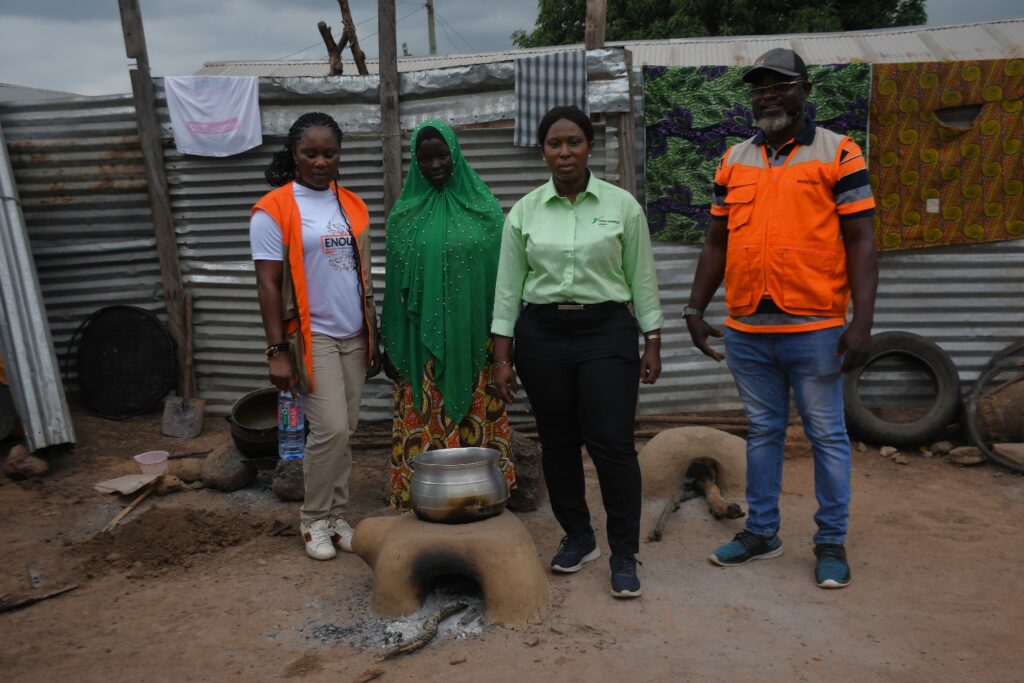
More than 200 women have been trained to build, use, and maintain the stoves. As a result, gari production is now faster, cleaner, and more efficient, helping to increase incomes.
“Our old clay stoves used to give us a lot of sickness, but the modern stoves built by World Vision and Vivo Energy have brought a lot of relief, and we are grateful,” said Azara Tahiru, a beneficiary.
With many households now using the improved stoves, residents say cases of cough and eye irritation have reduced significantly. Fuel wood use per gari roasting batch has fallen significantly. Also, smoke exposure has been virtually eliminated, freeing women from chronic coughs and eye infections. Gari roasting time has halved, and product quality has improved, boosting yields and income.
Project leaders say the initiative is also creating new opportunities, with some women training others and starting small businesses around stove construction. Corporate Communication Manager of Vivo Energy Ghana, Shirley Tony Kum, during her visit to Kakoshi, emphasised the vision for sustainability, project ownership, and potential scale-up across other communities.
This project directly supports Ghana’s Gender policies on gender equity, clean and affordable energy, health protection, and environmental stewardship, in alignment with SDGs 3, 5, 7, 13, and 15. It demonstrates an integrated model where energy-efficient stove technology is linked with women’s skills training, enterprise creation, and local leadership, producing real gains in respiratory health and income across Kakoshi and Lamsi
Latest Stories
-
Gender Ministry meets Nana Akua Addo’s husband over domestic violence after hospital discharge
32 minutes -
UG Vice-Chancellor urges swift operationalisation of National Research Fund
50 minutes -
Pope Leo to have surgery after lump found in lung
57 minutes -
Joseph Cudjoe writes: Ghana must break free from the dangerous mindset that natural resources are the foundation for wealth
1 hour -
Children among 109 dead after boat capsizes off Djibouti, UN says
1 hour -
OmniBSIC Bank’s 11th health walk promotes fitness and business growth
2 hours -
2026 World Maritime Day: Danish Embassy organises “The Gulf of Guinea Speaks”
2 hours -
New Economy will tackle unemployment and restore hope – Ato Forson
2 hours -
IMMILAC president recounts personal losses as security women lead breast cancer awareness campaign in Wa
2 hours -
University of Ghana postpones October 12 reopening as GAUA strike persists
2 hours -
Bahass Foundation launches vocational skills training to support mental health recovery in Wa
3 hours -
NPP orders parliamentary aspirants and their supporters to suspend campaign activities
3 hours -
Techiman unites against child marriage: Joy Impact Makers Awardee leads charge on International Day of the Girl Child
4 hours -
Ghana Psychological Association calls for greater involvement of people with lived experience in mental health care
5 hours -
Ablakwa says Ghana could evacuate more citizens from South Africa if the situation worsens
5 hours