

Audio By Carbonatix
Something curious is happening in Ghana's marketplaces, salons, and small shops. The "Cash Only" sign is creeping back into view, without much fanfare. A few years ago, every serious business wanted a Mobile Money number posted on the wall, and customers were proud to pay by tapping their phones. Today, the mood has shifted, and many business owners are quietly opting for the familiar weight of cedis over the convenience of digital payments. The question worth asking is why.
The Fee Problem That Never Went Away
Digital payments in Ghana carry costs that businesses can no longer absorb in silence. Every transaction trims a slice from already thin margins, and for traders who sell low-value items in high volumes, those slices add up to real money lost at the end of each month. The E-Levy may have softened in public memory, but the broader culture of charging customers and merchants for moving their own funds remains firmly in place. Cash, by comparison, asks for nothing once it lands in the till.
Network Failures and Broken Trust
Ghanaian business owners have grown tired of hearing "network is down." A failed transaction on a busy afternoon can stall a queue, frustrate loyal customers, and leave the trader unsure whether the money is coming or gone. When a payment hangs in limbo for hours or even days, the business bears the stress while the telco offers little more than a reference number. Cash removes that uncertainty entirely, since once it is in your hand, no system can swallow it.
The Rise of Payment Scams
Fraud has grown smarter and bolder across Ghana's digital payment ecosystem. Fake payment alerts, doctored screenshots, and reversed transactions have caught many traders off guard, especially those who do not have time to verify every notification. A small business owner who loses a single big sale to a scam can spend weeks recovering, and word travels fast in trader circles. Once trust breaks, cash becomes the safer language to speak.
Record-Keeping and Tax Pressure
Digital payments leave footprints, and many small businesses in Ghana have realized that those footprints can be followed. As tax authorities sharpen their tools and demand clearer records of revenue, some traders have grown wary of leaving a complete digital trail of every cedi earned. Cash offers a kind of breathing room that fits the informal rhythm of how many businesses still operate. Whether one agrees with this reasoning or not, it is a real driver of the shift.
Customers Are Also Choosing Cash
Businesses are not making this choice alone, as customers are quietly leading the way, too. Many Ghanaians have started carrying cash again because they feel more in control of their spending when they can see and feel it leave their hands. Budgeting on Mobile Money can blur the line between needs and wants, and a growing number of shoppers want that line back. When customers reach for cash, businesses naturally follow.
Conclusion
The return to cash in Ghana is not a rejection of digital finance, but a clear message that the system still has work to do. Fees feel heavy, networks feel unreliable, fraud feels too close, and trust feels too thin. Until those problems are addressed with the seriousness they deserve, the quiet hum of cash changing hands will continue to grow louder across the country. Ghana wanted a cashless future, yet the future seems to have its own opinion.
*******
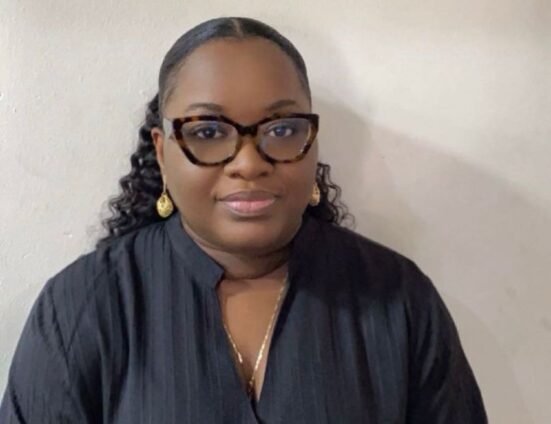
The writer: Dr. Genevieve Sedalo, Department of Marketing, University of Professional Studies, Accra
Latest Stories
-
Agyemang-Badu urges GFA, Sports Ministry to disclose Carlos Queiroz’s contract terms
4 minutes -
Ghana and Panama sign MoU to deepen bilateral political consultations and cooperation
8 minutes -
Black Stars: Mohammed Fuseini receives late call-up for September-October games after head injury
14 minutes -
Traders reselling GH¢25k Kejetia phase one shops for up to GH¢120k — Local Government Ministry
25 minutes -
Korle Bu begins work on 400-bed Mother and Child Block with IVF, NICU and theatres
35 minutes -
Mahama discusses potential Open Society Foundations support for ECOWAS integration
38 minutes -
IGP, Savannah Regional Minister visit Gbindabuor as 36 suspects assist police investigations
41 minutes -
Carlos Queiroz sets 2027 AFCON qualification as Ghana’s immediate Black Stars target
1 hour -
When oil rises but the pump does not rise as much
1 hour -
Starting a business in Ghana as a young man is tough – HR practitioner
2 hours -
Nkrumah’s policies should inform Ghana’s development — UG African Studies Director
2 hours -
Ghana Evangelical Missions Association urges Christian leaders to preach against galamsey and intensify advocacy
2 hours -
Buipe Hausa Festival: National President Tafida calls for vigilance, unity, and youth reform
2 hours -
Government urges domestic airlines to reduce airfares after duty exemptions
2 hours -
Beyond vehicle age: Why Ghana needs a smarter vehicle import policy
2 hours