

Audio By Carbonatix
The University of Professional Studies, Accra (UPSA) has led a national conversation on regulating Ghana’s fast-growing digital asset space, with experts calling for a balance between innovation, consumer protection and financial stability.
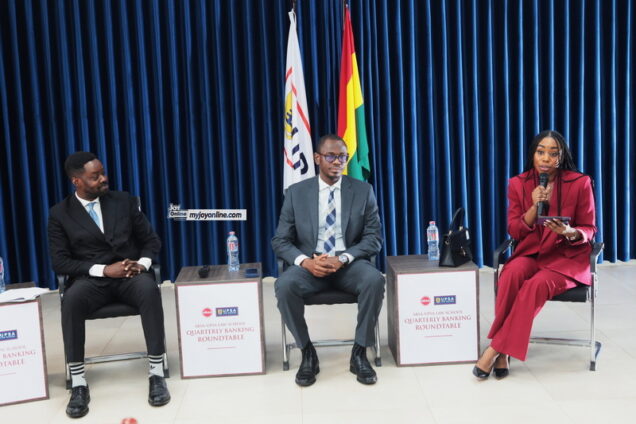
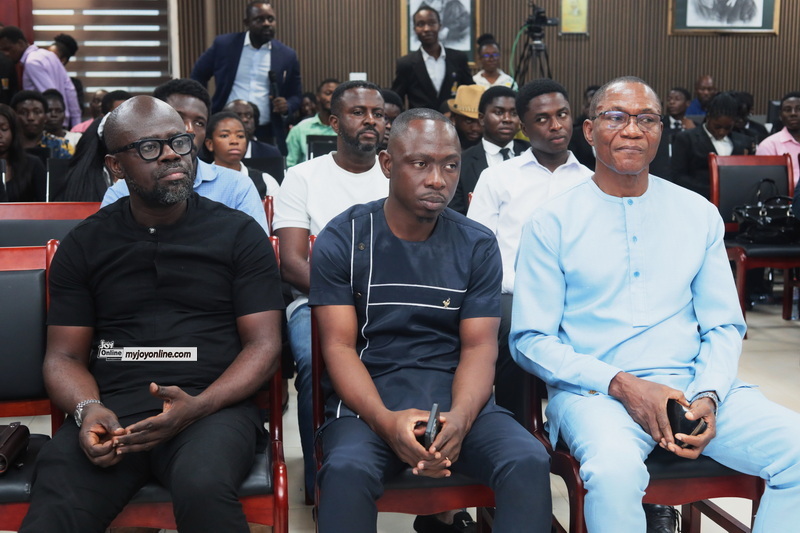
The 2026 edition of the 14th Absa-UPSA Law School Quarterly Banking Roundtable brought together resource persons with extensive expertise in capital markets and digital asset management.
The forum, which was organized by the UPSA Law School in partnership with Absa Bank Ghana on the theme: “Digital Assets Regulation in Ghana: Navigating Opportunities and Risks.
The Acting Head of the Virtual Assets Department at the Bank of Ghana, Mr. Philip Kwaw Sebuabe, was represented by Mr. Tahiru Alhassan, Head of Oversight and Compliance of the Virtual Assets Department, Bank of Ghana.
Speaking on his behalf, Mr. Alhassan said Ghana’s new Virtual Asset Service Providers Act adopts a risk-based and technology-neutral approach. According to him, the law avoids both an outright ban and a completely unregulated market.
He explained that regulators used a pre-legislative policy sandbox to study emerging business models before finalizing the operational framework. “Consumer protection remains central to the regime,” Mr. Alhassan stated.
He outlined requirements on capital adequacy, custody of client assets, and strict compliance with anti-money laundering and counter-terrorist financing rules.
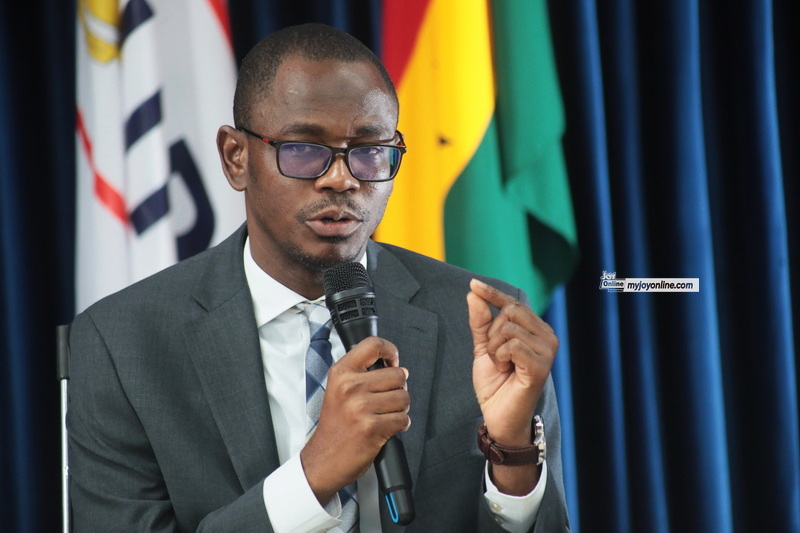
Fintech law expert and Co-Founder of Asiedu & Yorke, Kwesi Dadzie-Yorke Esq., described the Act as a major step toward giving the digital asset sector regulatory legitimacy.
He said formal supervision could improve access to banking services, boost investor confidence, and allow licensed firms to prove their regulatory standing. However, he warned that challenges such as fraud, high compliance costs, and counterparty risks remain.
He urged operators to deploy automated sanctions-screening systems and strong contractual safeguards. The panel, which also included Dr. Virág Blazsek, Associate Professor of Law at the University of Leeds, agreed that Ghana’s principles-based framework provides flexibility to respond to new developments such as tokenisation, decentralised finance and stablecoins.
Mr. Alhassan, however, cautioned against foreign currency-backed stablecoins, describing it as “dollarisation on the blockchain.”
He added that cedi-backed stablecoins could be tested within a regulatory sandbox.

In his welcome address, Director of the UPSA Law School, Prof. Kofi Abotsi, said the roundtable forms part of UPSA Law School’s efforts to bridge academic research with regulatory and industry expertise to support Ghana’s digital financial transformation.
Latest Stories
-
Nearly GH¢6m spent to fix Kpong-Tema transmission lines to improve water supply – GWL
18 seconds -
Dr Olukoya-backed MFM rules Nigerian women’s basketball
2 minutes -
THE LAW 101: Before you fly that drone
5 minutes -
Wa West DCE, MP hand over and commission health, education, and hospitality projects
9 minutes -
Drone ownership does not give unrestricted right to fly anywhere – Anyenini
14 minutes -
GFA confirms two-legged format for FA Cup final
16 minutes -
GWL assures of efforts to improve water supply in Tema, Ashaiman amid shortages
29 minutes -
Community 25 residents demand answers over two-month water shortage
46 minutes -
Ampem Darkoa Ladies and Hasaacas Ladies clash in 2026 Women’s Champion of Champions
53 minutes -
Business dies when luxury takes over leadership
1 hour -
No family should lose everything to save a loved one – GMTF administrator
1 hour -
Bawumia has the dignity to lead and the vision Ghana needs – Gabby
1 hour -
GOC, GFA chart Olympic qualification roadmap for Black Queens, Black Meteors
1 hour -
Absa InspireMe 2026 highlights opportunities for women-led business growth
1 hour -
The only thing that flows regularly is THE BILL
2 hours