

Audio By Carbonatix
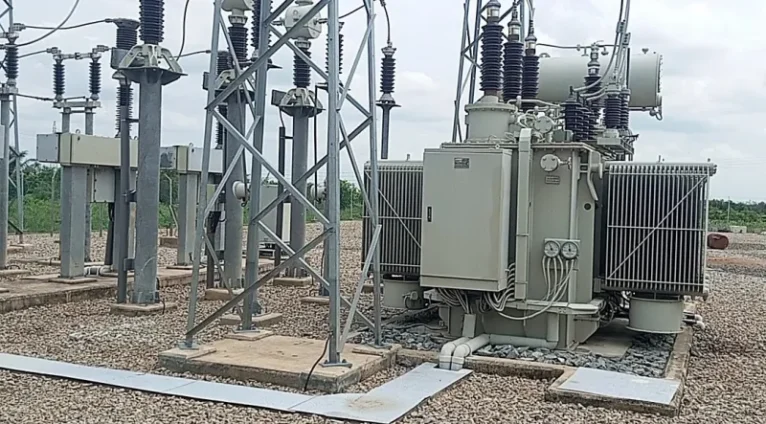
Electrical Engineer Hesford Quaye-Larbi has warned that rapid urban expansion is placing severe pressure on the country’s electricity infrastructure, contributing to overloaded transformers, technical losses, and an unreliable power supply.
He explained that electricity infrastructure is usually designed based on the projected power demand within a particular area. However, the rapid development of new communities often pushes demand beyond the capacity of existing transformers and distribution lines.
Speaking on Ghana’s power sector challenges, themed "Dumsor Situation: Fixed or Managed," on JoyFM's Super Morning Show on Tuesday, September 1, Ing. Quaye-Larbi noted that transformers installed to serve communities based on initial load assessments could become overloaded quickly due to unplanned development and rising household consumption.
“Electricity infrastructure is developed based on load assessments and what you expect to come into the system. If you are unable to manage the demand from consumers, it affects the system that has been built,” he said.
Using Accra as an example, he said distribution transformers were installed across various communities based on the expected electricity demand at the time. However, the addition of homes, businesses and electrical appliances has increased pressure on the facilities.
“You go back in the next two months and the transformer has become overloaded. So, you ask yourself where the additional load is coming from,” he stated.
Ing. Quaye-Larbi cited the Kasoa enclave as one of the rapidly developing areas where electricity infrastructure has failed to keep pace with population and housing growth.
He observed that development was spreading from Kasoa towards Nsawam, while the infrastructure required to provide adequate electricity to the growing communities remained insufficient.
“Development is ongoing, but there are no transformers in some areas. We are forced to supply customers at the extreme end of the network, and that also contributes to technical losses,” he said.
According to him, supplying electricity to customers far from existing transformers places pressure on the distribution network and often results in low voltage.
He warned that persistent pressure on transformers could eventually damage the facilities and disrupt electricity supply.
“When you have technical losses, you are automatically putting pressure on the transformer. Customers also experience low voltage and may not be prepared to pay their bills because they are not receiving enough power to operate their appliances,” he said.
Ing. Quaye-Larbi called for increased investment in transmission and distribution infrastructure to accommodate the rapid expansion of communities across the country.
He said the government and electricity distribution companies must plan ahead and provide transformers and other essential facilities in emerging residential and commercial areas.
“We need to build a robust system so that customers can say they are receiving the quality of electricity supply they expect,” he added.
Latest Stories
-
Number of debit cards issued by banks decreased by 11.8% to 5.7m in 2025
12 minutes -
Total mobile money transaction values grew by 50.8% to GH¢4.54trn in 2025
15 minutes -
Private aggregators, not state, will bear local refining costs – GoldBod
16 minutes -
Ablakwa urges African leaders to adopt new leadership paradigm to create opportunities for youth
22 minutes -
Photos: Mahama holds talks with Serbian President in Belgrade
31 minutes -
Local gold refining good for economy but costs must be controlled – Economist
32 minutes -
Keir Starmer announces he is standing down as MP
33 minutes -
One still missing after Grand Canyon floods kill two and prompts rescue efforts
34 minutes -
Mahama Ayariga calls for major overhaul of Ghana’s waste management system
37 minutes -
GoldBod programme contributed just 1.3% to reserves increase – Amin Adam
37 minutes -
Drive to Inspire–Africa equips UESD students with skills for future careers
39 minutes -
Diana Hamilton reveals she experiences stage fright before performances
44 minutes -
Number of ATMs declined by 0.5% to 2,272 in 2024 – BoG
44 minutes -
Look beyond government securities – GVCA tells pension funds
45 minutes -
COCOBOD settles GH¢2.3bn DDEP obligations for 2026
47 minutes