


Audio By Carbonatix
CHRYS FIBRE and GKC STRUCTURES LTD have partnered with the Ghana Cocoa Board’s Seed Production Division to promote more sustainable methods of producing cocoa seedlings using soilless technology.
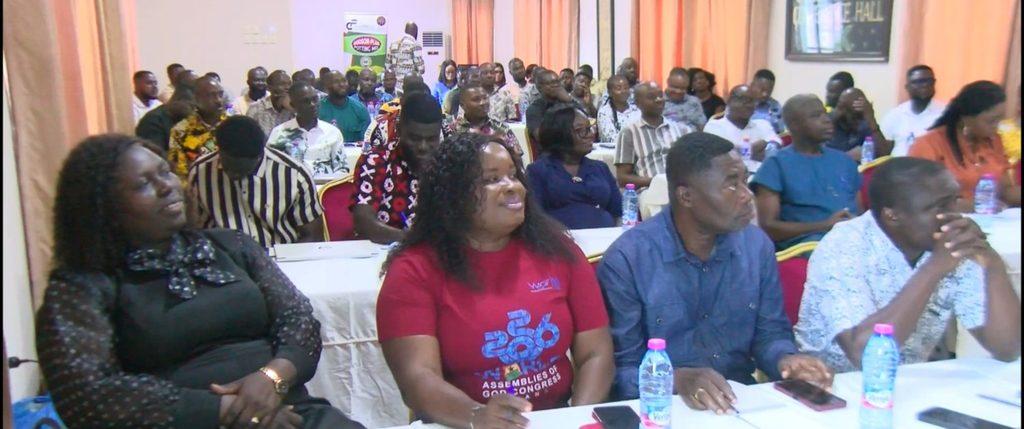
The partnership has culminated in a capacity-building programme for officers of COCOBOD’s Seed Production Division at the Cocoa Research Institute of Ghana (CRIG) in New Tafo in the Eastern Region.
The training focused on the handling and application of soilless growing media and alternative nursery receptacles as an environmentally friendly alternative to the traditional use of topsoil and conventional polythene bags.
Executive Director of the Seed Production Division of the Ghana Cocoa Board, Dr Francis Kwame Padi, said the training is important in helping COCOBOD explore innovative approaches to cocoa seedling production.
“The training is important because it gives our officers the knowledge and practical skills to work with new technologies that can improve cocoa seedling production while protecting the environment.”
He said the adoption of soilless technology could help reduce the continuous removal of fertile topsoil for nursery activities while supporting more sustainable production practices.
Finance and Administrative Officer of CHRYS FIBRE LTD, Mr Joseph Evans Tetteh, said the partnership is aimed at ensuring that the technology is properly understood and effectively applied by COCOBOD personnel.
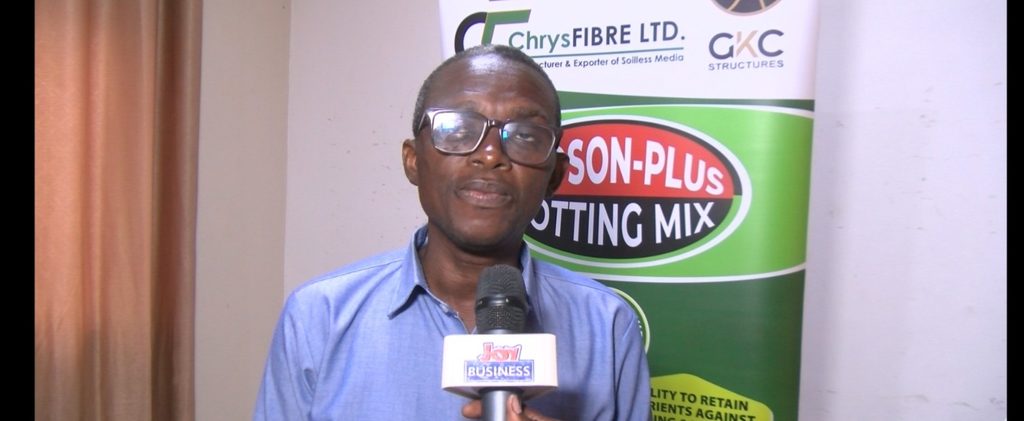
“The essence of this training is to build the capacity of the officers so they can properly handle and use the technology. We believe that collaboration with COCOBOD is important in taking this innovation to the next level.”
The traditional production of cocoa seedlings involves the use of topsoil packed into polythene bags. While the method has supported large-scale seedling production, concerns have been raised about the environmental impact of removing fertile topsoil and disposing of non-biodegradable polythene.
The soilless technology developed by CHRYS FIBRE offers an alternative by eliminating the need for topsoil in the nursery process, while the alternative receptacles are expected to reduce dependence on conventional polythene bags.
The partners say the completion of the training will enable COCOBOD officers to apply the technology in their nursery operations and assess its effectiveness under Ghanaian conditions.
The initiative is also expected to contribute to Ghana’s efforts to meet growing international demands for more environmentally responsible and sustainable cocoa production.
Latest Stories
-
Kejetia Phase III pricing talks loom as government moves to restart stalled works
18 minutes -
Nchiraa Yam festival: Two killed, 14 injured as police restore calm
24 minutes -
I draw inspiration for my songs from Reggae music – Lyrical Joe
26 minutes -
AI must not replace human judgment in public spending – BoG Governor
29 minutes -
Ghana should withdraw from 2027 AFCON – Kojo Addae Mensah
39 minutes -
Team Ghana departs Accra for Angola ahead of Karting Africa Trophy
45 minutes -
AIT President Prof Clement Dzidonu urges lifelong learning as AI reshapes work and education
48 minutes -
FWSC to meet striking teacher unions on Tuesday
49 minutes -
NPP won’t force candidates to step down – Miracles Aboagye
1 hour -
Black Stars: Building in the sinking sands
1 hour -
Low inflation on paper, high cost of living: How Presidents Mahama and Trump are facing stark economic reality
1 hour -
NPP will negotiate with popular non-politicians to secure winnable candidates – Miracles Aboagye
1 hour -
Only 5% of Ghanaians can afford housing without support – Gov’t
1 hour -
Nigeria launches rescue after military plane crashes with 32 aboard
1 hour -
GES digitalisation already exists; restore discontinued platforms – Adutwum spokesperson
1 hour