


Audio By Carbonatix
A company in London has advertised for an emoji translator in what is thought to be the first such job worldwide.
The role will involve explaining cross-cultural misunderstandings in the use of the mini pictures, and compiling a monthly trends report.
Agency boss Jurga Zilinskiene said emojis were a "potential growth area" as "inconsistencies" had developed in their use.
Last year, a UK linguist said emoji was the country's fastest-growing language.
Emojis have been available on Japanese phones since the late 1990s but gained worldwide popularity after 2011, when iPhones started coming with emoji keyboards. They are now widely available on Android phones too.
They differ from emoticons by being coded little pictures rather than collections of punctuation points like :) or :'( or ¯\_(ツ)_/¯. (For emoticon newbies, the latter is a shruggie).
But like emoticons, emojis can be used to indicate tone or emotion in messages composed largely of text.
Ms Zilinskiene, head of Today Translation, needed someone to translate diaries into emojis for one of her clients, but could not find a specialist.
She says software translations can only go so far and a human translator was needed, so the agency posted an online job advert. She herself speaks Lithuanian, Russian and English and codes in the programming languages Python and C#.
With more than 30 applications so far, she is hoping to appoint somebody on a freelance basis by the start of 2017, with the potential for it to become a full-time post. Translation jobs will be paid by the word/emoji, while research into the changing trends in emoji usage will be paid at an hourly rate.
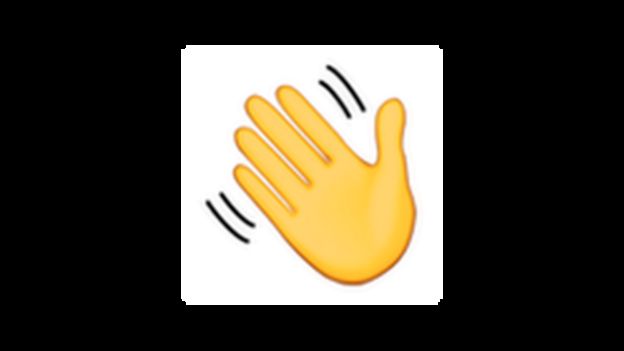
Waving hand - You might think this emoji is waving hello or goodbye. Well in China, it has a very specific meaning, along the lines of "bye, you're not my friend any more". Like a middle finger in Europe.
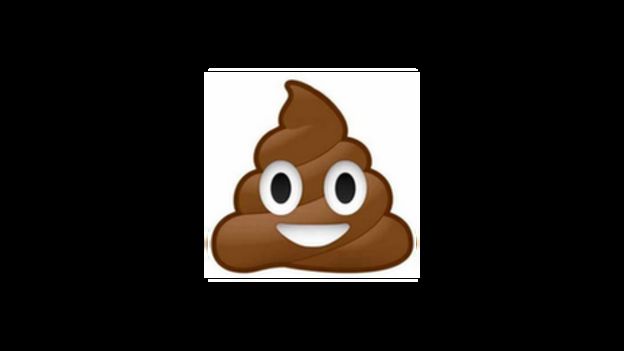
Poo - In Japan, the words for "poo" and "luck" sound similar, so it's tradition to send your friends a funny "poo" message before an exam or job interview. Now that the symbols have gone global, though, some people use the smiley-faced poo for its cuteness, others to indicate something rubbish.
So can emojis be considered a language? No, absolutely not, says Rob Drummond, a senior lecturer in linguistics at Manchester Metropolitan University.
He says his test for a language is that you have to be able to translate a full sentence from one to another, with shared meanings - not necessarily fixed, but shared - and emoji meanings vary from person to person.
"It's an addition to language rather than a language itself," Dr Drummond says.

Red heart - French speakers use more heart emojis than any other language group, according to a study from last year, bumping even smiley faces off the top spot.
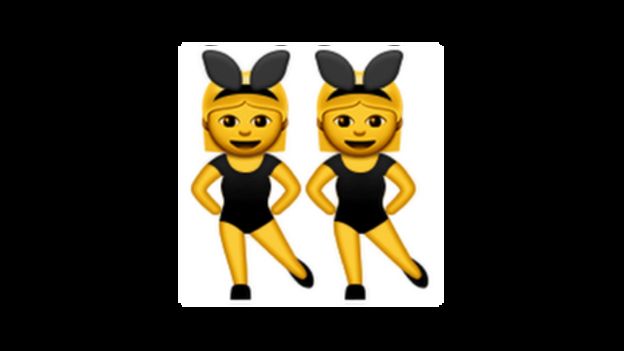
Dancing women - Originally these were Playboy bunnies, and might have been seen as strange to use in a message. But they have evolved to mean having fun with friends - and since emojis were made more diverse, there's a men's version too.
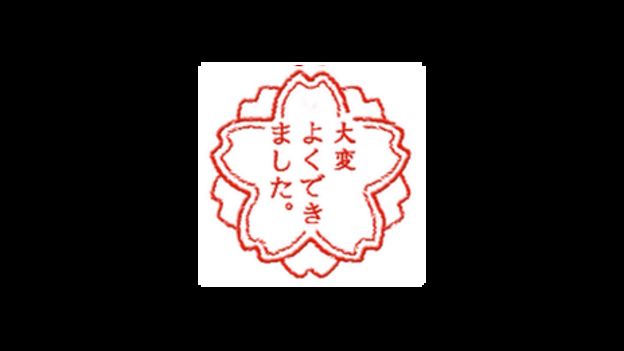
White flower - What does this even mean? You might have wondered. Unless you went to school in Japan, in which case you'll know that it's a copy of the symbol teachers stamp on exercise books when their students have done good homework. So white flower = good homework.
Emojis are more nuanced than words and, like gestures or body language, can add meaning to the text they go alongside.
Dr Drummond said he could see a space for emoji specialists, though, similar to people who go before a court to give an interpretation of what somebody might mean by a particular slang word.
Indeed, the legal world has had to take notice of emojis, as lawyers have started bringing forward the text communications sent by people accused of crime as evidence.
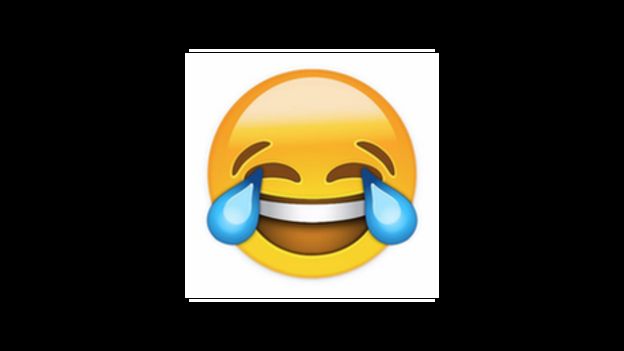
Tears of joy - The most commonly used emoji on the planet, this was the Oxford English Dictionary's word of the year for 2015. What does it mean? That depends on your perspective. It could be straightforward, a person laughing so much they're crying. It could be self-deprecating - you're laughing at yourself and a silly thing you did. Or it could be a way of gloating at somebody else.
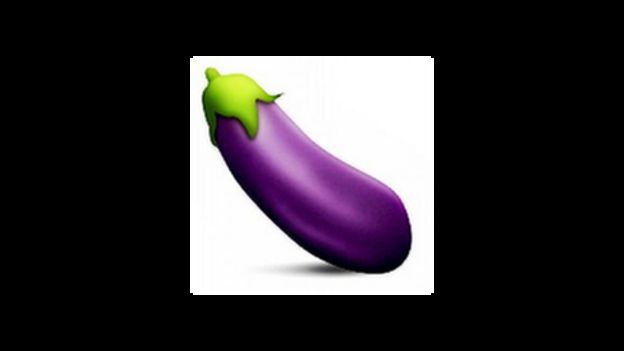
Aubergine/eggplant - An innocent vegetable, if sometimes tricky to cook? Ah, no. In the most salient example of how meanings can stray from their original intentions, this has come to denote a phallus. In fact, it's the only emoji you can't search for on Instagram.
Jeremy Burge, who already has a full-time job in emojis as chief emoji officer for his website, Emojipedia, said the symbols were a way of inserting tone into messages and "bringing back what we miss in text communication when we don't have body language... it's a communication aid".
He said that of the 15-16 million page views the glossary gets a month, many were from social media professionals keen not to make a faux pas when posting on behalf of their companies.
If that's you, we hope our guides peppered through this article have given you enough to get started.
Latest Stories
-
Restaurant portions, surplus food worsening Ghana’s food waste problem — Food Scientist
3 minutes -
NPP extends 2026 National Officers Elections filing deadline to August 29
10 minutes -
NDC has not shown it can manage power sector effectively — Fiifi Boafo
14 minutes -
Ghana secured US$2.6bn FDIs in 2025 – GIPC Report
15 minutes -
GRIDCo restores power nationwide after August 20 blackout, says grid strengthening measures ongoing
28 minutes -
Journalism must prioritise public interest over attention — Kwesi Pratt
1 hour -
Ghana Mineworkers Union demand suspension of contract mining directive, threaten industrial action
2 hours -
ADB Ghana Medicals constructing and equipping new Cardiothoracic Centre at Komfo Anokye
2 hours -
AFREIKH Summer School challenges Africa to harness critical minerals
2 hours -
Government plans 2,000-acre pharmaceutical innovation park in Osudoku to boost local drug production
2 hours -
Partey undergoes medical ahead of Al Shabab move in Saudi Arabia
2 hours -
Today’s front pages: Friday, August 21, 2026
2 hours -
Power outages could drive up cost of digital services — NITA
2 hours -
Patients face basic sanitation gaps in West African health facilities — WHO / UNICEF
2 hours -
Competence has no age; let’s stop punishing new businesses
3 hours