

Audio By Carbonatix
Ohio was in the throes of a bitter debate over abortion rights this fall when Brittany Watts, 21 weeks and 5 days pregnant, began passing thick blood clots.
The 33-year-old Watts, who had not shared the news of her pregnancy even with her family, made her first prenatal visit to a doctor’s office behind Mercy Health-St. Joseph’s Hospital in Warren, a working-class city about 60 miles (100 kilometres) southeast of Cleveland.
The doctor said that, while a fetal heartbeat was still present, Watts’ water had broken prematurely and the fetus she was carrying would not survive.
He advised heading to the hospital to have her labour induced, so she could have what amounted to an abortion to deliver the nonviable fetus.
Otherwise, she would face a “significant risk” of death, according to records of her case.
That was a Tuesday in September. What followed was a harrowing three days entailing: multiple trips to the hospital; Watts miscarrying into, and then flushing and plunging, a toilet at her home; a police investigation of those actions; and Watts, who is Black, being charged with abuse of a corpse. That’s a fifth-degree felony punishable by up to a year in prison and a $2,500 fine.
Her case was sent last month to a grand jury. It has touched off a national firestorm over the treatment of pregnant women, and especially Black women, in the aftermath of the U.S. Supreme Court’s Dobbs v. Jackson Women’s Health Organisation decision that overturned Roe v. Wade. Civil rights attorney Benjamin Crump elevated Watts’ plight in a post to X, formerly Twitter, and supporters have donated more than $100,000 through GoFundMe for her legal defence, medical bills and trauma counselling.
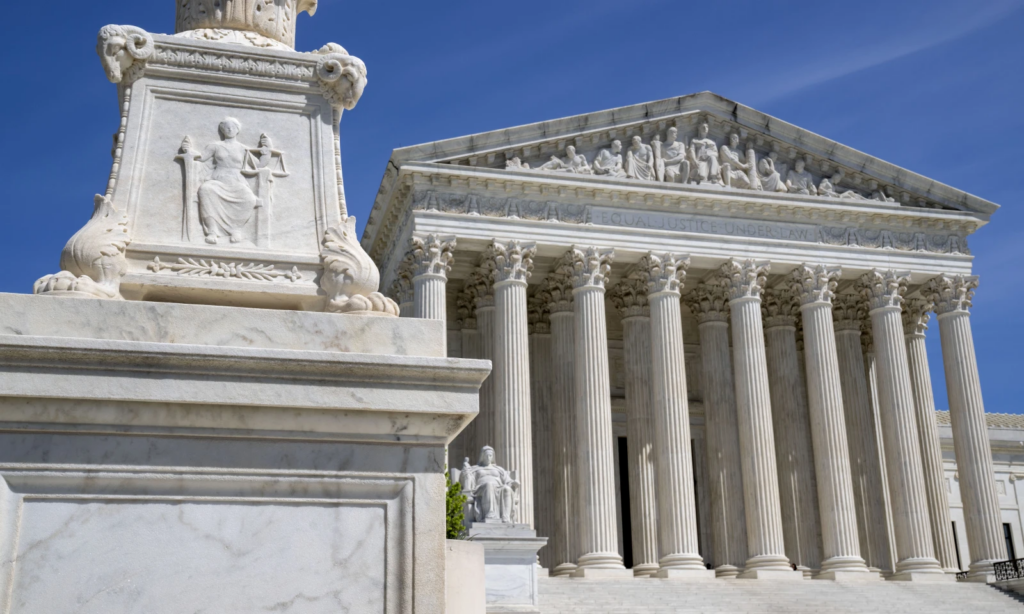
Whether abortion-seekers should face criminal charges is a matter of debate within the anti-abortion community, but, post-Dobbs, pregnant women like Watts, who was not even trying to get an abortion, have increasingly found themselves charged with “crimes against their own pregnancies,” said Grace Howard, assistant justice studies professor at San José State University.
“Roe was a clear legal roadblock to charging felonies for unintentionally harming pregnancies when women were legally allowed to end their pregnancies through abortion,” she said. “Now that Roe is gone, that roadblock is entirely gone.”
Even before Roe was overturned, studies show that Black women who visited hospitals for prenatal care were 10 times more likely than white women to have child protective services and law enforcement called on them, even when their cases were similar, she said.
“Post-Dobbs, what we see is kind of a wild, wild West,” said Goodwin. “You see this kind of muscle-flexing by district attorneys and prosecutors wanting to show that they are going to be vigilant, they’re going to take down women who violate the ethos coming out of the state’s legislature.” She called Black women “canaries in the coal mine” for the “hyper-vigilant type of policing” women of all races might expect from the nation’s network of health-care providers, law enforcers and courts now that abortion isn’t federally protected.
In Texas, for example, Republican Attorney General Ken Paxton mounted an aggressive and successful defence against a white Texas mother, Kate Cox, who sued for permission to skirt the state’s restrictive abortion law because her fetus had a fatal condition.
At the time of Watts’ miscarriage, abortion was legal in Ohio through 21 weeks, six days of pregnancy. Her lawyer, Traci Timko, said Watts left the hospital on Wednesday when, coincidentally, her pregnancy arrived at that date — after sitting for eight hours awaiting care.
Latest Stories
-
At least 30 feared dead in crush at Haitian tourist site
2 hours -
Four arrested over murder of Scottish businessman in Kenya
2 hours -
New Mainoo deal closer, says Man Utd boss Carrick
2 hours -
Sinner beats Alcaraz to return to world top spot
2 hours -
An inappropriate joke nearly ended his career. Now he’s back with more humour
3 hours -
GPL 2025/26: Dreams FC stage stunning comeback to hammer Eleven Wonders
4 hours -
Livestream: The Probe examines Kumasi’s looming water crisis
4 hours -
MTN Ghana gears up to lead Africa’s AI revolution
4 hours -
Philanthropist Alhaji FuZak donates Da’wah bus to Ambariya Sunni community
4 hours -
GUTA calls for suspension of Publican AI system over trade disruptions
4 hours -
TTAG raises alarm over proposed recruitment of 7,000 teachers, demands national posting roadmap
5 hours -
Civilians feared killed after reports of air strike on Nigerian market
5 hours -
Bishop Simon Kofi Appiah installed as new Jasikan Diocese Bishop
5 hours -
Trump’s Strait of Hormuz blockade threat raises risks and leaves predicaments unchanged
5 hours -
US Court backs extradition of former MASLOC CEO Sedina Tamakloe-Attionu to Ghana
5 hours