

Audio By Carbonatix
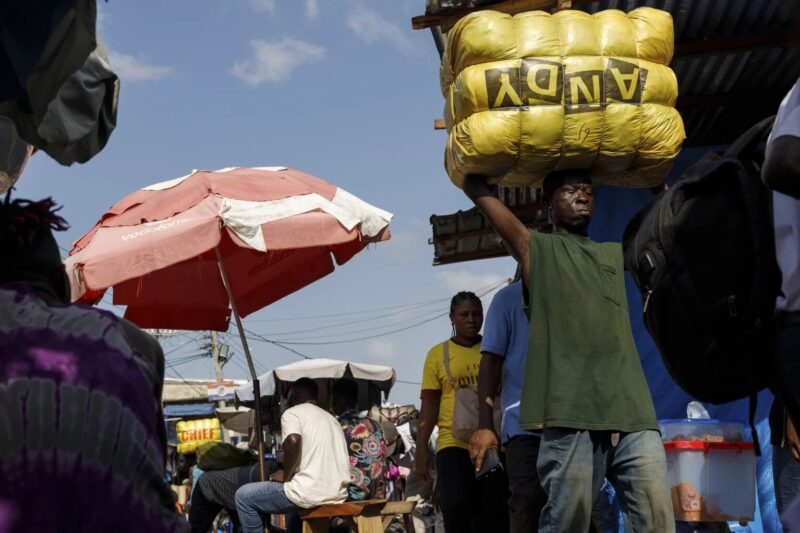
In a sprawling secondhand clothing market in Ghana’s capital, early morning shoppers jostle as they search through piles of garments, eager to pluck a bargain or a designer find from the stalls selling used and low-quality apparel imported from the West.
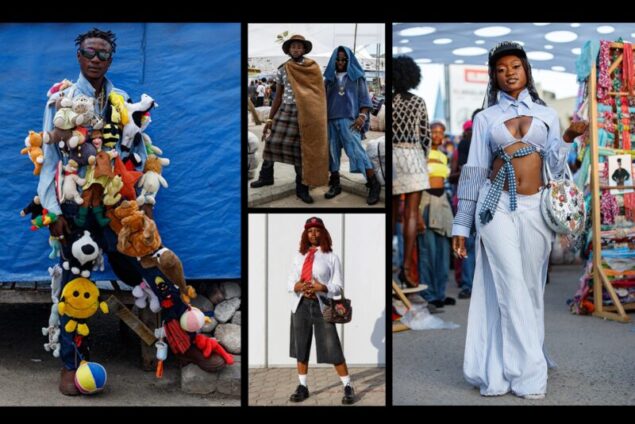
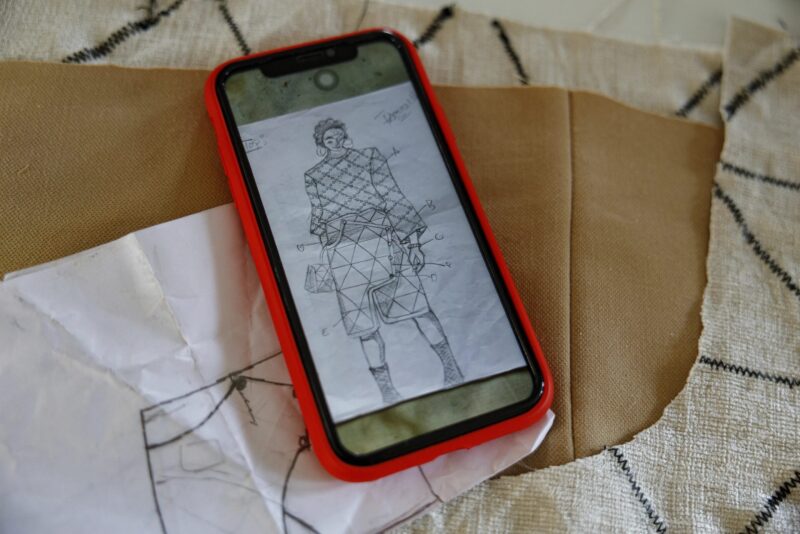
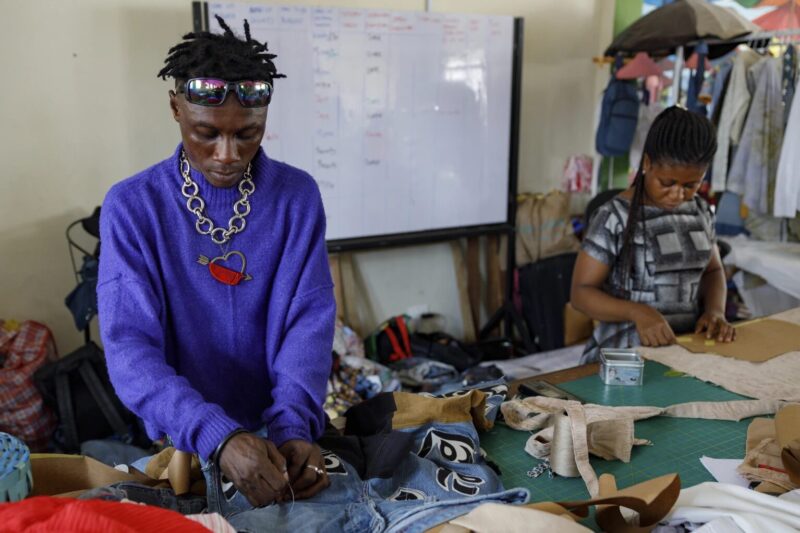
At the other end of the street, an upcycled fashion and thrifting festival unfolds with glamour and glitz. Models parade along a makeshift runway in outfits that designers created out of discarded materials from the Kantamanto market, ranging from floral blouses and denim jeans to leather bags, caps and socks.
The festival is called Obroni Wawu October, using a phrase that in the local Akan language means “dead white man’s clothes.”
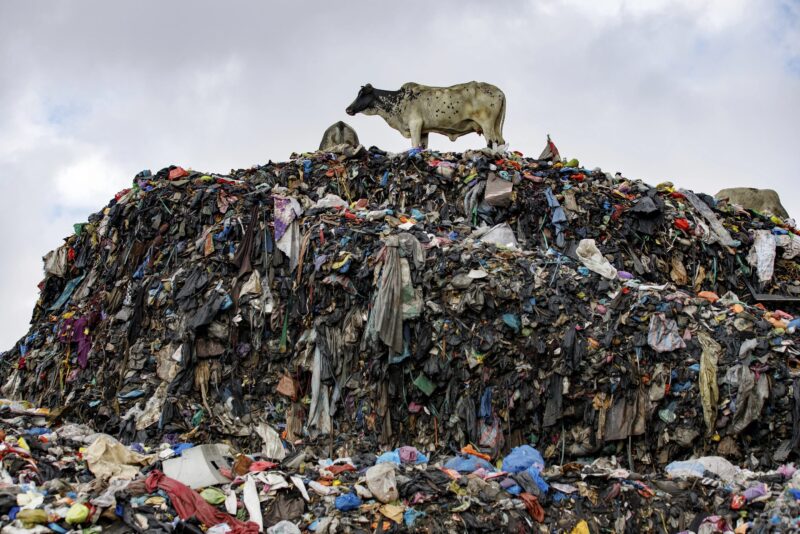
Organisers see the event as a small way to disrupt a destructive cycle that has made Western overconsumption into an environmental problem in Africa, where some of the worn-out clothes end up in waterways and garbage dumps.
“Instead of allowing (textile waste) to choke our gutters or beaches or landfills, I decided to use it to create something ... for us to use again,” said Richard Asante Palmer, one of the designers at the annual festival organized by the Or Foundation, a nonprofit that works at the intersection of environmental justice and fashion development.
Ghana is one of Africa’s leading importers of used clothing. It also ships some of what it gets from the United Kingdom, Canada, China and elsewhere to other West African nations, the United States and the U.K., according to the Ghana Used Clothing Dealers Association.
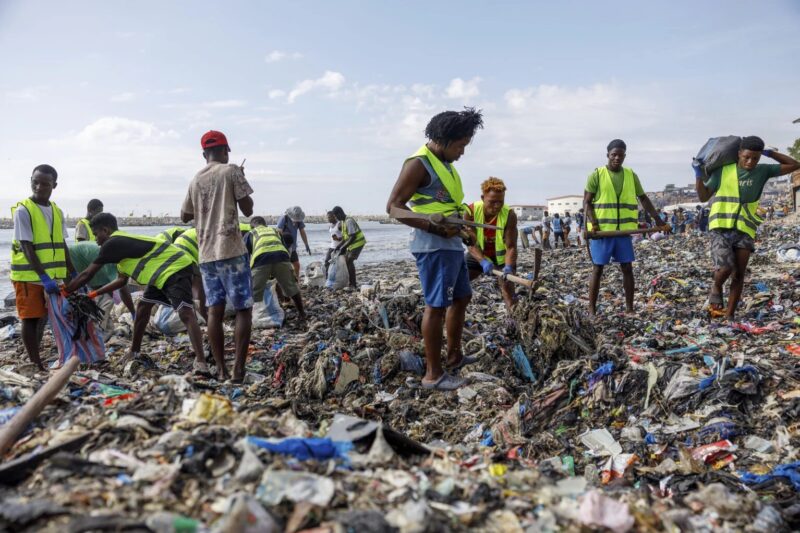
Some of the imported clothes arrive in such poor shape, however, that vendors dispose of them to make room for the next shipments. On average, 40% of the millions of garments exported weekly to Ghana end up as waste, according to Neesha-Ann Longdon, the business manager for the Or Foundation’s executive director.
The Clothing Dealers Association, in a report published earlier this year on the socioeconomic and environmental impact of the nation’s secondhand clothing trade, said only 5% of the items that reach Ghana in bulk are immediately thrown out because they cannot be sold or reused.
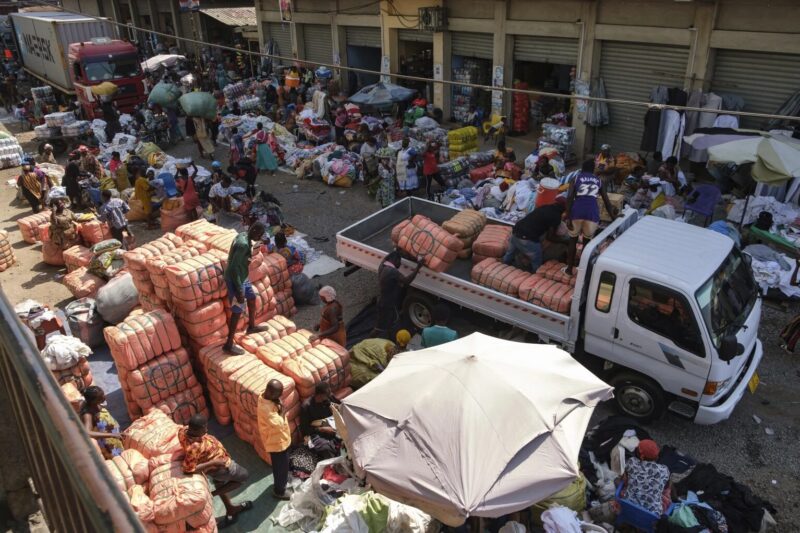
In many African countries, citizens typically buy preowned clothes — as well as used cars, phones and other necessities — because they cost less than new ones. Secondhand shopping also gives them a chance to score designer goods that most people in the region can only dream of.
But neither Ghana’s fast-growing population of 34 million people nor its overtaxed infrastructure is equipped to absorb the amount of cast-off attire entering the country.
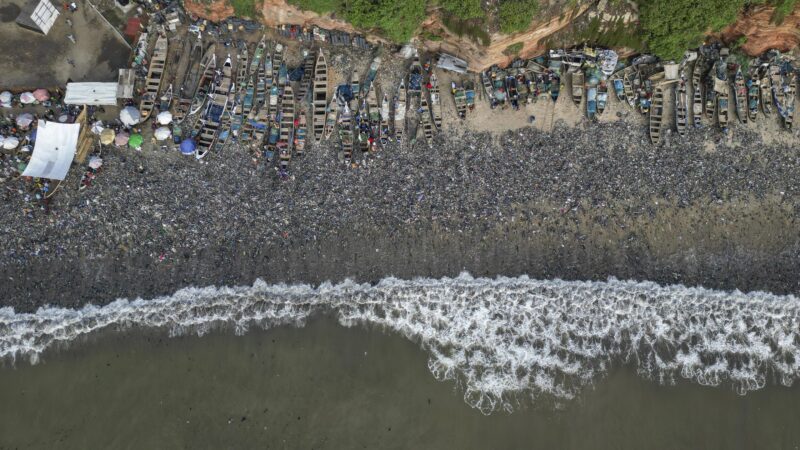
Mounds of textile waste litter beaches across the capital, Accra, and the lagoon which serves as the main outlet through which the city’s major drainage channels empty into the Gulf of Guinea.
“Fast fashion has taken over as the dominant mode of production, which is characterized here as higher volumes of lower-quality goods,” Longdon said.
Jonathan Abbey, a fisherman in the area, said his nets often capture textile waste from the sea. Unsold used clothes “aren’t even burned but are thrown into the Korle Lagoon, which then goes into the sea,” Abbey said.
The ease of online shopping has sped up this waste cycle, according to Andrew Brooks, a King’s College London researcher and the author of “Clothing Poverty: The Hidden World of Fast Fashion and Second-hand Clothes.”
In countries like the U.K., unwanted purchases often end up as charity donations, but clothes are sometimes stolen from street donation bins and exported to places where the consumer demand is perceived to be higher, Brooks said. Authorities rarely investigate such theft because the clothes are “seen as low-value items,” he said.
Donors, meanwhile, think their castoffs are “going to be recycled rather than reused, or given away rather than sold, or sold in the U.K. rather than exported overseas,” Brooks said.
The volume of secondhand clothing sent to Africa has led to complaints of the continent being used as a dumping ground. In 2018, Rwanda raised tariffs on such imports in defiance of U.S. pressure, citing concerns the West’s refusal undermined efforts to strengthen the domestic textile industry. Last year, Ugandan President Yoweri Museveni said he would ban imports of clothing “from dead people.”
Trade restrictions might not go far in either reducing textile pollution or encouraging clothing production in Africa, where profits are low and incentives for designers are few, experts say.
Latest Stories
-
Trump says he is considering firing US ambassador to Greece
2 hours -
Man City bananas ‘brought fun back’, says Varadi
2 hours -
Meta releases Muse Wonder AI models to challenge Anthropic and OpenAI
2 hours -
Daily Insight for CEOs: The CEO as Chief Decision Maker
2 hours -
Burnham had formal meeting with Man City chair while mayor
2 hours -
Is Ghana producing too many lawyers? What is the best lawyer-to-citizen ratio?
2 hours -
NDC sinking Ghana’s democracy with Emelia Agbenyo’s appointment – Miracles Aboagye
2 hours -
Seedorf back in football as Corinthians head coach
3 hours -
Hincapié and Zubimendi injured in post-match training session
3 hours -
Fridges in French supermarkets hit by cyberattack
3 hours -
Qantas flight grounded after bedbug outbreak
3 hours -
Reality Zone with Vicky Wireko: International Day of the Girl, shaping today’s girl for tomorrow’s future – ZONTA Clubs lead the way
3 hours -
Global health must be led by countries, not designed for them – Mintah Akandoh
4 hours -
Mahama honoured at 2026 World Health Summit in Berlin for global health leadership
4 hours -
Breast cancer is not a death sentence – Besease Kontire Obaapanin, Magmina Foundation lead awareness campaign
4 hours