

Audio By Carbonatix
Lead is increasingly consumed globally due to the skyrocketing demand for energy-efficient vehicles.
The high demand of the chemical substance for its utilization in industrial enclaves, like the Kumasi Suame Magazine, poses health and environmental threats.
To alleviate the increasing cases of lead poisoning, especially in children, the Ashanti Regional Directorate of the Ghana Health Service has instituted a steering committee to ensure stringent implementation of policies.
Reports indicate that about 0.6% of the global burden of diseases can be attributed to lead poisoning.
Lead poisoning poses grave child health concern throughout the world, as children are most likely to be exposed to the chemical substance.
In low- and middle-income countries, including Ghana, children living in lead-polluted sites stand the risk of lead poisoning through automobile fumes and dust from decaying lead-based paint.
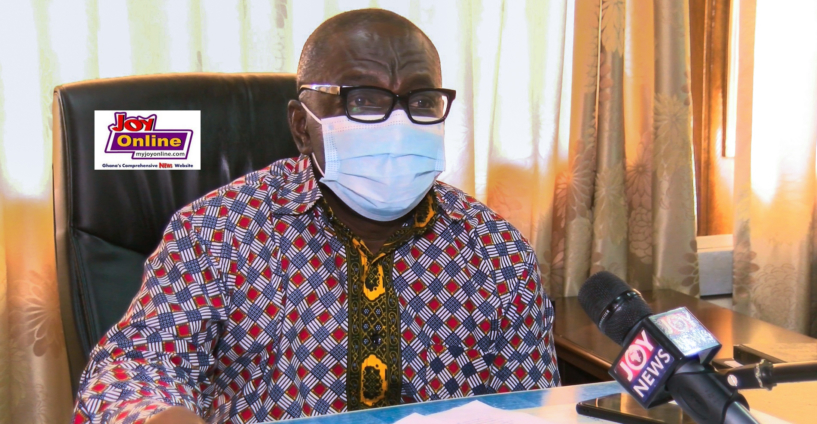
Ashanti Regional Director of the Ghana Health Service, Dr. Emmanuel Tinkorang says the increasing menace puts children's lives at risk.
"Lead is non-biodegradable; for that reason children working around refuse dump are always contaminated with lead. These children either inhale it or consume it.
"When it enters the body, it can destroy the brain, kidney, liver and bones, and also cause Anaemia. So many children are dying from lead poisoning," he said.
The Regional Health Director, in collaboration with UNICEF, has instituted an advocacy committee to create awareness against the alarming deaths resulting from lead poisoning.
The committee is to ensure a comprehensive understanding of detrimental effects of lead poisoning.
Dr. Tinkorang added "under this strategy, the committee is to first create awareness about lead poisoning and educate the community that people are dying as a result".
The project will assess the medical status of children in selected lead-prone areas in the region.
According to the Regional Health Director, a medical facility will be allocated to test the lead levels in the blood of children and other patients.
"Clinical assessments will also be conducted under the project to know if the level of lead in children is dangerous, especially in areas like Suame Magazine, Dagomba line, where there is fitting works ongoing there," Dr. Tinkorang said.
Dr. Tinkorang assured that the 2-year project will be sustained by the government to eradicate lead poisoning among Ghanaian children.
"Ghana Health Service intends to sustain the project after its span. We are not only going to do this for 2-years," he said.
Latest Stories
-
COCOBOD sets up Cocoa Capital PLC to raise GH¢16.3bn for cocoa sector
57 seconds -
NDC Akatsi South suspends campaign activities following organiser’s death
11 minutes -
He lived his life in preparation for the hereafter – Dr Bawumia pays touching tribute to late Dagomba Chief of Accra
15 minutes -
Gov’t, PUWU meet today over proposed private-sector role in ECG, NEDCo
15 minutes -
Spreading drug abuse could rob Ghana of future leaders – NPC
20 minutes -
Configure SHS tablets to stop student misuse, government urged
25 minutes -
MoFA, ABC Oyeasase Yie to establish $50m organic fertiliser facility
30 minutes -
Embrace eco-friendly practices, technical skills – Chief urges Ghanaians
36 minutes -
Tumu landlord gives road encroachers a 2-week ultimatum to relocate for road construction
41 minutes -
Gold shipments resume after August slowdown – BoG Governor
46 minutes -
Nana Yaa Jantuah calls for renewed commitment to Nkrumah’s vision
52 minutes -
CAGD explains delay in teachers’ promotion arrears, says 6,079 cases already paid
57 minutes -
Fuel, taxes and loans are driving up airfares – Prof Quartey
1 hour -
Ghana, Côte d’Ivoire mark major border milestone with 37 new pillars
1 hour -
Almost everything in Ghana is expensive – CUTS Director on airfare debate
2 hours