


Audio By Carbonatix
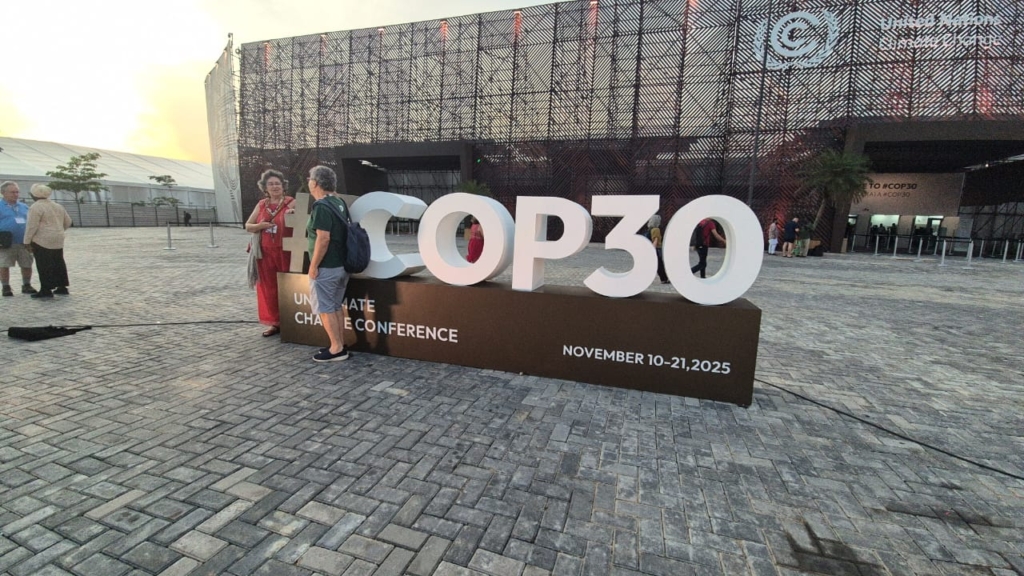
Ghana’s delegation at COP30 is calling for a major rethink of how countries are classified in global climate negotiations, arguing that the current “Third World” or “developing country” categorization is outdated and deeply unfair to Africa.
Ghana contends that while Africa contributes less than 4% of global greenhouse gas emissions, it continues to be grouped with large emitters like China and Russia, which still enjoy the same developing-country privileges. This, officials say, puts African nations at a disadvantage in funding access, emission responsibilities, and climate obligations.
The Director of Environment at the Ministry of Environment, Science, Technology and Innovation (MESTI), Dr. Peter Dery, told JoyNews at COP30 that it’s time for the international community to revisit the “developing nations” label for climate negotiations and redesign a fairer system that reflects Africa’s climate realities.
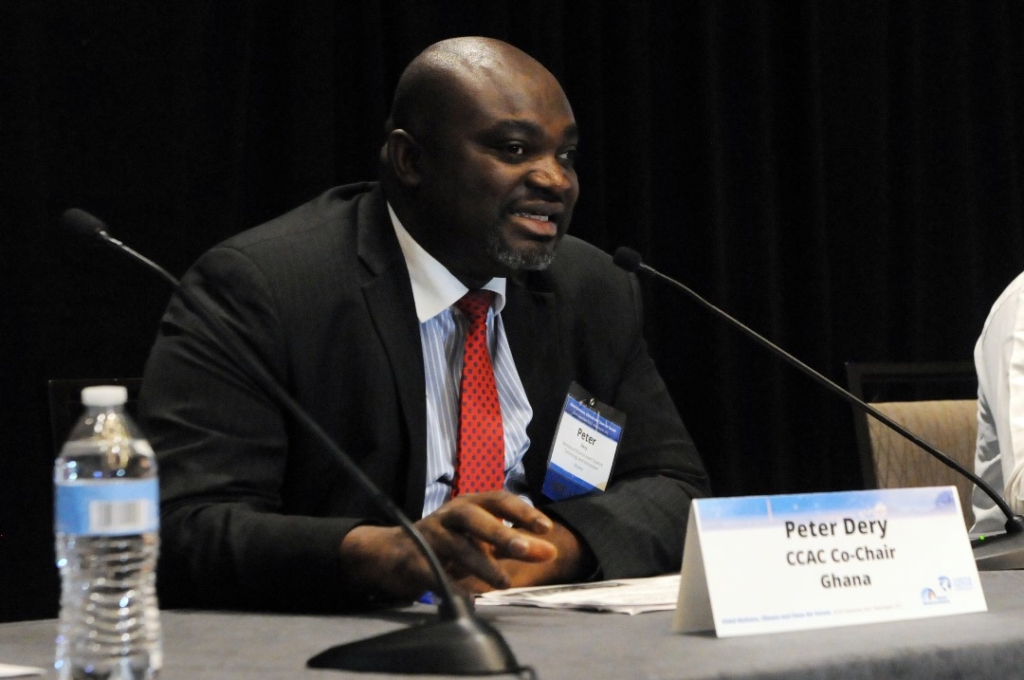
“Africa is only contributing about four percent of global emissions. If we are contributing only four percent of the emissions, why must we bear the brunt of the problem? That is why we are saying that we are all developing countries that must be helped, but when it comes to Africa, our situation is different. There are other developing countries that are also emitting a lot. For example, China is a developing country but China is emitting a lot. So you cannot classify Ghana and China in one bracket just because they are all developing countries,” he said.
Dr. Dery added, “We want Africa seen as a special case and that’s one important area of negotiation that African countries, including Ghana, are pushing for at this COP.”
Africa currently negotiates as part of the G77 and China group, but Dr. Dery clarified that the continent’s position on reclassification does not signal a departure from that G77 alliance.
“We will converge where we will converge and we will divert where we need to divert. We are united in diversity. Where we need to unite and speak as one voice, Ghana will join the G77 and China to negotiate as one block, but where we need to make our own case as a special one, we will do that. Because it is true that Ghana cannot compete with developing nations such as China, Mexico, Brazil, and Russia, all of which are classified as developing countries,” he explained.
He emphasized that even though these nations share the same development label, their emission levels and economic capacities are far from comparable.
“Even though these countries are developing nations, truth be told, in terms of emissions we are nowhere near. So we cannot be lumped together with them. At some point, we need that differentiation to ensure that our mutual benefit is achieved,” Dr. Dery said.
Across the broader negotiations, African countries are uniting around a common demand: recognition of their unique position as the least emitters yet the most vulnerable to climate impacts. The continent is seeking differentiated responsibilities in global climate policies, exemptions from uniform carbon taxes, and fairer mitigation targets.
African negotiators are also pushing for predictable, grant-based adaptation financing, not loans to bridge the growing funding gap and support community-based adaptation plans.
They are calling for reforms in international climate finance systems and carbon market rules to ensure equitable access, lower borrowing costs, and greater participation in carbon trading.
Above all, Africa insists that the global transition to a low-carbon economy must not derail its development goals but rather advance industrialization, energy access, technology transfer, and job creation making the global shift truly fair and just for the continent.
Latest Stories
-
Mobile Money Fintech LTD, UMB train hairdressers and beauticians
32 minutes -
Asylum votes show people want help, says Kemi Badenoch
2 hours -
Badenoch welcomes expanded grooming gangs inquiry
2 hours -
GACL MD sues Samuel Buabeng over alleged Facebook defamation
2 hours -
Christa Pike in critical condition after surviving two lethal injections, lawyer says
2 hours -
Kemi Badenoch backs face covering ban at protest
2 hours -
Man City not ‘above the rules’, says No 10 after backlash to Burnham remarks
2 hours -
Real Madrid submit ‘substantial’ dossier in Barca payments case
2 hours -
Messi completes purchase of second Spanish club
2 hours -
Government must engage horticulturists on tomato crisis – GhIH
3 hours -
King Promise’s ‘Can’t Tame Us’ becomes official Chelsea anthem
3 hours -
Afenyo-Markin demands Baffour Awuah’s release from EOCO’s custody, end to alleged political intimidation
3 hours -
Rapper Rick Ross arrested on domestic violence charges
3 hours -
Minority demands security review of Ghana-Colombia visa waiver and port deals
3 hours -
Pursue drug kingpins, not persecute political opponents – Afenyo-Markin tells EOCO
3 hours