

Audio By Carbonatix
Soil fertility decline has been identified across the country as a factor contributing significantly to low yields of crops.
The Soil Research Institute is introducing appropriate soil fertility and water management technologies to improve agricultural sustainability in Ghana.
The project was born out of financial support from the government of Canada through the Modernising Agriculture in Ghana (MAG) programme and the CSIR-Soil Research.
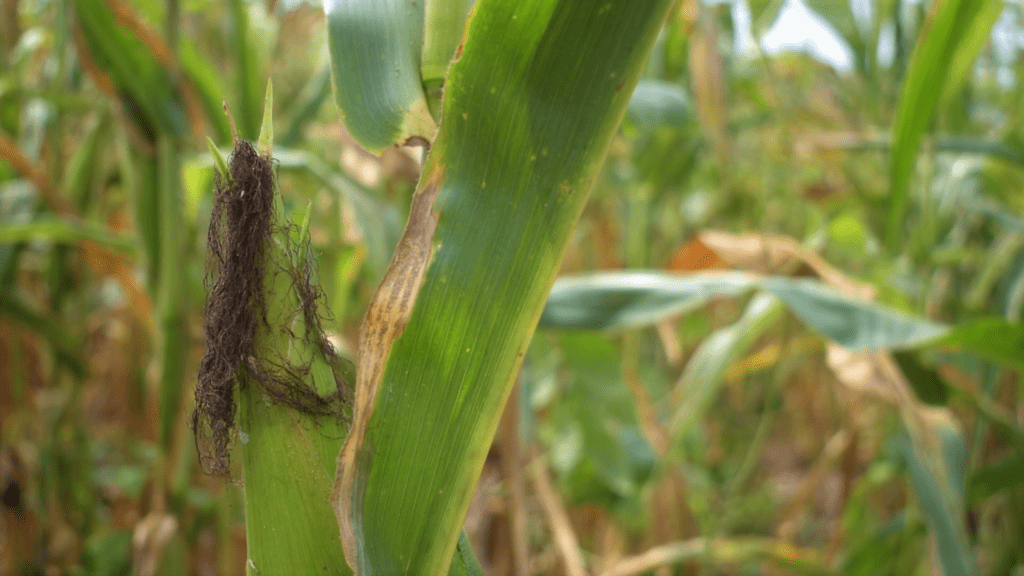
Maize accounts for more than 50 per cent of the country's total cereal production.
Maize production of Ghana improved from 384,000 tons in 1971 to 3,000 thousand tons in 2020. This average annual growth rate represents 8.79 per cent.
Despite these efforts, the average maize yield in Ghana remains one of the lowest in the world, much lower than the average for Africa south of the Sahara.
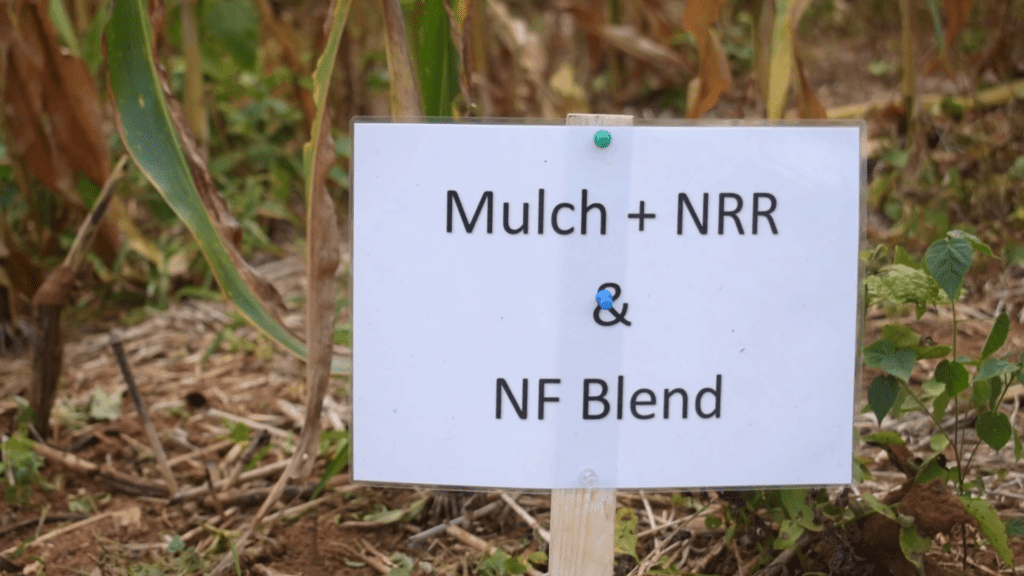
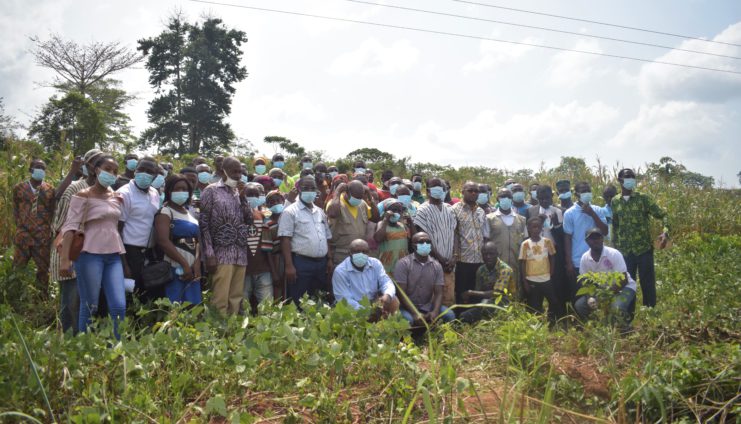
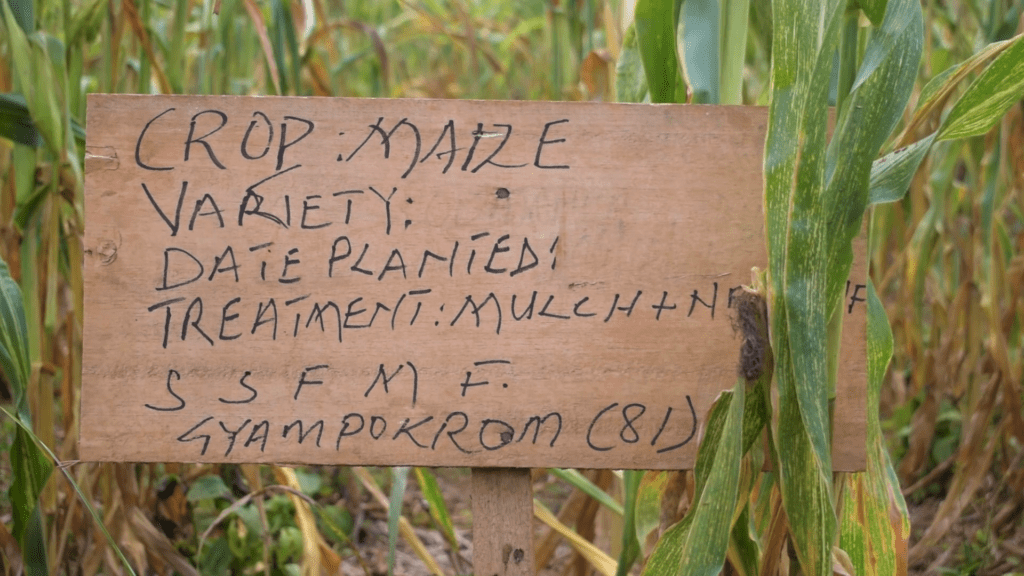
To increase maize yield in Gyampokrom near Sefwi Wiawso Municipality of the Western North Region, the Soil Research Institute has demonstrated some of its soil fertility management strategies in the region.
The Institute blamed soil infertility on inadequate amounts of water, removal of crops, weeds, leaching and erosion.
The new technologies; Bio char, Organic fertilizer (poultry manure compost) and Mineral fertilizer will address the rapidly decline levels of soil fertility.
The technologies also improve yields and make farming profitable.

Dr. Emmanuel Dugan is a research scientist and the focal person for the MAG program.
He explained the use of compost and these new technologies will amend soil losses and improve yield for farmers.
"We are rolling these technologies to amend and improve soil fertility status to support the yield of maize and farmers.
"In addition, we have introduced a fertilizer blend. Instead of 15-15-15 NPK, we have now introduced 15-20-20 and zinc as micro nutrient.
"We have also introduced the bio char which improve soil moisture and nutrient retention. Use composes and half of mineral fertilizer, together will get a good yield," he said.
Assistant agric director for Sefwi Wiaso, Ebenezer Tei Kwannor, who represented the municipal chief executive officer, explained that, the program was borne out of governments committed to boost the agricultural sector and tackle unemployment.
"Farm inputs are increasingly becoming expensive for farmers to purchase to help increase the production of food for our country. This particular activity will feed into the broader vision of the government to ensure food sustainability and increase productivity in the agricultural sector to feed the populace and export food to neighboring countries," he noted.
The paramount chief of Gyampokrom, Nana Yaw Kumi, encouraged farmers to adopt these news technologies.
"We farm every year, unlike in the past, things have changed in respect to the soil fertility. If farmers apply these technologies, it will make up for the problems we face with the soil," he noted.
A beneficiary farmer, Kwadwo Tawiah explained that, the new technologies will reduce cost of farming with fertilizer and afford farmers the chance to improve farming method to increase yields.
"This new process is not really difficult, but It is dependent on your finances. If only you can afford the fertilizer, the process will not be difficult.
"Your yield is not about having large acres of lands but the methods like these are the tricks to getting maximum yields. These new agric technologies have shown us how we can use rice leaves to conserve soil water, charcoal to detoxify the soil," he said.
Latest Stories
-
Ghana’s Derrick Kohn to work under Marie-Louise Eta as she becomes first woman to coach men’s Bundesliga team
4 minutes -
Accra Open Championships conclude with strong performances ahead of African Championships
11 minutes -
Ghana to begin camping with 12 athletes after Accra Open Championships – Bawa Fuseni
32 minutes -
Anthony Joshua declines showdown with Tyson Fury but admits they ‘probably’ clash next
46 minutes -
Tyson Fury dominates Makhmudov, calls out Joshua next
1 hour -
I have supported highway authority financially to fix roads in my constituency – A Plus
2 hours -
US, Iran fail to reach peace agreement after marathon talks in Pakistan
3 hours -
ECG kicks off Phase Two of transformer upgrades at Lashibi; brief outages expected
3 hours -
Port crises loom as 11,000 drivers threaten four-day strike
4 hours -
A source of excellence across generations – Vice President Opoku-Agyemang lauds Mfantsipim
5 hours -
(Photos) Mfantsipim School launches historic 150th anniversary
5 hours -
Knights and Ladies of Marshall group backs Catholic Bishops’ stance on anti-LGBTQ+
6 hours -
Bright Simons: All the Filla in the Ibrahim Mahama/E&P – Gold Fields Saga
7 hours -
Monetise Idiocy In Ghana
7 hours -
The Ghanaian prophet and the mysterious death of his scottish wife Charmain Speirs
7 hours