

Audio By Carbonatix
Ghana imports more than $400 million worth of rice annually to supplement local production.
To reduce rice importation, the Soil Research Institute of the Council for Scientific and Industrial Research is educating farmers on a new technology to increase rice yields and cultivation in Ghana.
Rice consumption in Ghana has increased from 38 to 63 kg per person between 2008 and 2018. However, the current rice production meets less than 40% of the consumption requirement in Ghana.
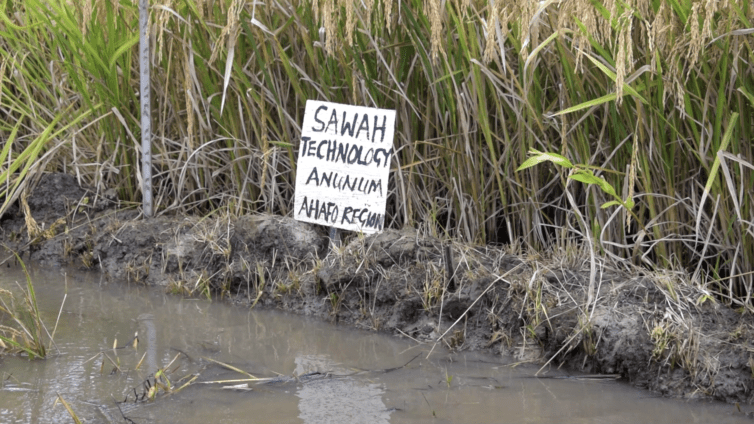
The introduction of the SAWAH technology by the CSIR-SRI will increase rice production at Asutifi South District in the Ahafo region.
Research scientist at the Soil Research Institute, Dr Ephraim Sekyi-Annan, said, “The low grain yield is due to multiple constraints including poor land management, inappropriate water management, ineffective fertilizer management, post-harvest losses and rainfall variability due to climate change.”

He continued that, “To increase productivity, reverse the pattern of production of low rice yields and subsequently the high annual rice importation, there is the need to boost rice production in Ghana by adopting the SAWAH technology.”
The SAWAH technology is the integrated management of land, water and fertilizer for increased rice production. The adoption of the technology leads to the production of more paddy rice.
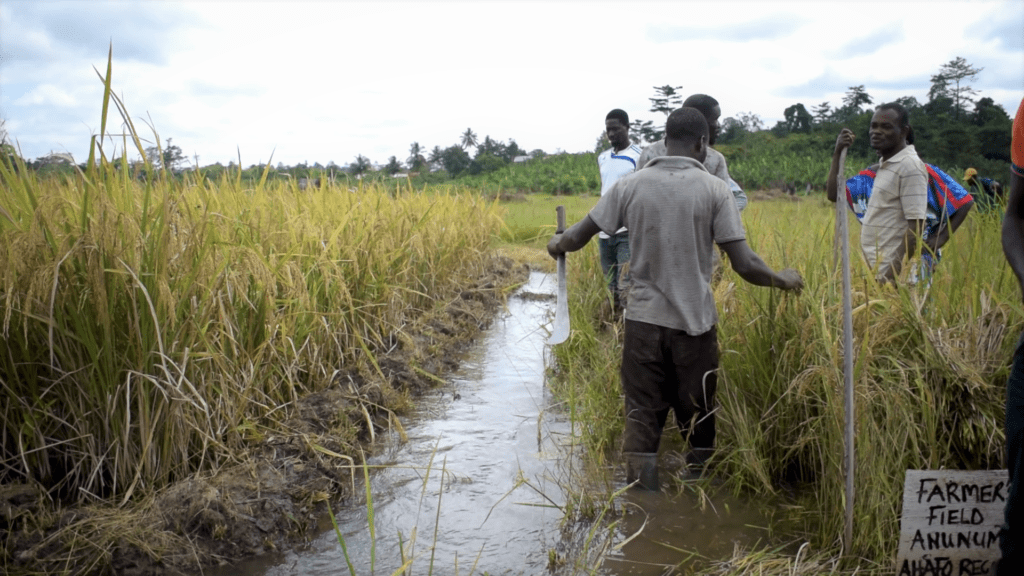
The research scientist believes “Ghana has the potential to become rice sufficient if the technology is used efficiently.
“We have about 700,000 hectares of low lands in Ghana where we can produce rice,” he emphasized.
The Modernizing Agriculture in Ghana (MAG) initiative improves food security and makes the agricultural sector modern, equitable, and sustainable.
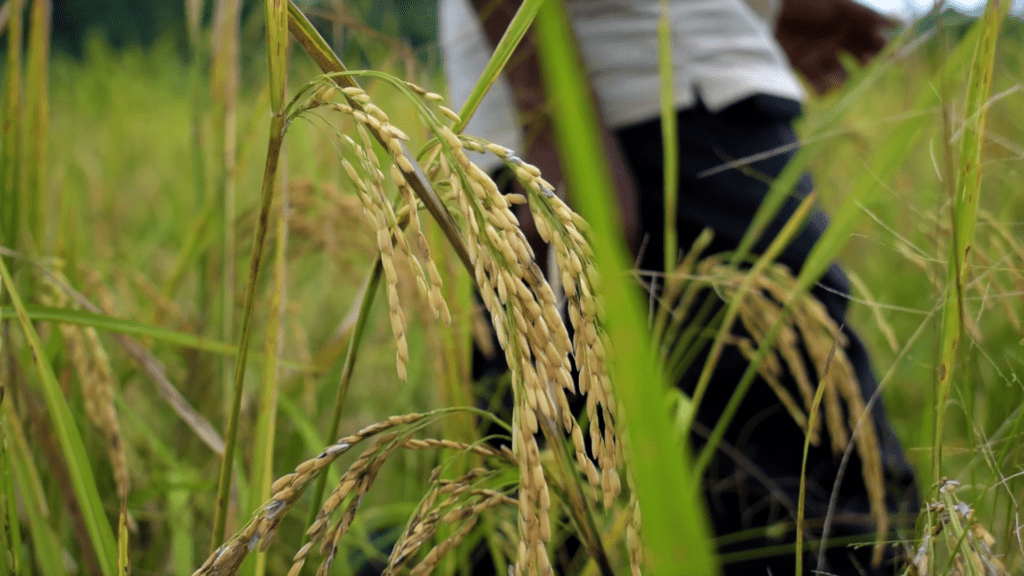
The Regional Director of Agriculture, Kingsford Nyame, promised to provide machinery to support farmers in the Ahafo region to increase rice yields.
“Rice is an emerging crop; that is why we are encouraging farmers to adopt the technology. We have an Agric Mechanization Center where farmers can hire machines for farming operations, but the government will support them with more machines,” he said.
Some farmers who benefitted from the project lauded the institution for the technology.
“After the verification demonstration on the SAWAH technology was done on my farm, I have noticed that it has increased my rice yields,” Mr Boafo noted.
Latest Stories
-
Ghana explores centre of excellence for hearing, communication and cochlear implant care
10 minutes -
Schizophrenia-related disorders lead mental health cases recorded in Ghana
32 minutes -
Dutch authorities enlist Ghana in hunt for fugitive drug lord Bolle Jos
55 minutes -
Ghana housing finance conference adopts communiqué to improve affordable housing access
5 hours -
Special Initiatives Minister urges Wa Technical Institute to enrol more girls as EU-backed solar training lab opens
6 hours -
In the matter of my first year at the Bar
6 hours -
ActionAid Ghana calls for an end to child marriage, greater investment in girls’ rights
6 hours -
Newsfile to tackle World Cup visa scandal, beach demolitions, education strikes, BRICS bid
6 hours -
UK-Ghana Trade & Investment Summit: Trade Resource Centre to help businesses maximise UK-Ghana trade opportunities
7 hours -
Embassy of Denmark celebrates World Maritime Day
7 hours -
Linking LEAP to productive inclusion could cut extreme poverty by 2030 – UNICEF
8 hours -
Trade Ministry backs use of creative arts to rehabilitate prison inmates
8 hours -
Negotiations with government to continue despite strike suspension – GNAT
8 hours -
‘Ghana cannot afford to waste public resources; every cedi has a job’ – Ato Forson
8 hours -
Ghana expects economic boost as World Assemblies of God Congress brings 10,000 delegates to Accra
8 hours