

Audio By Carbonatix
Justice, equality, and fairness are the cornerstones of any functional democracy. A just society requires that all individuals be treated equally, regardless of their social, economic, or political standing. However, there is a considerable disparity in punishment between poor and powerful citizens in many countries, including Ghana. The goal of this article is to shed light on this large gap by analysing the underlying reasons as well as the ramifications for the legal system and societal trust.
Unevenness in the judicial system: Poor citizens encounter the following legal challenges: In Ghana, poor persons frequently lack access to adequate legal representation, resulting in unfair trials and biased verdicts. Because they cannot afford legal services, they are at a distinct disadvantage while navigating the complex legal system.
Politicians, on the other hand, typically have access to high-profile defense counsel because to their financial advantages and connections.
This right permits individuals to mount a strong defense, lowering the likelihood of harsh punishment for their acts. Corruption has the potential to have a significant impact on the administration of justice in Ghana.
Politicians can utilise their tremendous power and influence to manipulate the system, including undermining investigations and influencing court decisions. Poor citizens, on the other hand, are more susceptible to being coerced or intimidated by politicians, resulting in a lack of cooperation during investigations or as witnesses, diminishing the judicial system's effectiveness.
The gap in punishment between poor people and politicians creates a perception of injustice, undermining trust in the court system and the government as a whole. Citizens lose trust in a system that looks to favor the powerful over the underprivileged.
When high-ranking officials appear to avoid accountability for their conduct, society receives a hazardous message. This difference may foster a culture of impunity and corruption, with citizens believing that the law does not apply equally to all.
When a politically exposed person is taken to court for alleged misbehaviour, his followers see it as political witch hunting. Should such persons be deemed untouchable, whereas the weak are subjected to justice on a regular basis for small offences?
I had the pleasure to watch Umaru Sanda's Face to Face show on Citi TV interview the Hon. Alfred Tuah-Yeboah, Deputy Minister of Justice and Attorney General. I saluted him for his delivery with the utmost humility. This man clarified all subjects without passing judgment or shifting blame. I believe we have the best Deputy Attorney General since the Declaration of Independence if he does what he says.
Economic impact: Disparities in punishment can worsen social inequality and widen the gap between rich and poor people. This invariably results in societal instability, stifling economic growth and development. I saw a lot of terrible revelations while watching a very educational programme called Crime Check on YouTube. For example, three young boys in Ghana were sentenced to a total of 56 years in prison for stealing a cell phone. I've yet to see a politician receive such a punishment with public funds.
Foreign investors seek political stability as well as a strong judicial system in every country in which they invest. A difference in punishment between politicians and ordinary citizens can prevent foreign investment, harming the national economy.
In conclusion, a key problem that threatens the values of equality and justice is the gap in punishments meted out to ordinary residents vs politicians in Ghana. Due to this imbalance, social and economic injustice are perpetuated and the judicial system is weakened. The Ghanaian government must prioritise legislative reform, the fight against corruption, and the creation of structures that guarantee equitable treatment under the law in order to address this issue. Ghana may advance toward a fair and just society that respects the rights of all its residents, regardless of their economic or political status, only by redressing this gap.
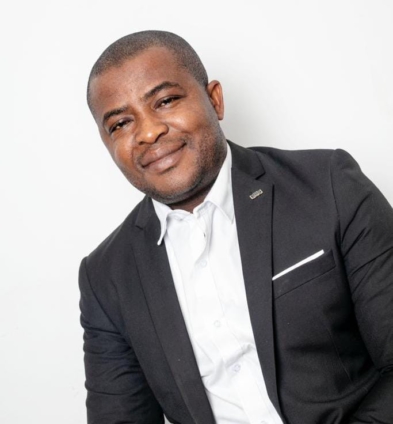
Evans Mawunyo Tsikata, BBA,LLB,MEd,LLM
Latest Stories
-
Statement: Ghana Chamber of Mines’ Response to Claims in Joe Jackson’s “Ananse Stories about the Economy of Ghana”
27 seconds -
GES opens 2026 teacher recruitment for licensed B.Ed graduates
3 minutes -
Ghana must value skilled trades, build resilient learners — Ibn Chambas
11 minutes -
Ghana must rethink education around relevance, resilience and responsibility — Ibn Chambas
14 minutes -
Prince Harry faces defamation lawsuit from charity he co-founded
16 minutes -
South Korea deploys thermal cameras to track escaped zoo wolf
17 minutes -
Calls for royal meeting with Epstein survivors grow ahead of US visit
21 minutes -
Ibn Chambas advocates blend of technology and human values in education
22 minutes -
UMA improves healthcare access in Asutifi North with GH₵700k ‘Kim Taylor Legacy’ Walkway
27 minutes -
Scholarships Authority and Fanaka University offer sponsorship for procurement and supply chain studies
30 minutes -
Bisa Kdei drops new single ‘Go N Look’ featuring Medikal
36 minutes -
Benin facing rising terrorism in north as French military presence faces growing criticism
38 minutes -
UEW Public Lecture Series 2026: Education debate ‘about the soul of Ghana’s future’ — Dr Ibn Chambas
38 minutes -
EU fingerprint and photo travel rules come into force from today
1 hour -
Anti-LGBTQ+ Bill: Ghanaians demand expedited passage, not dialogue – Ntim Fordjour to Mahama
1 hour