

Audio By Carbonatix
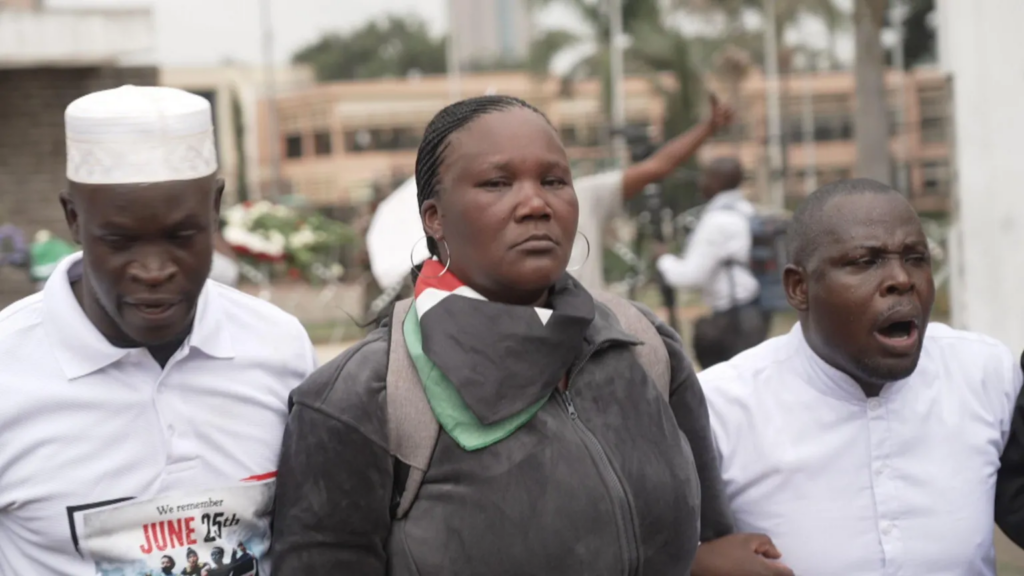
Families of those killed during Kenya's anti-government protests in 2024 have placed flowers on barbed wire outside parliament, as demonstrations took place to mark two years since the deadly clashes.
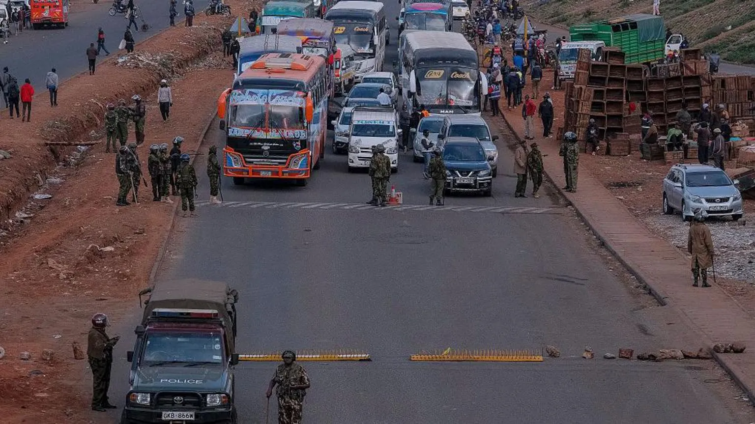
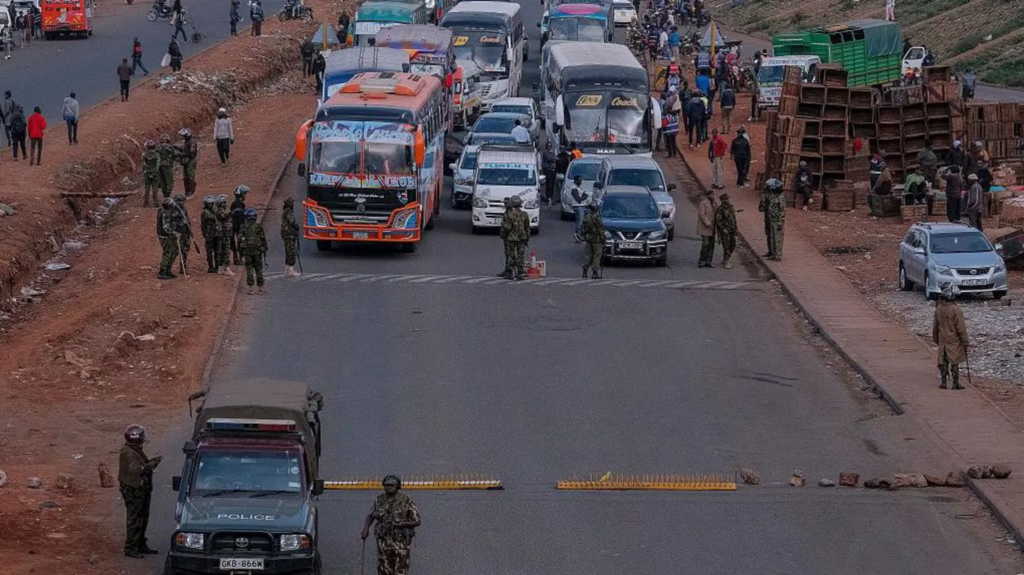
Police arrested 355 protesters nationwide and blocked key roads in Nairobi, though turnout in the capital was low compared to 2024 and anniversary demonstrations last year.
The authorities also barricaded parliament with barbed wire, preventing families of the deceased from laying wreaths and flowers by the building.
"All I want is for the government to bring the officers responsible for killing our children before us and let them apologise," Jacinta Anyango told the BBC outside parliament.
Anyango, whose 12-year-old son Kennedy was killed in 2024 in clashes on the outskirts of Nairobi, said: "Who does the president expect to vote for him next year if he continues killing us like this?
Some had called for nationwide protests to demand justice for more than 80 people who were killed and dozens more injured during the youth-led demonstrations. The 2024 protest was sparked by anger over controversial tax proposals.
Caroline Mutisya attended parliament on Thursday to honour her late son, Erickson, but said the heavy police presence made it difficult for her to speak freely.
"I came here today to remember my son who was killed just 50 metres (54 yards) from parliament buildings," she said. "But I do not feel safe enough to express myself."
Opposition leaders led by Kalonzo Musyoka, Martha Karua and Eugene Wamalwa joined the families and a small number of activists on their march to parliament.
In the coastal city of Mombasa, hundreds of young protesters walked through the streets dressed in black and draped in Kenyan flags.
Escorted by security officers, they carried banners calling for justice and an end to extra-judicial killings.
Muted protests took part in a number of other locations across Kenya.
Central Nairobi was deserted after security forces blocked access, stranding commuters on the city's outskirts. Many businesses and schools remained closed.
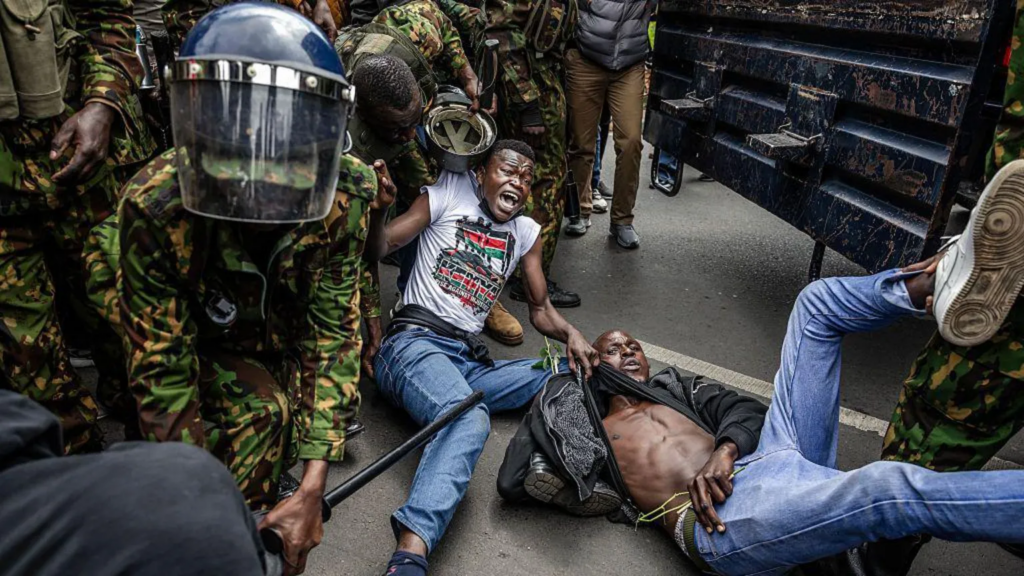
There were pockets of clashes between police and protesters in the capital, with security forces firing tear gas and demonstrators throwing stones in some areas.
Muted protests took part in a number of other locations across Kenya.
Central Nairobi was deserted after security forces blocked access, stranding commuters on the city's outskirts. Many businesses and schools remained closed.
There were pockets of clashes between police and protesters in the capital, with security forces firing tear gas and demonstrators throwing stones in some areas.
In June 2024, tens of thousands of Kenyans protested against the proposed tax hikes, culminating in the storming of parliament and the eventual withdrawal of the controversial finance bill.
But the security forces were accused of using excessive force, with a BBC investigation finding that police had deliberately tried to kill protesters.
In the days that followed, dozens of people were reportedly abducted, allegedly by members of the security forces. Some were later found badly beaten, while others were found dead, fuelling concerns over enforced disappearances and extrajudicial killings.
On Thursday, deputy police chief Gilbert Masengeli said roadblocks had been mounted to ensure no criminals or weapons entered Nairobi, adding that the country had remained calm, with citizens going about their daily activities without disruption.
President William Ruto said last Friday that people had a right to protest but warned that anyone "mobilised to destroy property or cause chaos" would not be tolerated.
Several political leaders, civil society groups, and human rights organisations expressed support for peaceful demonstrations, describing them as part of the right to democratic expression protected under the country's constitution.
Ruto's former deputy Rigathi Gachagua, now a bitter rival, urged Gen Z activists to stay away from the streets, citing concerns that the protests could turn violent. Instead, he called on Kenyans to remain at home in a symbolic show of dissent.
Last week, President Ruto announced a fund of nearly $15m (£11m) to compensate nearly 2,000 victims of protest-related human rights abuses between 2017 and 2025 identified by rights groups.
Ruto said the compensation was not a "price for life, pain or loss" and should not be seen as rewarding violence or criminality.
However, human rights organisations have rejected the compensation plan, citing the exclusion of some victims, inadequate pay-outs and a lack of transparency.
President Ruto is facing growing public discontent ahead of the 2027 elections, with critics accusing his government of failing to deliver on key campaign promises.
He rejects those claims, insisting his administration has fulfilled most of its pledges and saying he is ready to defend its record as he seeks re-election.
Latest Stories
-
Consumer, business sentiments positive – BoG
5 minutes -
There’ll be no GHS500 Cedi note as part of Heritage Series issuance – BoG
22 minutes -
Heritage Series Cedi notes to modernise cedi while preserving national identity – BoG
36 minutes -
Ghana’s business environment at ‘Inflection Point’ as private Sector takes greater lead — Vish Ashiagbor
43 minutes -
At least 2 new airlines could join domestic aviation market by 2027 – GCAA Director General
51 minutes -
What if Ghana’s next tourism boom begins with Ghanaians?
1 hour -
Energy Commission to monitor EV charging stations
1 hour -
Invest with confidence, Ghana’s golden era is beginning – Finance Minister
1 hour -
Do Ghana to launch The Great Ghana Day Out on World Tourism Day
1 hour -
Clean up our politics before politics cleans us up
2 hours -
2025 was a turning point, says Abradu-Otoo as NAFCO posts record GH¢91.7m profit
2 hours -
Today’s front pages: Friday, September 25, 2026
3 hours -
‘FA President has four clubs; what do you think he would do?’ – Nana Baffour Awuah fires back
3 hours -
Kurt Okraku doesn’t like criticism, but Ghana football is beyond him – Nana Baffour Awuah
3 hours -
Ghana’s Liquidity Paradox: Why capital is not reaching productive businesses
3 hours