


Audio By Carbonatix
Across Africa, road transport continues to dominate both freight and passenger movement, despite the existence of a more cost-efficient and sustainable alternative which is the railway.
Rail transport is particularly well-suited for bulk goods, minerals, long-distance travel, and trade to ports, all of which significantly contribute to national economic growth.
In Ghana, however, road transport remains the primary mode for both passengers and freight. This dominance stems from the steady decline of the country’s railway infrastructure over the decades.
Accessibility to railway services has drastically reduced, largely due to inadequate maintenance by successive governments and the destructive impact of illegal mining activities, which have damaged sections of the Takoradi–Nsuta railway line.
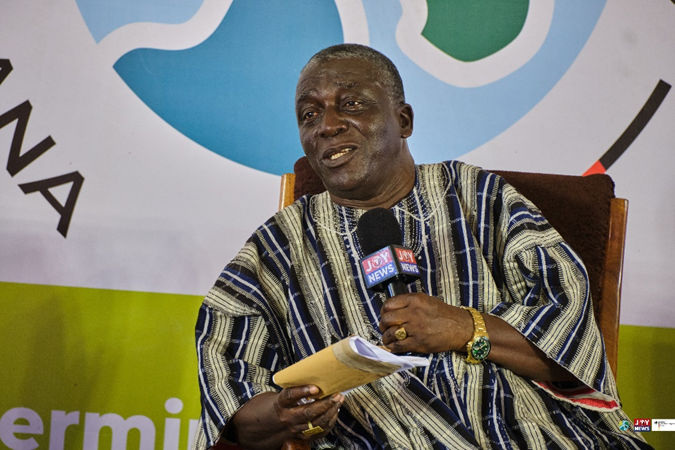
Speaking at the German Embassy–JoyNews Climate Talks on the theme “Sustainable Mobility for Ghana: Unlocking the Potential of Railway Transport,” the Paramount Chief of the Essikado Traditional Area in the Western Region, Nana Kobina Nketsia V, urged the government to fulfill its duty to support and resource those entrusted with safeguarding the railway system.
“It is not the duty of the workers to maintain the railway tracks; that responsibility rests with those in governance,” he stated.
Adding an academic perspective to the discussion, Transport Planning Expert and former Vice-Chancellor of the Kwame Nkrumah University of Science and Technology (KNUST), Emeritus Professor Kwasi Adarkwa, highlighted the environmental and socioeconomic benefits Ghana stands to gain from developing a sustainable railway system.
He noted that such a system would significantly reduce emissions, improve public health, and save communities substantial costs.
“There are parts of the country that are transport-poor, particularly those residing in the central corridor. This affects their mobility and livelihoods. Therefore, it is essential that we keenly focus on improving our railway system,” he said.
The Western Regional Minister, Joseph Nelson, also expressed optimism, stating that the government is taking concrete steps to revive the railway sector, a vital component of Ghana’s economic, industrial, and resource development.
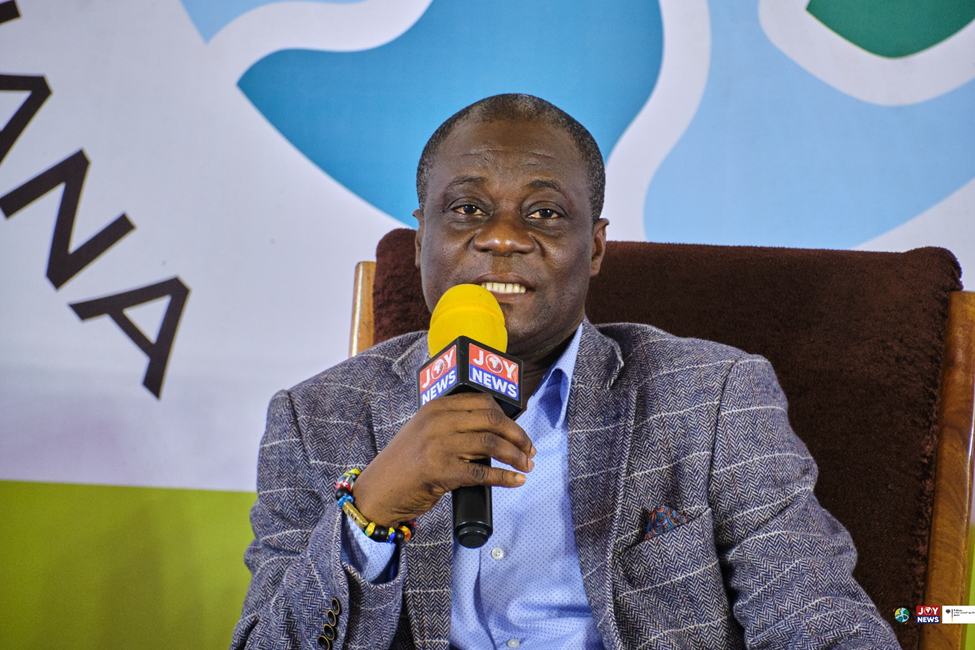
“The main challenge has been transporting these resources to designated ports for export and refining. However, with the government’s pledge to revamp the Western Corridor Rail Line in partnership with the private sector, concrete action is being taken,” he added.
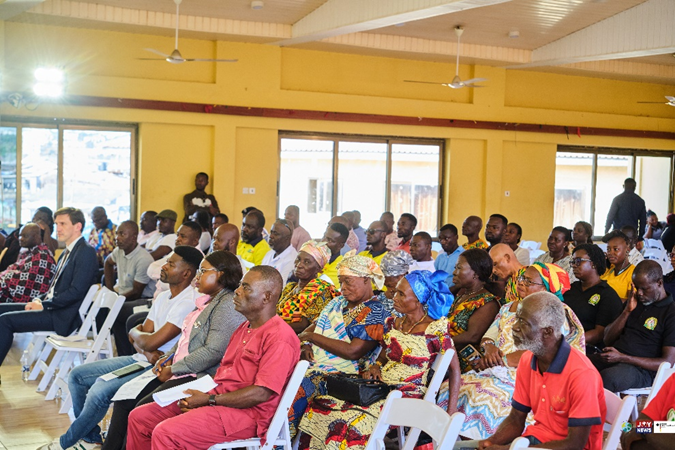
The German Embassy–JoyNews Climate Talks on “Sustainable Mobility for Ghana: Unlocking the Potential of Railway Transport” reinforced the urgent need to revive Ghana’s rail system as a path toward cleaner, more efficient, and inclusive transport.
The dialogue called for stronger commitment, investment, and collaboration to position rail at the heart of the country’s sustainable development agenda.
Latest Stories
-
Hawa Koomson pledges experienced and mature leadership of NPP women’s wing
18 minutes -
Young woman found dead at Kasoa Peace Town
50 minutes -
Playback: The Law examined lawful arrest in Ghana
1 hour -
Mahama urges African governments to treat healthcare as an investment, not budget cost
2 hours -
Bawumia congratulates John Boadu and new NPP executives, pledges support ahead of 2028
2 hours -
‘No talent should be left out’ – Bawumia pledges inclusive NPP campaign for 2028
2 hours -
Prof. Mike Oquaye recounts how he blocked Special Prosecutor’s attempt to arrest Bawku Central MP
2 hours -
Make health sovereignty a priority for Africa – Mahama
2 hours -
Dorimon Naa, Wa West DCE lead massive clean-up exercise; threaten sanctions against recalcitrant residents
3 hours -
Photos from Adom FM Y2K Jam
3 hours -
Praye Tiatia steals the show at Adom FM Y2K Jam [Watch]
3 hours -
Boakye Agyarko congratulates John Boadu, pledges support for NPP leadership
3 hours -
Antwi HiMight thrills fans with Antwi ne Antwi hits at Adom FM’s Y2K Jam [Video]
3 hours -
Amb. Edward Boateng congratulates Boadu, Kodua on election wins
4 hours -
John Boadu pledges to rebuild NPP from grassroots and restore ‘winning machinery’
4 hours