

Audio By Carbonatix
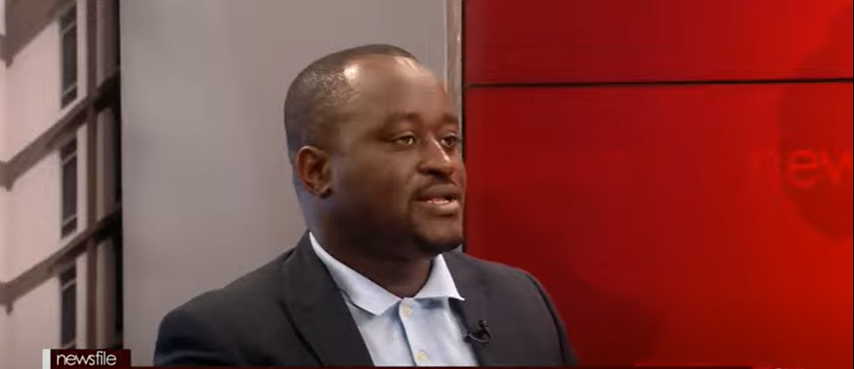
Economist and political risk specialist Dr Theo Acheampong says Ghana has reset its economic fundamentals in about 18 months, achieving a turnaround he argues would typically take at least five years after a crisis.
The Finance Ministry Technical Advisor said the pace of recovery has prompted investors to question how the country achieved it.
Speaking to George Wiafe on Joy News’ PM Express Business Edition on Thursday, he linked the turnaround to reforms in taxation, spending controls and payments to statutory funds.
“As we've always said, typically if you've gone through the crisis that Ghana has gone through, 2022 to 24, it will take you at least about five years to be able to reset right the fundamentals and the basics, and we've been able to do that in a year and a half.”
Acheampong said investors were seeing evidence of the changes in the economy’s fundamentals and Ghana’s improved ability to service its debt.
He pushed back against attributing the gains solely to commodity earnings.
“And it really rests on a number of things, and it's not just a commodity story. It's not just the gold story. It's really the hard reforms that have been done to try and sustain right those gains.”
On revenue, he said the tax-to-GDP ratio had risen from 11.5 per cent to close to 13 per cent. He did not provide a precise latest figure.
He also pointed to tighter controls over spending commitments and efforts to direct expenditure into the right areas.
Acheampong said inherited arrears had been cleared. He cited transfers to the District Assemblies Common Fund and the National Health Insurance Fund as further evidence of improved fiscal management.
“For the first time, we remain current on these funds.”
He said the required transfers had been made for the period from January to August or September of the year under discussion.
Previously, he said, January releases could take until September to arrive.
For Acheampong, those payments form part of the evidence underpinning Ghana’s message to investors. His argument is that the turnaround extends beyond favourable commodity earnings to changes in how the government collects, spends and releases money.
Latest Stories
-
Five new telephony cell sites to be activated in October 2026 – Sam George
4 minutes -
Amin Adam raises sovereign-bank nexus concerns as banks hold GH¢190bn in government debt
9 minutes -
Government to increase Free SHS feeding allowance in 2027 Budget – Haruna Iddrisu
14 minutes -
Nadowli-Kaleo NCCE engages women’s groups on rule of law, corruption fight
15 minutes -
Mahama visits factories in Afienya/Tema
20 minutes -
TraffiTech-GH pilot reduces road crash injuries, fatalities
25 minutes -
IMF Chief identifies 2 major threats posed by AI to global economy
30 minutes -
Go back to the hand washing days – Ghanaians told
35 minutes -
GoldBod commits GH¢35m to reclaim galamsey-damaged Tano Nimri Forest Reserve
40 minutes -
Afenyo-Markin reflects on loneliness of public service, says survival is largely spiritual
47 minutes -
Achimota Court designated to handle petroleum diversion cases – NPA CEO
55 minutes -
Bekwai court jails mine worker 14 years for defiling 8-year-old girl
1 hour -
CHASS conference calls for collective action to tackle indiscipline in schools
1 hour -
Oil edges down as investors weigh possible US sanctions on ‘shadow fleet’
1 hour -
Netflix names former Disney executive Peter Rice as new content chief as Bajaria departs
1 hour