

Audio By Carbonatix
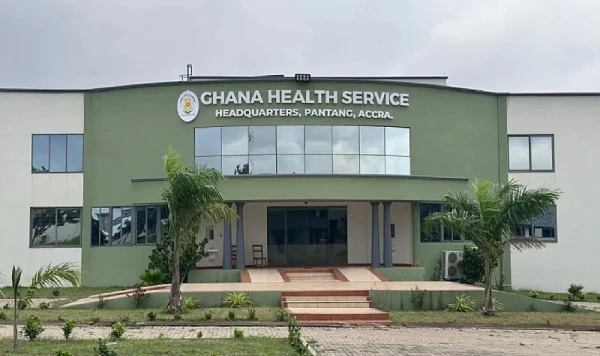
The Ghana Health Service (GHS) has identified four priority areas it says will determine the success of the government's flagship Free Primary Healthcare programme, calling for stronger community health systems, investment in health workers, digital innovation and sustainable financing.
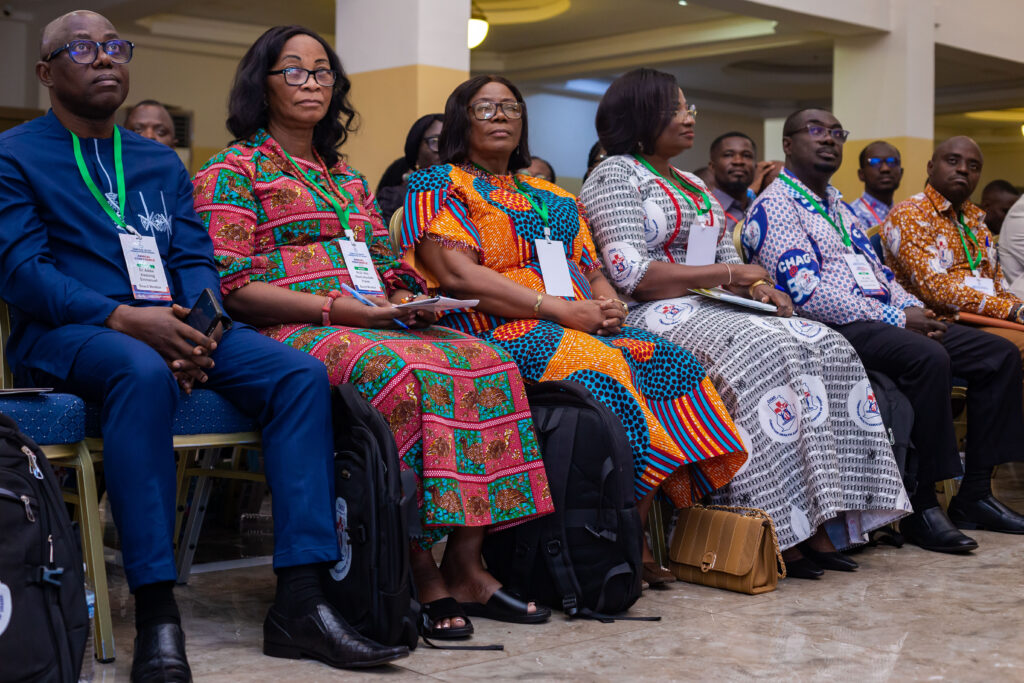
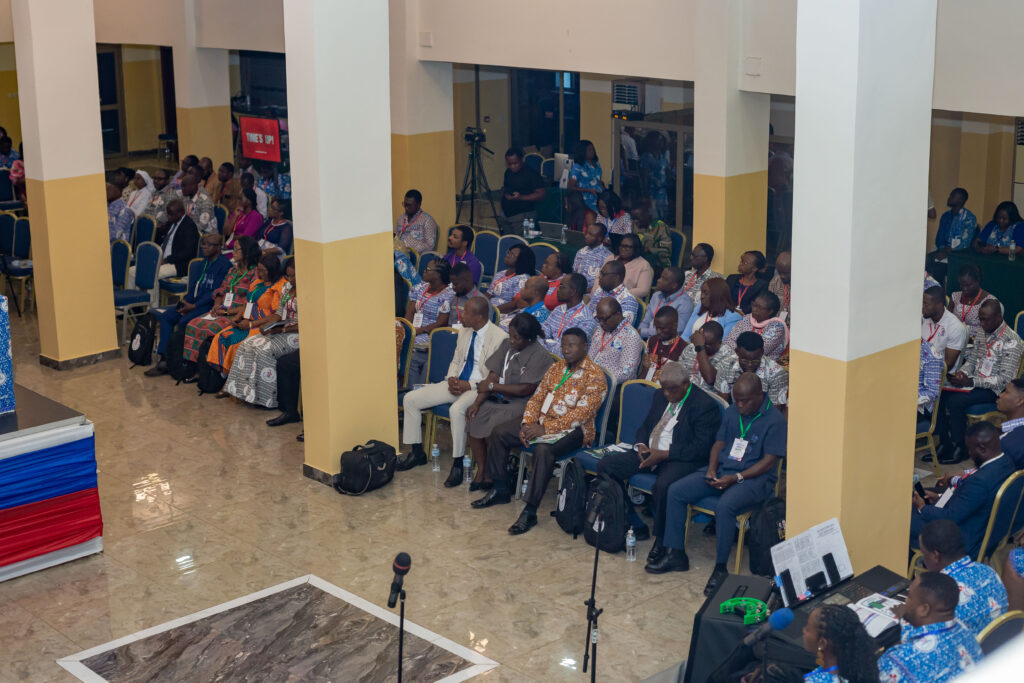
Speaking at the opening of the 2026 Christian Health Association of Ghana (CHAG) Annual Conference in Koforidua, Deputy Director-General of the Ghana Health Service, Dr. Caroline Reindorf Amissah, said while the policy presents a major opportunity to improve healthcare delivery, its success will depend on practical implementation at the community level.

"As we strengthen Free Primary Healthcare at the community level, four areas demand our collective attention. The Community-based Health Planning and Services (CHPS) strategy remains one of Ghana's greatest public health successes. Bringing healthcare closer to communities has improved access and outcomes across the country," she said.
According to Dr. Reindorf Amissah, the first priority is strengthening community-based health systems by building on the success of the Community-based Health Planning and Services (CHPS) strategy.
She stressed that stronger collaboration between CHAG facilities, CHPS compounds, district health systems and local communities would be essential to expanding access to quality healthcare, particularly in underserved areas.
The second priority, she said, is investing in Ghana's health workforce, describing healthcare professionals as the backbone of the country's health system.
"We must continue investing in training, professional development, motivation and staff retention, particularly in rural and underserved communities," she said.
Dr. Reindorf Amissah acknowledged that retaining skilled health workers in deprived communities remains one of the health sector's biggest challenges, as many professionals seek transfers shortly after accepting postings.
"Too often, healthcare workers accept postings to deprived areas only to request transfers after a short period. While transfers are sometimes necessary, we must also build the capacity of those who are willing to remain and serve these communities," she noted.
She praised CHAG for its ability to retain committed health professionals in remote communities, saying many of its staff continue to serve because they understand the impact of their work on people's lives.
"CHAG has demonstrated that many health professionals willingly dedicate themselves to serving remote communities because they understand the difference they make in people's lives," she said.
The third priority identified by the Ghana Health Service is the adoption of digital innovation and data-driven decision-making to improve healthcare planning and service delivery.
"Better data leads to better planning. It strengthens disease surveillance, improves patient outcomes and ensures more efficient use of our limited resources," Dr. Reindorf Amissah said.
She encouraged greater investment in digital health technologies, including telemedicine and other innovative solutions that can improve patient care, strengthen clinical support and enhance the maintenance of medical equipment.
"We should continue exploring digital technologies such as telemedicine and other innovative solutions that improve healthcare delivery while helping maintain medical equipment and strengthening clinical support across facilities," she added.
The fourth priority, she said, is ensuring sustainable financing to support the long-term implementation of the Free Primary Healthcare programme.
"Free Primary Healthcare is free for patients, but someone must pay for the services delivered," she said.
While acknowledging the government's commitment to financing the programme, Dr. Reindorf Amissah urged health sector stakeholders to improve efficiency, reduce waste and strengthen partnerships to ensure available resources are used effectively.
"We must strengthen partnerships, improve efficiency, reduce waste and adopt innovative approaches that will sustain quality healthcare over the long term," she stated.
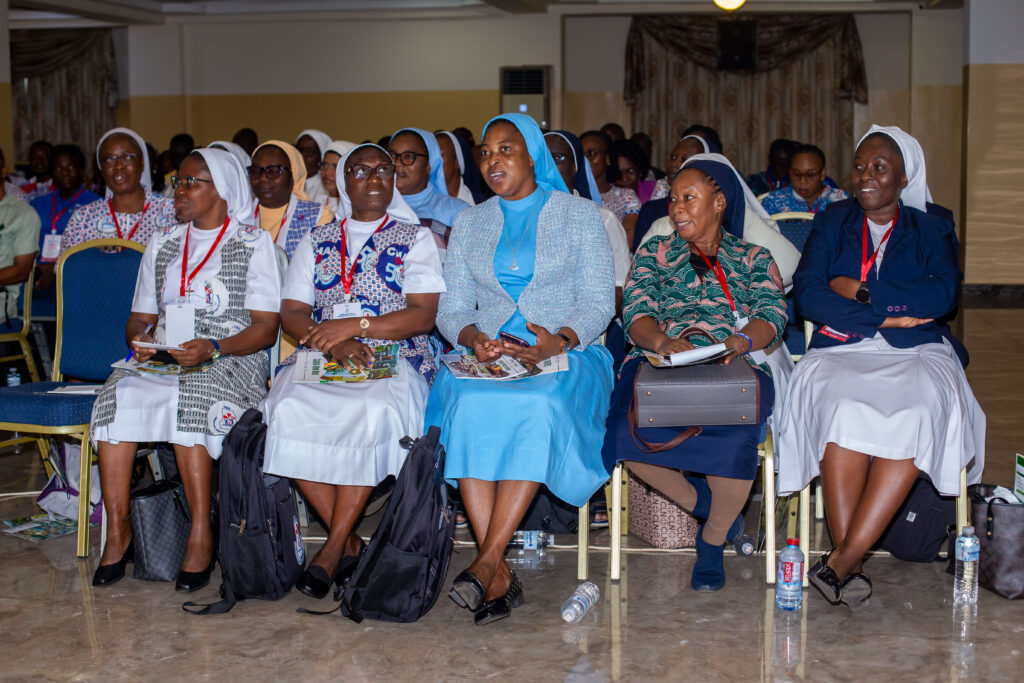
Beyond the four priorities, Dr. Reindorf Amissah reaffirmed the Ghana Health Service's commitment to working closely with CHAG, describing the association as one of Ghana's most important healthcare partners.
She said CHAG's extensive network of hospitals, clinics, health training institutions and community-based services continues to deliver quality healthcare to some of the country's most vulnerable populations, particularly in rural and hard-to-reach communities.
"They serve communities that many others struggle to reach. They provide healthcare to some of the country's most vulnerable populations, often in places where access remains difficult," she said.
Dr. Reindorf Amissah also commended CHAG for its longstanding contribution to Ghana's health sector, noting that the association's work has increasingly attracted recognition and support from government and development partners.

"It is encouraging that this contribution is increasingly receiving the recognition it deserves, attracting more support and more partners who are helping ensure quality healthcare reaches people where they live," she said.
She concluded by calling on all stakeholders to remain focused on practical solutions that improve healthcare delivery.
"As we deliberate over the coming days, let us remain focused on what is practical and achievable. Let us improve quality. Let us deepen community engagement. Let us strengthen our workforce. And let us ensure equitable access to healthcare for every Ghanaian," she said.
The 2026 CHAG Annual Conference is being held under the theme "Positioning CHAG to Deliver People-Centred Free Primary Healthcare at the Community Level", bringing together policymakers, health professionals and development partners to discuss strategies for strengthening primary healthcare and advancing Universal Health Coverage in Ghana.
Latest Stories
-
Government procures over 2,000 transformers as Ghana’s electricity access hits 89.13% – Energy Minister
26 minutes -
UTAG-UG threatens strike on October 19 over unpaid allowance
34 minutes -
Let The Constitution direct Chieftaincy to deliver “All Development Is Local”
2 hours -
John Jinapor outlines renewable energy, nuclear power priorities for 2027
2 hours -
Ghana explores centre of excellence for hearing, communication and cochlear implant care
3 hours -
Schizophrenia-related disorders lead mental health cases recorded in Ghana
4 hours -
Dutch authorities enlist Ghana in hunt for fugitive drug lord Bolle Jos
4 hours -
Ghana housing finance conference adopts communiqué to improve affordable housing access
8 hours -
Special Initiatives Minister urges Wa Technical Institute to enrol more girls as EU-backed solar training lab opens
9 hours -
In the matter of my first year at the Bar
9 hours -
ActionAid Ghana calls for an end to child marriage, greater investment in girls’ rights
9 hours -
Newsfile to tackle World Cup visa scandal, beach demolitions, education strikes, BRICS bid
9 hours -
UK-Ghana Trade & Investment Summit: Trade Resource Centre to help businesses maximise UK-Ghana trade opportunities
10 hours -
Embassy of Denmark celebrates World Maritime Day
10 hours -
Linking LEAP to productive inclusion could cut extreme poverty by 2030 – UNICEF
11 hours