

Audio By Carbonatix
The World Health Organisation (WHO) has identified the Christian Health Association of Ghana (CHAG) as a critical partner in the successful implementation of the government's flagship Free Primary Healthcare programme, citing the association's extensive rural presence, decades of community service and trusted relationships with millions of Ghanaians.
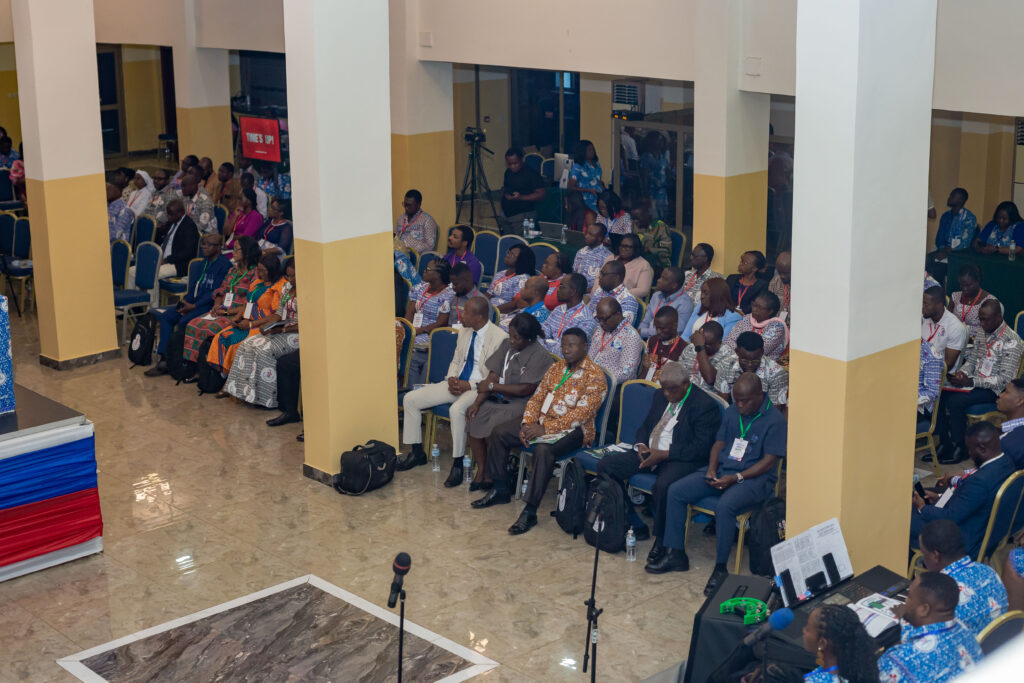
Speaking at the opening of the 2026 CHAG Annual Conference in Koforidua, WHO Representative to Ghana, Dr. Fiona Braka, said the ambitious health reform presents Ghana with a unique opportunity to accelerate progress towards Universal Health Coverage but stressed that its success will depend on institutions already embedded within communities.
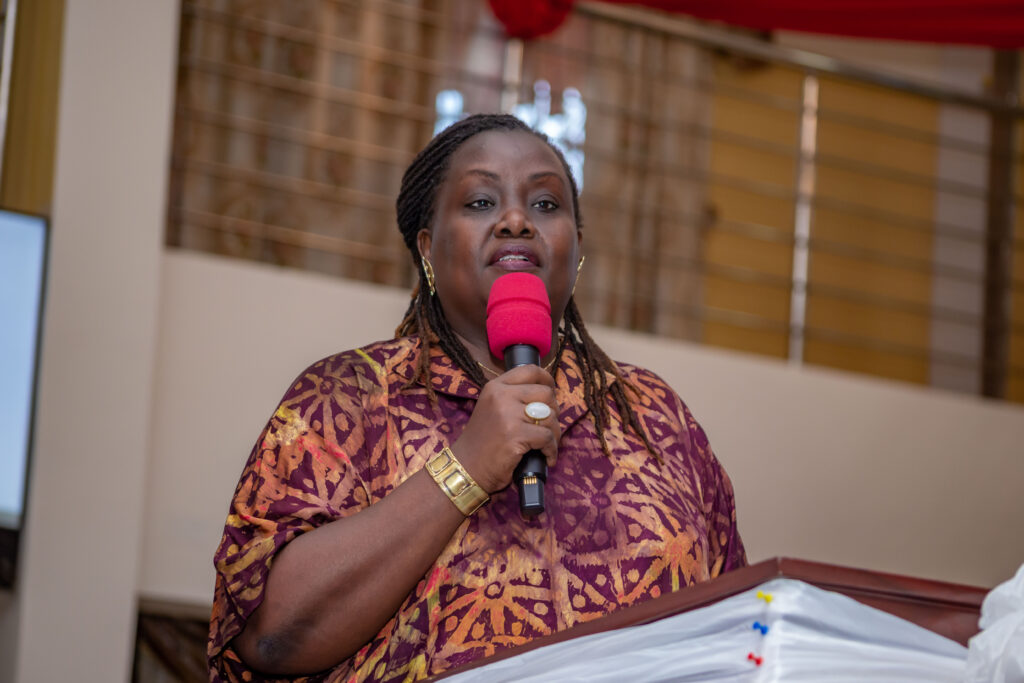
"As Ghana embarks on the implementation of Free Primary Healthcare, CHAG's extensive presence, experience and trusted relationships with communities position it as a critical partner in ensuring that this reform translates into meaningful improvements in people's lives," she said.
According to Dr. Braka, CHAG's long history of providing healthcare in rural, remote and underserved communities makes the association uniquely positioned to support the government's efforts to expand access to quality healthcare.
"For many decades, CHAG has been a pillar of Ghana's health system. Through its network of hospitals, clinics, health training institutions and community-based services, CHAG has brought healthcare closer to millions of Ghanaians, particularly those living in rural, remote and underserved communities," she stated.
She explained that while the Free Primary Healthcare programme is designed to remove financial and geographical barriers to healthcare, meaningful impact will only be achieved if services are delivered where people live.
"The Government of Ghana's commitment to implementing Free Primary Healthcare presents us with a unique opportunity to accelerate progress towards Universal Health Coverage and to ensure that quality, essential health services are accessible to everyone, regardless of where they live or their ability to pay," she said.
Dr. Braka noted that despite improvements in Ghana's health system, many families continue to face significant barriers in accessing basic healthcare.
"Recent evidence reminds us that access to health services remains uneven across Ghana. In many districts, families still travel long distances to access basic primary healthcare services and treatment for non-communicable diseases," she said.
She stressed that strengthening primary healthcare remains the most effective pathway towards achieving Universal Health Coverage.
"Globally, the evidence is clear. Countries that have made significant progress towards Universal Health Coverage have done so by building strong primary healthcare systems," she said.
According to the WHO Representative, robust primary healthcare systems not only improve health outcomes but also strengthen the resilience and efficiency of national health systems.
"Primary healthcare improves health outcomes, promotes equity, reduces avoidable hospital admissions, strengthens health system resilience and provides the most efficient pathway towards achieving Sustainable Development Goal Three on health and well-being," she noted.
Dr. Braka emphasised that effective primary healthcare requires collaboration across government, faith-based organisations, private healthcare providers, civil society and development partners.
"Strong primary healthcare cannot be delivered by government alone. It requires partnerships. It requires collaboration among public institutions, faith-based organisations, private healthcare providers, civil society, communities, academia and development partners," she said.
She described the longstanding partnership between the Government of Ghana and CHAG as one of the country's greatest strengths in delivering healthcare to underserved populations.
The WHO Representative also reaffirmed the organisation's commitment to supporting CHAG as Ghana implements the Free Primary Healthcare programme.
"We deeply value this longstanding partnership with CHAG and appreciate your unwavering commitment to improving the health and well-being of the people of Ghana," she said.
"Today, I want to reaffirm WHO's solidarity with CHAG. We stand in solidarity with your mission. We stand in solidarity with your efforts to strengthen community-based healthcare delivery and ensure that quality healthcare reaches the most vulnerable. And we stand in solidarity with the thousands of health workers serving in CHAG facilities across the country."
Dr. Braka expressed confidence that stronger collaboration between government, CHAG and development partners would ensure the Free Primary Healthcare programme delivers lasting improvements in healthcare access and outcomes.
"Working together, we can build a health system that is equitable, resilient, people-centred and capable of delivering better health outcomes for all," she said.
Latest Stories
-
Ghana explores centre of excellence for hearing, communication and cochlear implant care
1 hour -
Schizophrenia-related disorders lead mental health cases recorded in Ghana
2 hours -
Dutch authorities enlist Ghana in hunt for fugitive drug lord Bolle Jos
2 hours -
Ghana housing finance conference adopts communiqué to improve affordable housing access
6 hours -
Special Initiatives Minister urges Wa Technical Institute to enrol more girls as EU-backed solar training lab opens
7 hours -
In the matter of my first year at the Bar
7 hours -
ActionAid Ghana calls for an end to child marriage, greater investment in girls’ rights
7 hours -
Newsfile to tackle World Cup visa scandal, beach demolitions, education strikes, BRICS bid
8 hours -
UK-Ghana Trade & Investment Summit: Trade Resource Centre to help businesses maximise UK-Ghana trade opportunities
8 hours -
Embassy of Denmark celebrates World Maritime Day
8 hours -
Linking LEAP to productive inclusion could cut extreme poverty by 2030 – UNICEF
9 hours -
Trade Ministry backs use of creative arts to rehabilitate prison inmates
9 hours -
Negotiations with government to continue despite strike suspension – GNAT
9 hours -
‘Ghana cannot afford to waste public resources; every cedi has a job’ – Ato Forson
9 hours -
Ghana expects economic boost as World Assemblies of God Congress brings 10,000 delegates to Accra
9 hours