

Audio By Carbonatix
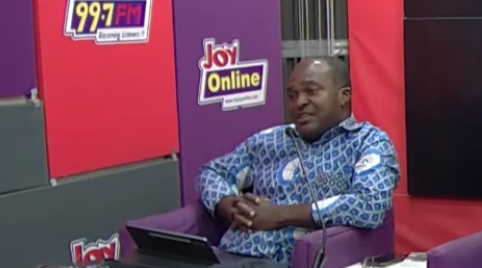
The Chairman of the Electrical/Electronics Division of the Ghana Institution of Engineering (GhIE), Ing. Ato Roberts, has cautioned that improper installation of electric vehicle (EV) charging systems at homes could overload electrical circuits and create serious safety risks, including fire outbreaks.
He has therefore urged EV owners who intend to charge their vehicles at home to use electricians certified by the Energy Commission and ensure that the charging system is properly wired into the home’s electrical panel.
Ing. Roberts said EV charging should not be treated like plugging an ordinary household appliance into a socket because of the amount of power required by the vehicles.
Speaking on Joy FM’s Super Morning Show on Friday, September 4, during a discussion on electric vehicles and internal combustion engine (ICE) vehicles, Ing. Roberts said that homeowners should not simply use an existing household socket to charge an electric vehicle.
His comments followed a concern raised by a listener who said an attempt to install a home charging point had nearly caused a fire.
He said a home charging point must have a dedicated electrical supply and be installed properly to handle the load.
“And for those even to install a charger at home, you would have to get a direct supply. You can't have it just from a socket. It has to be properly wired,” he said.
He also advised EV owners to ensure that the electrician carrying out the installation is certified by the Energy Commission.
“The Energy Commission certifies electricians to do this work. So, if you want to do charging at home, you need to ensure that whoever is going to do it has been certified by the Energy Commission,” Ing. Roberts said.
He warned motorists against engaging unqualified persons to install EV charging systems simply because they are available or offer the service at a cheaper cost.
“You just don't call anyone from the wayside to just come and fix them down for you,” he cautioned.
According to Ing. Roberts, one of the key safety requirements is that the charging point must be connected directly to an appropriate breaker in the home’s electrical panel.
“And the key is that it has to be directly wired to a breaker in your panel,” he explained.
He warned that failing to do this could place excessive demand on existing household circuits.
“If that is not done, then it's likely to overload some of the circuits in your home,” he said.
He explained that the Energy Commission was developing EV charging standards, although the process was still under discussion.
“They are coming up with EV charging standards, which are still under discussion. But that comes with certain requirements even to do residential charging."
“The Energy Commission is the regulator to regulate the use of energy in our homes and in public spaces, and we've had some engagements with them,” he added.
Latest Stories
-
Labour Minister wants SOEs to help shape new public pay system
19 minutes -
IPEC will ensure Equity and Sustainability in SOEs Compensation
49 minutes -
White House bars CNN from travelling with Trump on Air Force One
2 hours -
Fennis wins second consecutive ITF J60 title in Accra
2 hours -
Spain beat England in thriller after Kane penalty miss
2 hours -
GPL 2026/27: Zaidan’s late goal ends Hearts of Oak unbeaten start
2 hours -
CEOs demand clarity on pay harmonisation, board autonomy as FWSC engages SOEs bosses over IPEC transition
2 hours -
2026 Women’s Super Cup: FC Savannah, Epiphany Warriors maintain top spots ahead of final group games
2 hours -
‘Is EOCO responsible for determining lawyers’ fees?’ – Baffour Awuah
2 hours -
David Beckles claims second J60 Accra title
2 hours -
No France cocaine suspect linked to Mahama, Vice President’s security details – NACOC
3 hours -
Anwelle Foundation launched in Jirapa to tackle poverty, youth unemployment
3 hours -
Joy Sports Editor Fentuo Tahiru Fentuo to moderate inaugural Music Meets Football Summit in Zambia
3 hours -
Court premises too volatile for Baffour Awuah’s attempted arrest by EOCO – Inusah Fuseini
3 hours -
Drug bust: Under no circumstances will NACOC leadership be compromised – Twum-Barimah
3 hours