

Audio By Carbonatix
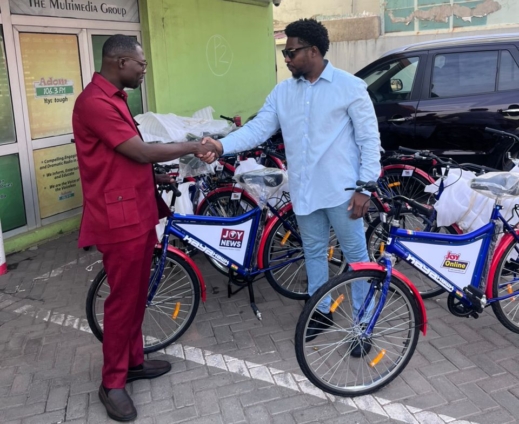
Trans Sahara Industries, in partnership with Opportunity International, has donated 11 bicycles worth Gh₵26,400 to students in the Nanumba North District as part of their Bicycle for Growth initiative.
This donation follows a JoyNews report highlighting the plight of students who have to walk over 12 kilometres daily to access education.
Read also: Students in Nanumba North Municipality walk 12km to and from school to access JHS education

Gerald Acheampong, CEO of Trans Sahara Industries, explained that the goal of the initiative is to improve transportation for students in under-served communities.
He emphasised that providing bicycles would alleviate commuting challenges for students in remote areas, enabling them to access education more easily.
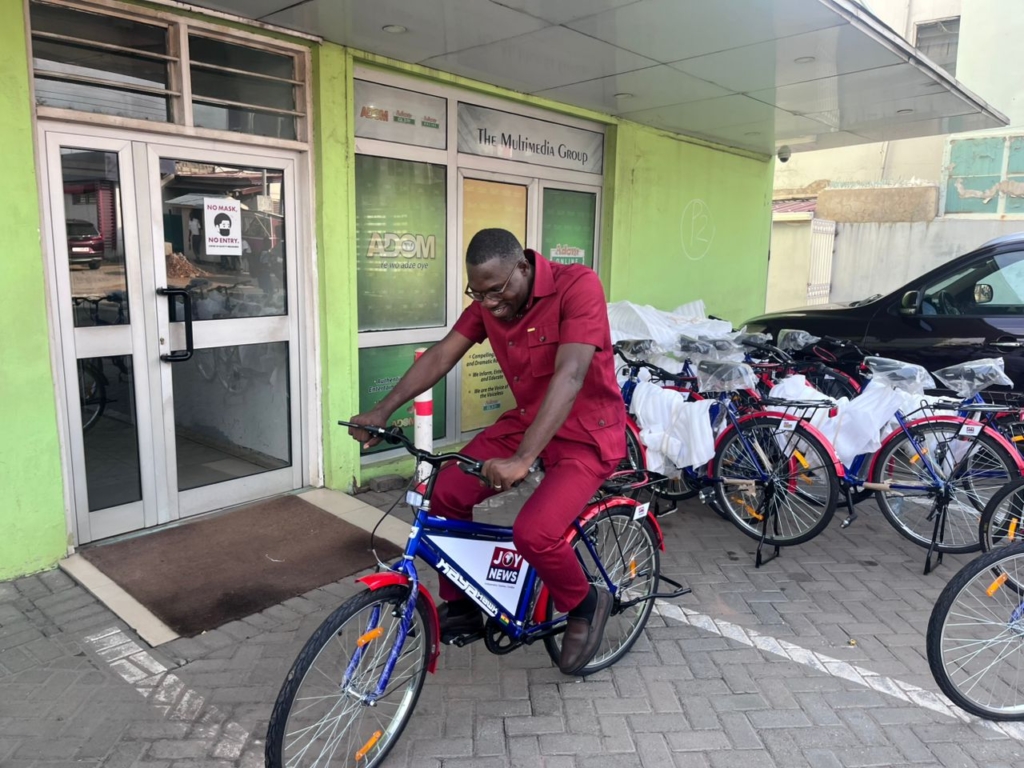
Trans Sahara Industries, a company that assembles bicycles and electric motorcycles, initially collaborated with USAID to distribute bicycles to disadvantaged communities in Ghana.
However, following USAID's withdrawal of support, the company sought alternative partnerships to continue the project.
Acheampong shared that discussions with traditional leaders and government officials, including a visit to Otumfuo's palace, led them to collaborate with Opportunity International and address the challenges faced by students in the Northern region.
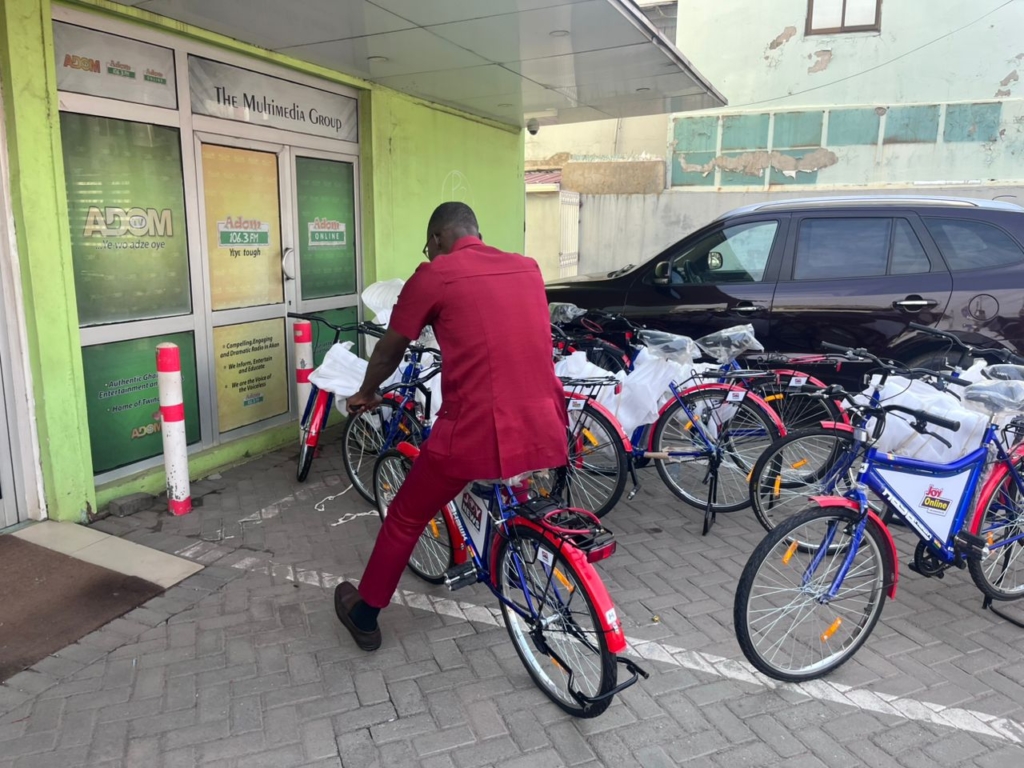
The decision to donate to the Nanumba North District was directly inspired by a JoyNews report on the struggles of students, some of whom walk up to 14 kilometres each day to school.
With financial backing from Opportunity International, Trans Sahara Industries aims to reduce the burden of long-distance travel, improve school attendance, and enhance access to education.
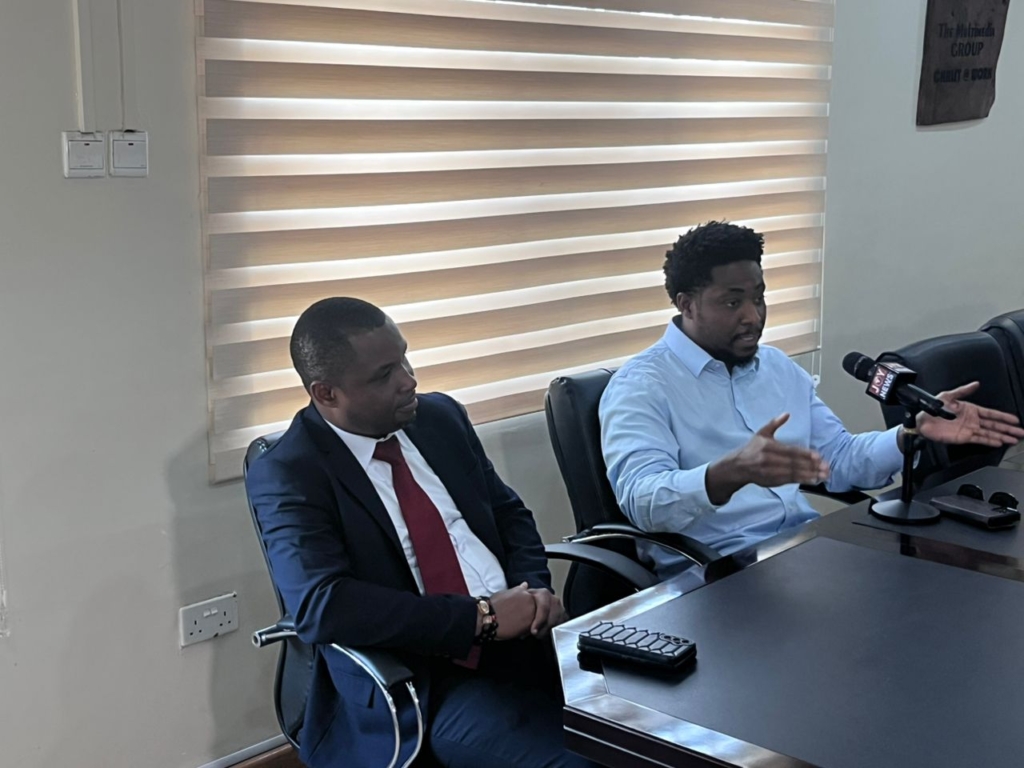
In communities like Kubuabu, Namani, Manchuni, Jeji, Na Sungdo, and Tigbando, where many children must walk several kilometres to continue their education, this donation will provide crucial support.
Students like Grundoow Godwin, who travels 14 kilometres each day, will benefit from the initiative, reducing their daily struggles and enabling them to pursue their education more easily.
The Bicycle for Growth project is expected to make a significant, long-lasting impact on students in remote areas, improving their access to education and enhancing their quality of life.
Latest Stories
-
Ghana, UNICEF strengthen partnership to advance child protection
4 minutes -
Day Two of 3rd Republic Bank-JoyNews Habitat Fair ends with great homeownership offers and financing solutions
8 minutes -
Guinness Ghana DJ Awards 2026 Pub Fest celebrates Ghana’s DJ culture as Accra turns up the energy
26 minutes -
10th woman found dead in South Africa’s string of killings
26 minutes -
French Embassy trains Ghana Police CTU in counter-terrorism operations
58 minutes -
UPSA uncovers mass results manipulation involving 178 students, over 500 results compromised
2 hours -
ECG announces planned power outages in parts of Tema from Sept. 29 to October 1
2 hours -
Sylvester Mensah urges Latenu FM to promote trade, export opportunities in Ga
2 hours -
Ga language under threat of decline as children shy away from speaking it – Sylvester Mensah
2 hours -
‘Let every Ga child you raise know the Ga language and story’ – Sylvester Mensah
2 hours -
‘We are not deterred’ – Ablakwa responds to backlash over South Africa evacuation
2 hours -
Day Two: Republic Bank-JoyNews Habitat Fair gains momentum at Junction Mall
3 hours -
NCA announces major voice and data disruption across Northern Ghana due to fibre cuts
3 hours -
Photos: Housing solutions take centre stage at Day 2 of the 3rd Republic Bank-JoyNews Habitat Fair
4 hours -
Nana Agyei Baffour Awuah denies GHS2.2m legal fee payment allegation
4 hours