

Audio By Carbonatix
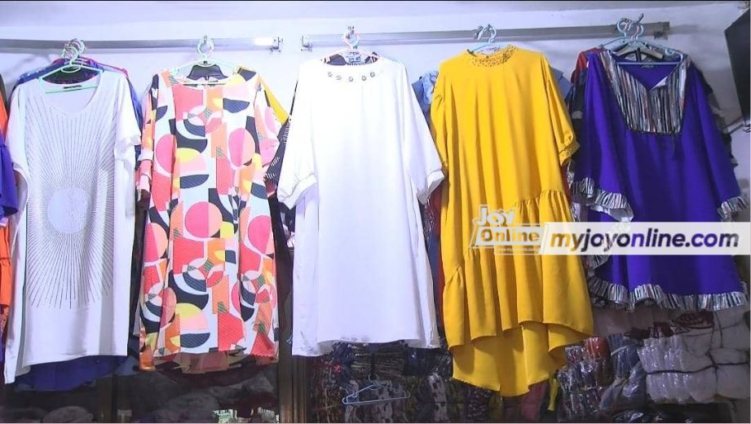
With barely two weeks to Christmas, one would expect that sales of clothes or fashion apparel will boom.
However, vendors of fashion apparel are lamenting the low sales.
Kantamanto is one of the biggest market centers in the country where one can afford both retail and wholesale clothes at a cheaper price. It is therefore not surprising that people travel far and near for shopping at 'Kanta'.
But something has changed in recent years. Traders in the business say Kantamanto is no more the “donkomi” market we know.
They lament the high prices of fashion apparel and low sales and blame it on various contributing factors.
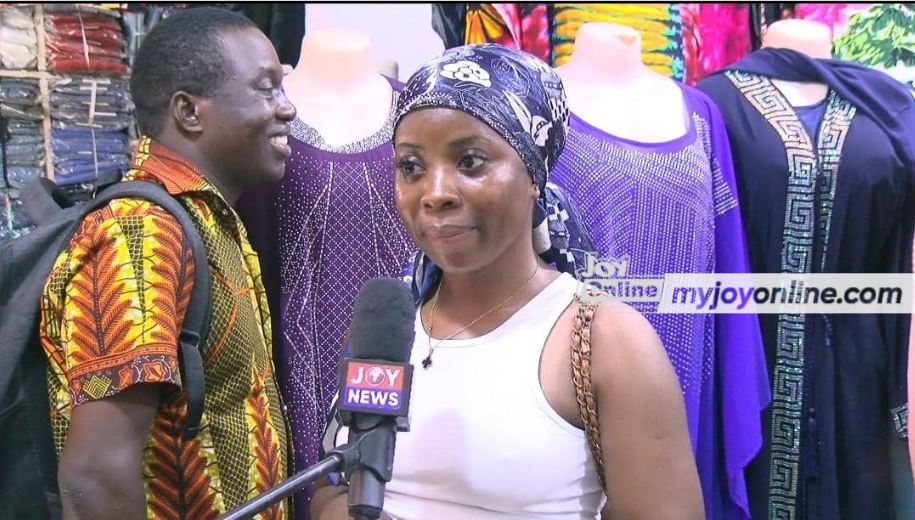
According to them, the cedi depreciation against the dollar and other major trading currencies have affected sales this festive season.
"Prices of things have changed. Things we used to pay less, we pay more now. The rise of the dollar and other trading currencies has affected the prices of goods," a trader told JoyNews.
Some of the traders say the preference for online shopping has in some way, affected their clothing businesses because they don’t do delivery and online advertisement.
"We’ve been working with online vendors. People who work in offices do not have the luxury of time to walk in and purchase clothes; unless the online vendors advertise and deliver the clothes to them. This has reduced the number of people who walk in to buy,"
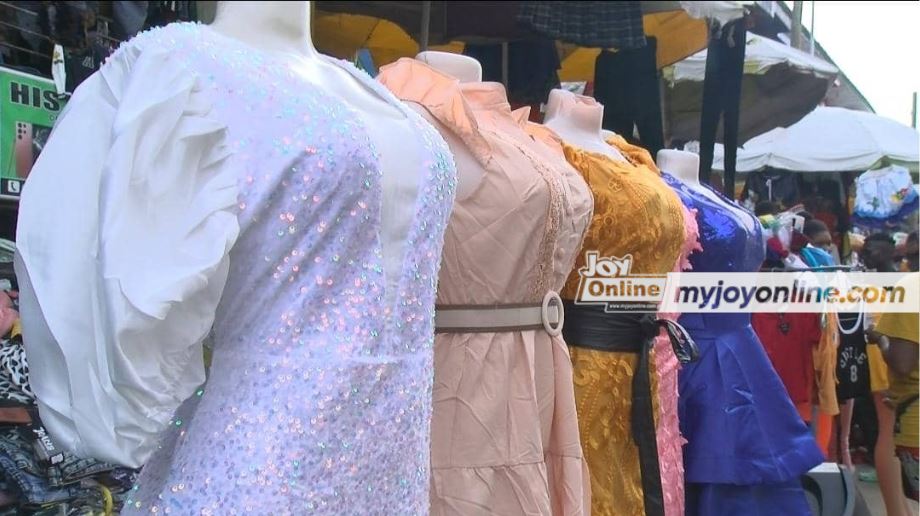
It is no news that the cost of fuel has affected everything in the country and the clothing business is not left out. The vendors assert that the high cost of fuel is having adverse effects on the prices and sale of clothes. They claim that people are not buying due to the high prices.
"Although the cost of fuel has been reduced, transportation remains the same," the trader added.
Meanwhile, some customers say they prefer to buy clothes at wholesale prices at Kantamanto and in turn, sell them online and deliver them to people who cannot travel to get these clothes.
"I won’t post this for 50 cedis, the price at which I bought it here; but rather 80 cedis because the cost of transportation is high."
But let’s not forget that e-commerce in the fashion industry comes with its snag. Haven’t heard of “What I ordered versus what I got?” This is a subject for another day.
Latest Stories
-
Government must order payment of promoted teachers’ salaries – GNAT
16 seconds -
Meet Sethina Edem Sunu, the healthcare professional eyeing the NDC UK & Ireland deputy organiser role
4 minutes -
The myth of ‘sophisticated customer experience’ in the digital age
8 minutes -
What happened to lands reserved for sanitary sites? -WasteCare CEO calls for audit
9 minutes -
Manasseh Writes: The shift in the NPP
25 minutes -
The price of a seat: Financial barriers and the structural quality of Ghana’s Parliament
30 minutes -
Government targets October 16 for first tranche of teacher arrears – Haruna Iddrisu
34 minutes -
Daily Insight for CEOs: The CEO’s role in driving innovation
38 minutes -
Audit existing sanitary sites to address waste management land shortages – WasteCare CEO urges assemblies
40 minutes -
Two-bin household waste system could support waste-to-energy in Ghana – Waste Care Associates CEO
46 minutes -
Dealing with political and social media insults
49 minutes -
Essi Donkor urges stronger support for girls’ education, announces GH¢2,000 BECE reward
49 minutes -
Ghana still needs landfills but Accra should prioritise waste-to-energy – Waste Care Associates CEO
57 minutes -
Godwin Mahama declares bid for NDC Greater Accra Regional Secretary
1 hour -
Bawumia unveils NPP plan to scout parliamentary candidates capable of winning parliamentary seats
1 hour