

Audio By Carbonatix
Study indicates that individuals in Kenya have an overall well-being score below the global average; Kenya recorded the lowest in the Financial index at 44.3 points, significantly below the global average of 56 points; Kenya reported one of the highest burnout rates globally at 95 percent; Findings serve as a wake-up call to employers in Kenya to prioritize the well-being of their workforce.
Kenya has a lower overall well-being score than the global average, according to the latest Cigna 360° Global Well-Being Survey: Kenya Report. The survey, conducted as part of the eighth annual 360° Global Well-Being Survey, shed light on the impact of the "Great Exhaustion" phenomenon in Kenya, where financial strains and work pressures are contributing to burnout, stress, and challenges for mental health and workplace dynamics.
The survey revealed that Kenya scored 60.6 on the 360°Well-being index, failing below the worldwide average of 62.9. While Kenya fared better than certain economies, such as Hong Kong (56) and Singapore (59.7), it fell behind others, including the United Arab Emirates (68.3), the United Kingdom (60.9), and China (66.5).
Kenya also lagged behind the global standard in the Workplace index. A staggering 85 percent of respondents constantly felt connected to work, compared to the global rate of 72 percent, resulting in one of the highest burnout rates globally, with 95 percent of respondents suffering from at least one symptom of burnout.
Notably concerning, respondents from Kenya indicated the highest stress levels among the 16 countries surveyed, reaching 93 percent compared to the global average of 82 percent. This heightened stress had evident repercussions, with individuals in Kenya experiencing disrupted sleep, reduced social interactions, difficulty concentrating, and a waning interest in usual activities.
Despite an economic bounce back, financial worries are significantly impacting well-being, with Kenya’s Financial index scoring well below the global average. Only 7 percent of respondents felt they had sufficient money for retirement, and just 9 percent rated their current financial situation as excellent.
The report also uncovered gender disparities in financial well-being, with men scoring higher (46.6) than women (41.8), indicating inequalities in meeting family medical needs and maintaining their current standard of living.
On a positive note, Kenya scored above the global average in Physical and Social Health indexes. With a score of 62.4, which exceeds the global average of 60 points, Kenya surpassed countries like the UK, the United States, and Australia in physical health. Additionally, Kenya's social health score also exceeded the global average, with a score of 63.9 points compared to the worldwide figure of 62.9.
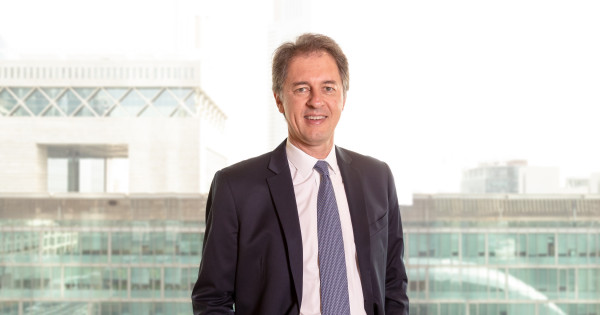
In response to the findings, Jerome Droesch, Chief Executive Officer of Domestic Health and Health Services for Cigna International Markets, underscored the critical significance of employers giving precedence to well-being within the workplace. Droesch emphasized, "We are witnessing a significant shift in people's priorities across all age groups post-pandemic, particularly among the youth, who are increasingly receptive to job changes."
"Employers must acknowledge this evolving landscape. Addressing well-being is no longer a mere option; it has become an absolute necessity. The findings serve as a wake-up call to employers in Kenya, urging them to prioritize the holistic well-being of their workforce and contribute to the creation of a more flourishing society."
Virtual health preferences in Kenya exceeded the global average, with a majority preferring quick virtual appointments and expressing trust in virtual consultations. This indicates a paradigm shift in Kenya’s acceptance of new technology when it comes to their healthcare needs.
Leah Cotterill, Chief Distribution Officer for Cigna Insurance Middle East, and Africa said, “The 360° Global Well-Being Survey Kenya Report acts as a reflection of Kenya’s realities, encompassing challenges and aspirations and underscoring the paramount importance of comprehensive well-being. Mental, financial, family health, and accessibility to care stand prominently among respondents' priorities.”
The eighth annual 360° Global Well-Being Survey Kenya Report was recently conducted by Cigna Healthcare, encompassing insights from 11,922 respondents aged 18-65 years across key markets worldwide. For the full report, please visit the Cigna 360° Global Well-Being Survey.
Distributed by APO Group on behalf of Cigna Healthcare.
Latest Stories
-
Interest payments to average a high 20% of government revenue over next 4 years
3 hours -
Strategy of accumulating foreign reserves, gold carries high fiscal cost – S&P Global
3 hours -
Weak institutional arrangements, high debt servicing constrain Ghana’s rating – S&P
3 hours -
Bond market: Turnover declined by 28% to GH¢1.56bn
3 hours -
Volta Region National Public Speaking contest advances drug prevention conversation
3 hours -
New health training facility at Ampoma-Jema to address admission shortfalls, but Minister flags missing amenities
4 hours -
Black Challenge unveiled with sights set on Amputee World Cup glory
4 hours -
Pay striking teachers before expressway spending, Dr Kingsley Agyemang tells government
5 hours -
Customs intercepts assault rifle, two pistols and 610 rounds of ammunition at Tema Port
5 hours -
PKO boxers secure wins at Odwira Festival
5 hours -
South Tongu Records Rise in Teenage Pregnancy
6 hours -
Cabinet threw out US health compact faster than anything I’ve seen – Mahama
6 hours -
MoFA urges Finance Ministry to reverse World Bank food programme withdrawal over GH¢643m commitments
6 hours -
NAGRAT demands signed timelines before calling off strike
6 hours -
National Investment Quiz: West Africa SHS, St. Louis SHS advance to semi-finals
6 hours