

Audio By Carbonatix
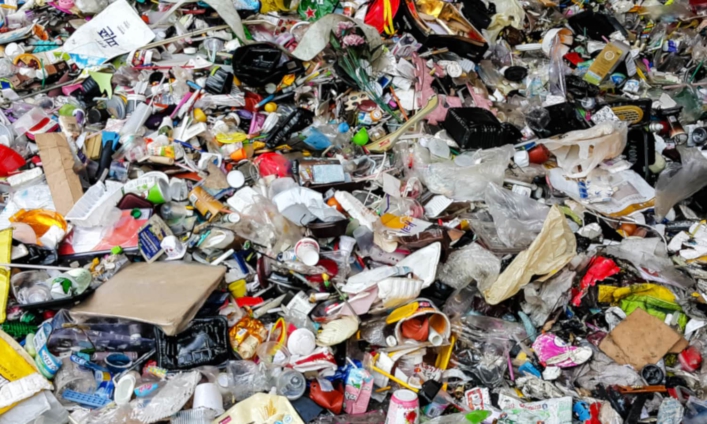
The Department of Food Science and Technology of the Kwame Nkrumah University of Science and Technology will on this year's World Food Safety Day, focus on how plastics end up in food.
According to the Head of Department, Prof. Isaac Williams Ofosu, the event is informed by negative health effects of plastics in the food industry.
“We are concerned with the indiscriminate and widespread use of plastics in food packing and cooking in Ghana and its health implications,” he said.
There is the need to access sufficient amounts of safe food which is key to sustaining life and promoting good health.
Foodborne illnesses are usually infectious or toxic in nature and often invisible to the plain eye, caused by bacteria, viruses, parasites or chemical substances entering the body through contaminated food or water.
Food safety has a critical role in assuring that food stays safe at every stage of the food chain - from harvesting, processing, storage, distribution, all the way to preparation and consumption.
With an estimated 600 million cases of foodborne illnesses annually, unsafe food is a threat to human health and economies, disproportionally affecting vulnerable and marginalized people, especially women and children, populations affected by conflict, and migrants.
An estimated 420,000 people around the world die every year after eating contaminated food and children under 5 years of age, carry 40% of the foodborne disease burden, with 125,000 deaths every year.
World Food Safety Day which is marked on June 7, aims to draw attention and inspire action to help prevent, detect and manage foodborne risks, contributing to food security, human health, economic prosperity, agriculture, market access, tourism and sustainable development.
The World Health Organization (WHO) and the Food and Agriculture Organization of the United Nations (FAO), jointly facilitate the observance of World Food Safety Day, in collaboration with Member States and other relevant organizations.
This international day is an opportunity to strengthen efforts to ensure that the food we eat is safe, mainstream food safety in the public agenda and reduce the burden of foodborne diseases globally.
Food safety is everyone’s business
Under the slogan “Food safety, everyone’s business”, the action-oriented campaign promotes global food safety awareness and calls upon countries and decision makers, the private sector, civil society, UN organizations and the general public to take action.
The way in which food is produced, stored, handled and consumed affects the safety of our food.
Complying with Global food standards, establishing effective regulatory food control systems including emergency preparedness and response, providing access to clean water, applying good agriculture practices (terrestrial, aquatic, livestock, horticulture), strengthening the use of food safety management systems by food business operators, and building capacities of consumers to make healthy food choices are some ways in which governments, international organizations, scientists, the private sector and civil society work to ensure food safety.
Food safety is a shared responsibility between governments, producers and consumers.
Everybody has a role to play from farm to table to ensure the food we consume is safe and will not damage our health.
Through World Food Safety Day, WHO and FAO pursue efforts to mainstream food safety in the public agenda and reduce the burden of foodborne diseases globally.
The World Food Safety Day (WFSD), celebrated every June 7, reaches its fourth edition this year, gaining more relevance worldwide. Its main objective is to draw attention and inspire actions to help prevent, detect and manage foodborne risks, contributing to food safety, human health, economic prosperity, agriculture, market access, tourism and sustainable development.
This year's theme is "Safer Food, Better Health". The access of safe food is essential for the health and well-being of people, animals and the environment. Only when food is safe, we can benefit from its nutritional value and the mental and social benefits of sharing a safe meal.
We all have a role to play, from farm to table, in making sure the food we eat is safe and doesn't harm our health. Safe food is essential to promoting consumer health and well-being and ending hunger, two of the 17 main UN Sustainable Development Goals (SDGs).
“Food safety is everyone's business” is the slogan for World Food Safety Day and urges that we all play a role in maintaining food safety throughout the entire supply chain, from farm to table.
Latest Stories
-
NDC suspends vetting exercise in Krowor constituency, reschedules to September 29
15 minutes -
Extractive firms urged to strengthen cyber defences as digital risks grow
28 minutes -
Photos: Mahama engages Ghanaian diaspora in New York on Ghana’s economic recovery
31 minutes -
Man jailed 10 years for defiling 11-year-old girl at Kpandai
1 hour -
At least 27 people killed in two shootings in South African township
2 hours -
Iranian minister says only negotiation can end conflict after Trump rejects Hormuz deal
2 hours -
Some Ghanaians use free speech to destroy reputations – Bobby Banson
2 hours -
Crowds, deals and home solutions as Republic Bank-JoyNews Habitat Fair enters final day
5 hours -
Fire Service finds only five functional hydrants in Ministries enclave
6 hours -
Government to sign 1,200MW gas power deal before end of 2026 – Mahama
6 hours -
West Mamprusi launches community-led WASH and livelihoods project across 100 communities
6 hours -
Iran says it will wait for official US response after Trump rejects Strait of Hormuz proposal
6 hours -
90 Oti communities to benefit from government electrification project
6 hours -
Floods leave 246 without shelter as 93 houses collapse in North East Gonja
6 hours -
Labour Minister wants SOEs to help shape new public pay system
11 hours