

Audio By Carbonatix
In 2019, Ghana hosted the historic Year of Return. It was powerful, symbolic, and deeply moving: thousands of African Americans and Caribbeans traced their ancestry back to the Motherland. The government capped the year by granting 126 diaspora members Ghanaian citizenship in a ceremony full of pomp and nostalgia.
Available records indicate that Ghana has granted citizenship to 624 people since 2019, including a significant number of individuals from the diaspora, with a historic ceremony in November 2024 granting citizenship to 524 people, and a 2022 event subsequently granting it to over 100 others.
The Law and the Loophole
Our 1992 Constitution (Article 6) and the Citizenship Act, 2000 (Act 591) allow people of African descent to apply for Ghanaian citizenship. It is a noble recognition of history — an acknowledgement of the forced severance of millions during the trans-Atlantic slave trade.
Other nations long ago realised that citizenship is an economic tool. Portugal’s Golden Visa has brought in more than €7 billion in foreign investment since 2012. Malta’s citizenship-by-investment scheme generates hundreds of millions annually for public infrastructure. In the Caribbean, countries like St. Kitts, Antigua, and Dominica have built airports, hospitals, and schools from citizenship programmes.
They understand what Ghana does not - citizenship must serve the state.
The Case for a Ghanaian Golden Visa
We need a bold pivot — away from free naturalisations towards a Golden Visa framework. If diaspora applicants truly love Ghana, they should be prepared to invest in Ghana’s future.
This does not mean abandoning Pan-African ideals. Quite the opposite. By requiring diaspora applicants to invest in agriculture, housing, renewable energy, or Ghana’s bond market, we tie citizenship to nation-building. We transform a nostalgic homecoming into a concrete contribution.
Imagine if the 750 new citizens since 2019 had each been required to invest even $200,000, with an option to own a house or apartment with this investment. Ghana would have raised over $150 million in direct capital, funds that could build schools, modernise hospitals, or stabilise our currency reserves, and our new citizens would have acquired a home in Ghana, which could be rented out to help address the huge housing deficit that Ghana faces.
History matters. The scars of slavery and displacement cannot be ignored. But let us be honest: nostalgia will not strengthen or stabilise the cedi.
Every free passport handed out without an economic obligation is a lost opportunity. A Ghanaian passport is valuable — access to ECOWAS markets, visa-free travel across Africa, and a respected global identity. Why give it away when we can use it as a vehicle to finance growth?
******
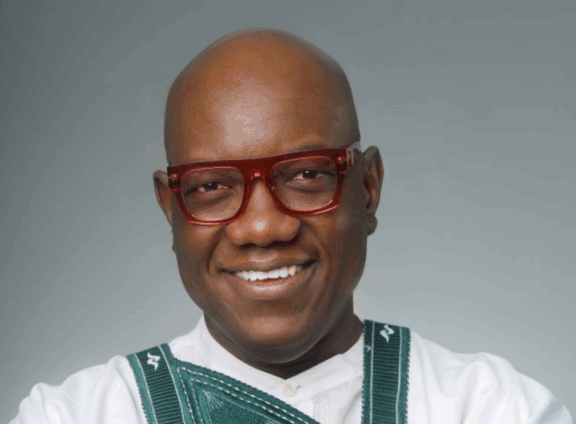
The writer is a lawyer and member of the Ghana Bar Association & American Bar Association, Economic Counsellor – Diaspora African Forum
Latest Stories
-
NPP had more permanent fuel relief measures than current GH¢2 diesel cut – Amin Adam
16 minutes -
Photos from the 3rd Republic Bank-JoyNews Habitat Fair Clinic
19 minutes -
Ethiopia’s army promises restraint amid fears of new civil war
28 minutes -
Amin Adam calls for review of fuel taxes as diesel prices remain above GH¢18
1 hour -
World Vision Ghana, Ahafo districts sign MoU for universal WASH coverage
1 hour -
When the gold engine stutters: What Ghana’s Cedi and reserves are telling us about the new economic architecture
2 hours -
Two reportedly die after being trapped in mining pit at Juaboso
2 hours -
Petrosol cleans up Wa Municipal Hospital, to donate medical equipment
2 hours -
‘If NPP was ‘insensitive’ over fuel prices, NDC must accept same description now’ — Amin Adam
2 hours -
KiDi brings the hits to London in sold-out UK headline concert
2 hours -
The last goodbye of Ghanaian shot dead in the US
3 hours -
MCC opens door to Ghana again as MiDA revives development partnership
3 hours -
CSIR moves to turn scientific research into jobs, national growth
3 hours -
More patrons troop in as 3rd Republic Bank-JoyNews Habitat Fair clinic enters final day stretch
3 hours -
German, Russian foreign ministers hold rare talks amid rising tensions
3 hours