

Audio By Carbonatix
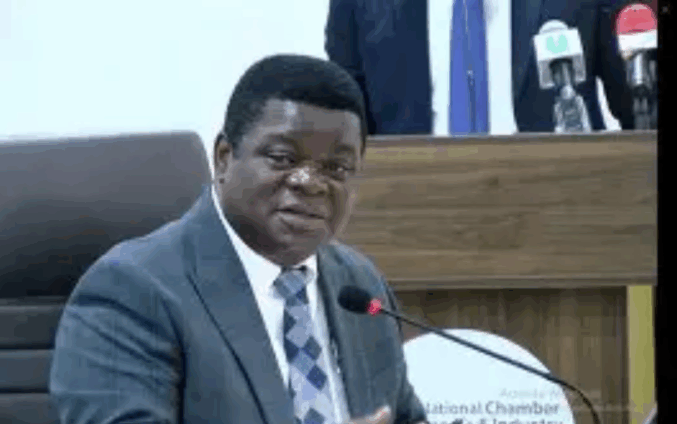
Economist and Director of the Legon Centre for International Affairs and Diplomacy, Professor Peter Quartey, has stressed the need for increased investment in agriculture as a key step to controlling inflation in Ghana.
Speaking on Joy FM’s Super Morning Show on Thursday, October 2, Prof. Quartey explained that food remains central to tackling inflation, which he described as “more money chasing fewer goods.”
“If you want to address inflation, it’s either you control the amount of money in circulation or you enhance the production of goods and services—or do both—depending on how you want to tackle it. Therefore, we have to enhance food production in the areas where we are recording very high rates of inflation,” he said.
According to him, a major obstacle is the limited investment in irrigated farming. Currently, irrigated land in Ghana accounts for less than 5 percent of total farmland—a situation he believes must change, particularly in the face of climate change.
“If we continue to rely on rain-fed agriculture, it’s not sustainable, and we will keep witnessing high rates of inflation in certain parts of the country. That, for me, is a worry because our livelihoods are threatened,” he warned.
Prof. Quartey also raised concerns about the effects of illegal mining on food production, noting that farmlands and water sources were being destroyed.
“Already, we are faced with illegal mining where agricultural lands are being converted, our water bodies are being poisoned, and therefore our food basket is threatened. If we don’t do something now, we will get to a point where we have to import our food,” he cautioned.
He further compared inflation trends in imported and locally produced food to highlight inefficiencies in Ghana’s production system.
“Imported food has an inflation rate of 8.7 percent, while locally produced food stands at 12.2 percent. It tells you there is inefficiency in our production. It shows that the cost of producing local goods is higher than importing them. No wonder we are always importing, and our exchange rate is challenged,” he added.
Latest Stories
-
EPCG Moderator urges leaders to serve with courage and humility in Easter message
30 minutes -
The Cobra at the gate: When good intentions overrun the system
36 minutes -
Easter service disrupted in Nyanyano as suspected land guards storm church event
42 minutes -
Price surge exposing NDC gov’ts dishonesty -Titus Glover
46 minutes -
Afigya Kwabre North MP urges Finance and Energy Ministers to submit energy sector report
47 minutes -
Deliver quality or face sanctions — GETFund administrator cautions contractors
1 hour -
Kwahu Easter festivities trigger condom shortages; Health teams boost awareness
2 hours -
Victims of a legend: The women Daddy Lumba left behind
2 hours -
Mahama vows to prioritise roads, social amenities in Savannah region
2 hours -
Mahama sets up 18-member panel to advance Africa-led global health reforms
2 hours -
Ghana Medical Trust Fund Administrator urges hope and compassion in Easter message
2 hours -
Traders, Freight forwarders push back against planned cargo tracking policy
2 hours -
BoG Governor highlights tough trade-offs in monetary policy decisions
2 hours -
Trade Ministry intervenes to stop sachet water price increase, talks set for Wednesday
2 hours -
Onion supply to Ghana threatened as trucks held up in transit dispute
2 hours